The pH talk

LAB NOTES & SAFETY NOTICE
For educational purposes only. Content reflects personal, non-professional formulation experiments and is not instructional.
No formula or information on this site is intended for commercial use, consumer application, or third-party use.
Accessing this content means you accept all risks and full responsibility for safety, testing, legal compliance, and outcomes.
[Full Legal Disclaimer & Safety Requirements]

The Critical Role of pH in Formulation Stability

In my formulation studies, measuring and adjusting the potential of Hydrogen (pH) is the most vital step in ensuring both the safety of the user and the chemical integrity of the ingredients. pH is a logarithmic measure of the concentration of hydrogen ions ($H^+$) in an aqueous solution, defined by the formula:

$$pH = -\log[H^+]$$

The Two Perspectives of pH Management

1. The Biological Perspective: The Acid Mantle

Human skin physiologically maintains a pH between 4.5 and 5.5. This acidic environment supports the “Acid Mantle”—a protective film composed of lipids and beneficial microorganisms (the skin microbiome).

  • The Risk of Imbalance: Using leave-on products with an alkaline pH (above 7) can disrupt this microbiome, leaving the skin vulnerable to pathogens and irritation. My records prioritize matching the product pH to the skin’s natural range whenever possible.

2. The Chemical Perspective: Ingredient Compatibility

Every cosmetic ingredient has a “Stability Window.” Stepping outside of this range doesn’t just reduce efficacy; it can lead to hazardous chemical transformations.

  • Performance Loss: High-molecular-weight Sodium Hyaluronate is sensitive to low pH environments (like those created by L-Ascorbic Acid). In acidic conditions, the polymer chains can degrade, essentially wasting the ingredient’s hydrating potential.

  • Chemical Transformation: Niacinamide requires a pH between 6.0 and 7.5. If formulated in an environment that is too acidic or too alkaline, it can hydrolyze into Nicotinic Acid. This can cause severe skin flushing and irritation.


Practical Measurement Protocols

Regardless of how many times I have executed a specific formula, my lab protocol requires a final pH verification. Changes in raw material suppliers or minor measurement variances can shift the final result.

Tools of the Trade

  • Digital pH Meters: These provide the highest precision (down to 0.01) but require regular calibration and maintenance.

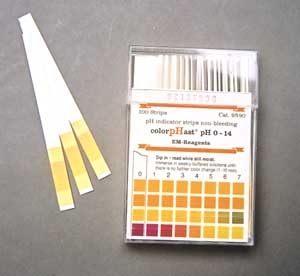
  • Universal Indicator Strips: For most studio applications, multi-pad plastic strips are preferred over simple paper rolls, as they provide a more stable and readable color comparison.

Adjusting the Batch

If the final reading falls outside the target range, I adjust the batch using standardized solutions:

  • To Lower pH: A 20% Citric Acid or Lactic Acid solution.

  • To Raise pH: A 10% – 18% Sodium Hydroxide (NaOH) solution or a Triethanolamine (TEA) solution.


Researcher Summary

Respecting the pH is not optional in cosmetic science. It is a fundamental pillar of Good Manufacturing Practices (GMP). Before utilizing any new active ingredient, I cross-reference its preferred pH range against all other components in the formula to ensure total compatibility.

strips

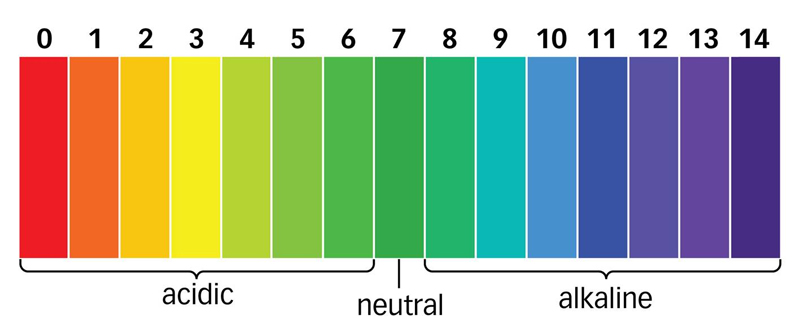
pH Scale

(Source: here)

phstrips

(Source: here)

No-Drandruff Shampoo

LAB NOTES & SAFETY NOTICE
For educational purposes only. Content reflects personal, non-professional formulation experiments and is not instructional.
No formula or information on this site is intended for commercial use, consumer application, or third-party use.
Accessing this content means you accept all risks and full responsibility for safety, testing, legal compliance, and outcomes.
[Full Legal Disclaimer & Safety Requirements]

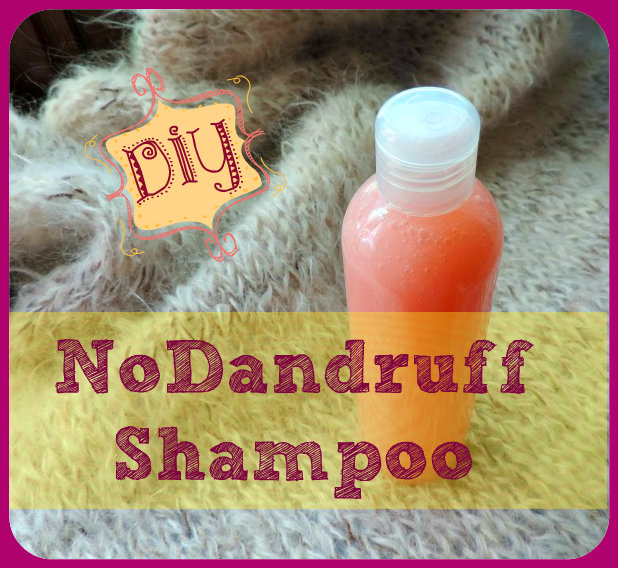
No-dandruff Shampoo 8

Lab Note: My “No Dandruff” Scalp-Calming Shampoo

Hello Hello! 😀 Today I am tackling something that is usually so annoying to deal with: dandruff! I got tired of the shampoos from the supermarket because they are so aggressive—they might kill the fungus, but they leave the scalp red and the hair feeling like straw. No thanks! 😛

I wanted to make a “Smart Shampoo.” Something that uses a real antifungal active but surrounds it with ingredients that actually soothe the skin and protect the hair.

The “Clear Scalp” Strategy:

The hero of my formula is Piroctone Olamine. Unlike the “Zinc” stuff you find in cheap shampoos, Piroctone Olamine is much more elegant—it’s very effective against the Malassezia fungus but it’s gentle. I also added Salicylic Acid to help “sweep away” the dead skin cells so the scalp can breathe again!

The Formula for my Experiment:

Phase A:

  • Water to 100

  • Glycerin 2

  • Polyquaternium-10 – 0.3 (This is a “conditioning” polymer—it helps the hair stay smooth even in a treatment shampoo!)

Phase B (The Cleansing Base):

  • Sodium Lauroyl Sarcosinate – 15 (My favorite “soft” surfactant!)

  • Cocamidopropyl Betaine – 10

  • Coco-Glucoside – 5

  • Piroctone Olamine – 0.5 (The antifungal powerhouse!)

Phase C (The Calming Touch):

  • Salicylic Acid – 0.5 (I pre-dissolved this in the surfactants to make sure it didn’t stay “gritty”!)

  • Panthenol – 1 (To soothe the itchy scalp)

  • Preservative (According to my lab’s type)

  • Fragrance (I used Tea Tree and Lavender—Tea Tree helps the “No Dandruff” mission, and Lavender makes it smell like a spa! :D)

  • Lactic Acid (To reach pH 5.5)


Notes from my Beaker:

  1. The Dissolving Trick: Piroctone Olamine and Salicylic Acid can be a bit stubborn. I found that if I mix them into the surfactant blend (Phase B) before adding the water, they dissolve much more easily. No one wants “grains” in their shampoo!

  2. The pH is Critical: For Piroctone Olamine to be happy and stable, the pH needs to be around 5.5. If you go too low or too high, it might not work as well.

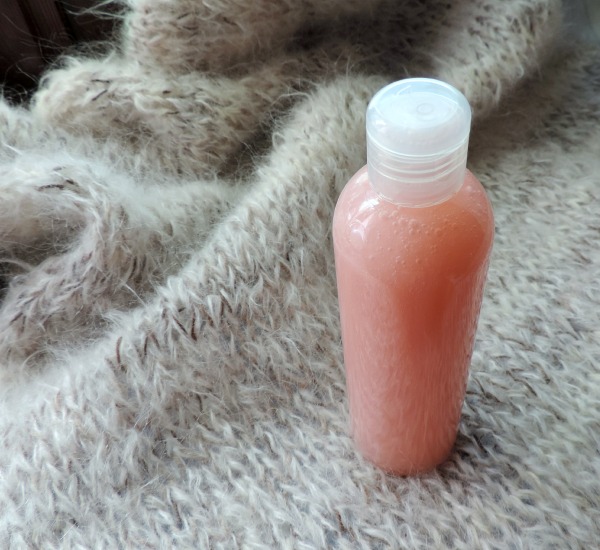
  3. The Color: I left this one clear because I love how clean it looks. Without all the “fake blue” dyes of commercial shampoos, it looks so much more professional.

  4. How I used it: Since this has an active medicine in it, I don’t just rinse it off immediately. I leave it on my scalp for about 3 minutes while I sing a song, then rinse! yeheee! 😀

Final Verdict: I don’t suffer of dandruff much but of itchiness sometimes I do, and this helped a lot 🙂

No-dandruff Shampoo 6

Caffeine & Escin Eye Cream DIY

LAB NOTES & SAFETY NOTICE
For educational purposes only. Content reflects personal, non-professional formulation experiments and is not instructional.
No formula or information on this site is intended for commercial use, consumer application, or third-party use.
Accessing this content means you accept all risks and full responsibility for safety, testing, legal compliance, and outcomes.
[Full Legal Disclaimer & Safety Requirements]

Escin and Caffeine Eye Cream

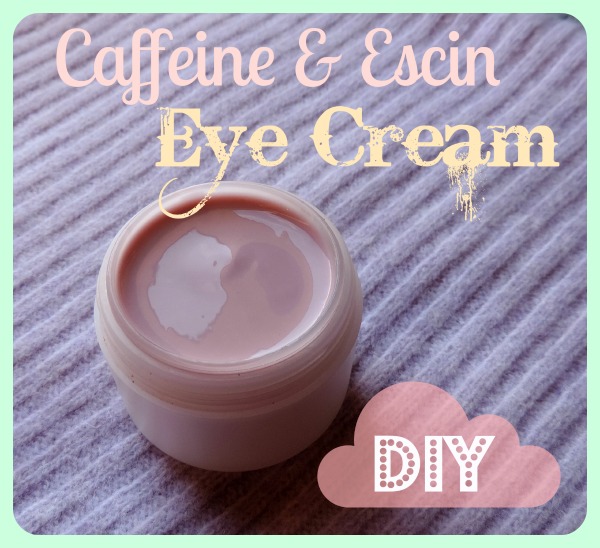
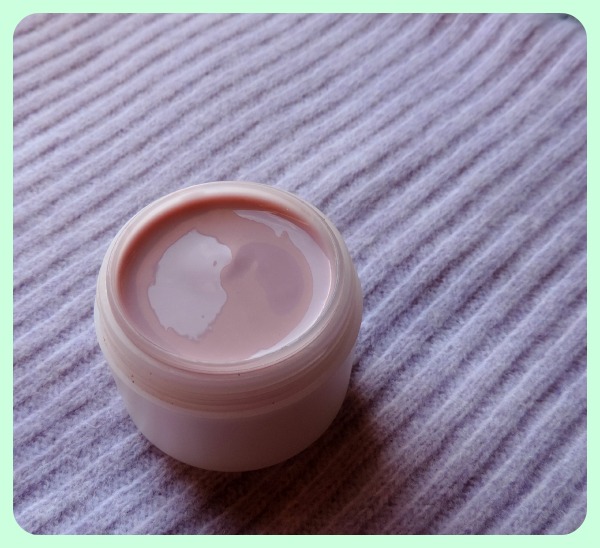
Lab Note: My “Dusty” Escin Eye Cream Experiment

Hello Hello! 😀 Today I’m looking back at a formula that required a very steady hand and a bit of patience. I wanted to create a treatment specifically for the delicate eye area, focusing on puffiness and those tired mornings. yeheee!

The star of this experiment was Escin (the active from Horse Chestnut). If you’ve worked with it, you know it’s a very fine, “dusty” powder that can be a bit of a diva to incorporate. But it’s so worth it for its ability to support microcirculation! I also included Caffeine to give the skin a little “wake-up call.”

The Formula I Used:

Phase A:

  • Distilled Water: to 100

  • Glycerin: 2.0

  • Caffeine: 0.5 (I dissolved this in the hot water phase)

  • Xanthan Gum: 0.2

Phase B (The Light Lipid Phase):

  • Methyl Glucose Sesquistearate: 3.0 (My reliable emulsifier)

  • Cetyl Alcohol: 1.0 (Just a little for stability)

  • Argan Oil: 3.0 (Rich in Vitamin E but not too heavy)

  • Rice Bran Oil: 2.0

  • Shea Butter: 0.5 (Just a tiny touch for creaminess)

Phase C (The Active Cold Phase):

  • Escin: 1.0 (The “dusty” hero!)

  • Cornflower Water (Hydrolat): 10.0 (Soothing for the eyes)

  • D-Panthenol: 1.0

  • Tocopherol (Vitamin E): 0.5

  • Preservative: (According to my usual lab choice)


Notes from my Beaker:

  1. The Caffeine Trick: I made sure to add the Caffeine to Phase A while the water was hot. It dissolves much better that way, so you don’t end up with any “crunchy” bits in your eye cream!

  2. Handling the Escin: This was the trickiest part. Escin is very light and dusty. I found that pre-mixing it with the Cornflower Water in Phase C to create a smooth slurry made it much easier to fold into the emulsion without it flying everywhere!

  3. The Texture: Because it’s for the eyes, I wanted it to be light. The combination of Argan and Rice Bran oil makes it sink in quickly so it doesn’t mess up my concealer later.

  4. pH is Critical: For the eye area, I was extremely careful to check the pH. I kept it right at 6.0 to 6.5. Our eyes are much more sensitive to acidity than the rest of our face, so “neutral” is the way to go here.

Final Verdict: I’ve been using this in the mornings, and I really notice a difference in how “awake” my eyes look. The Escin and Caffeine duo is like a double espresso for the face! It’s a bit of a “picky” formula to make, but the results are so elegant. ENJOY! 😀

Escin and Caffeine Eye Cream14

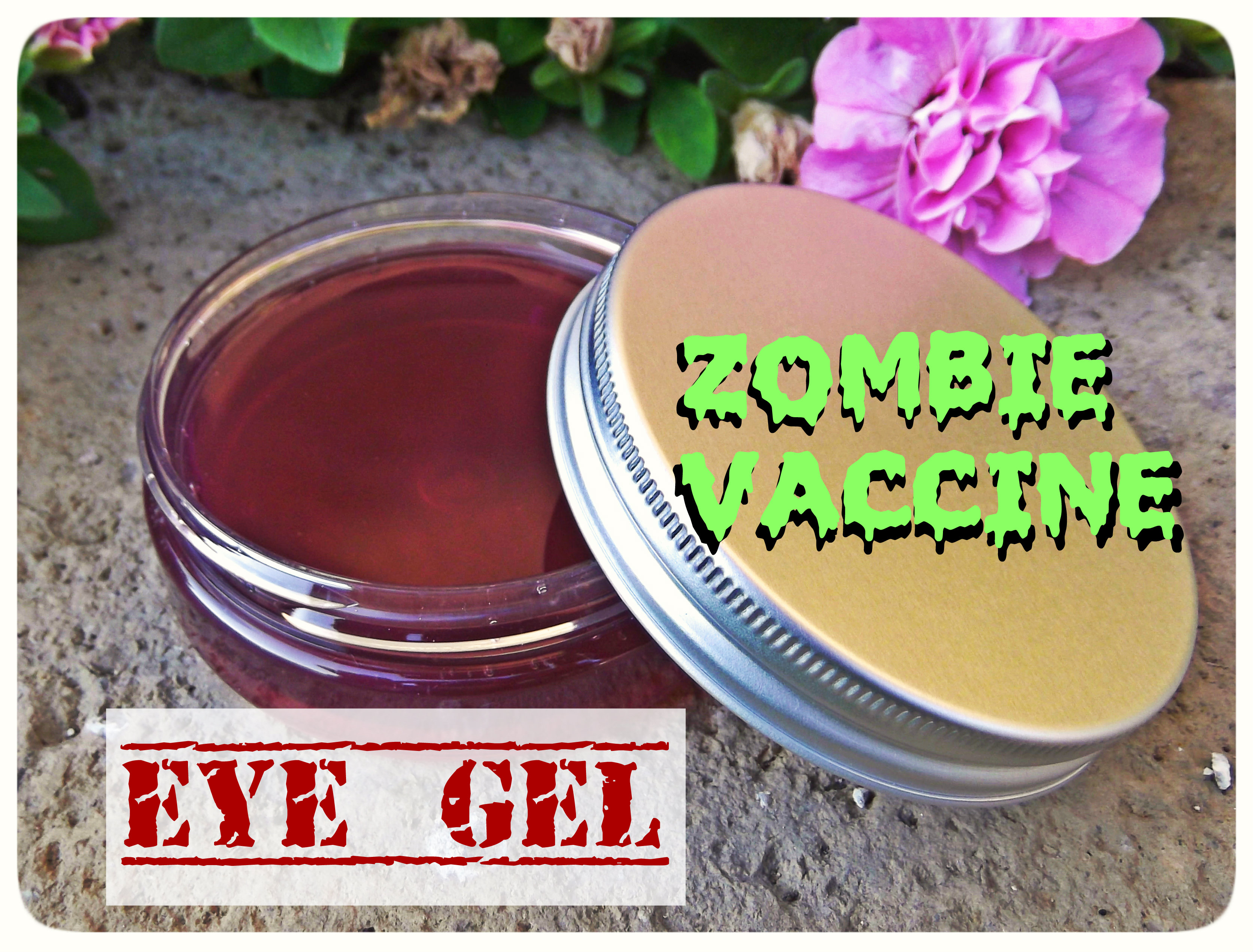
Zombie Vaccine – Lifting Eye Gel ;)

LAB NOTES & SAFETY NOTICE
These are personal experiments for educational use only— not instructions and not for commercial or consumer use. By proceeding, you assume all risks related to safety, testing, and regulatory compliance.
[Full Legal Disclaimer & Safety Requirements]

ZOMBIE VACCINE 2

ZOMBIE VACCINE 3

Lab Note: The “Zombie Vaccine” Eye Serum-Gel

Hello Hello! 😀 Who doesn’t look like a zombie in the morning? (Okay, maybe you don’t… but I definitely do!). I saw the name “Zombie Vaccine” on a coffee cup once and I knew I had to steal it for this lifting eye serum.

I’m calling this a serum because it’s made of 100% active ingredients! There are no fillers here—just pure hydration and “wake-up” magic for that delicate eye area. yeheee!

The Active Duo:

  • Caffeine: The ultimate “double espresso” for your face. It helps stimulate microcirculation to fight puffiness and those dark zombie circles.
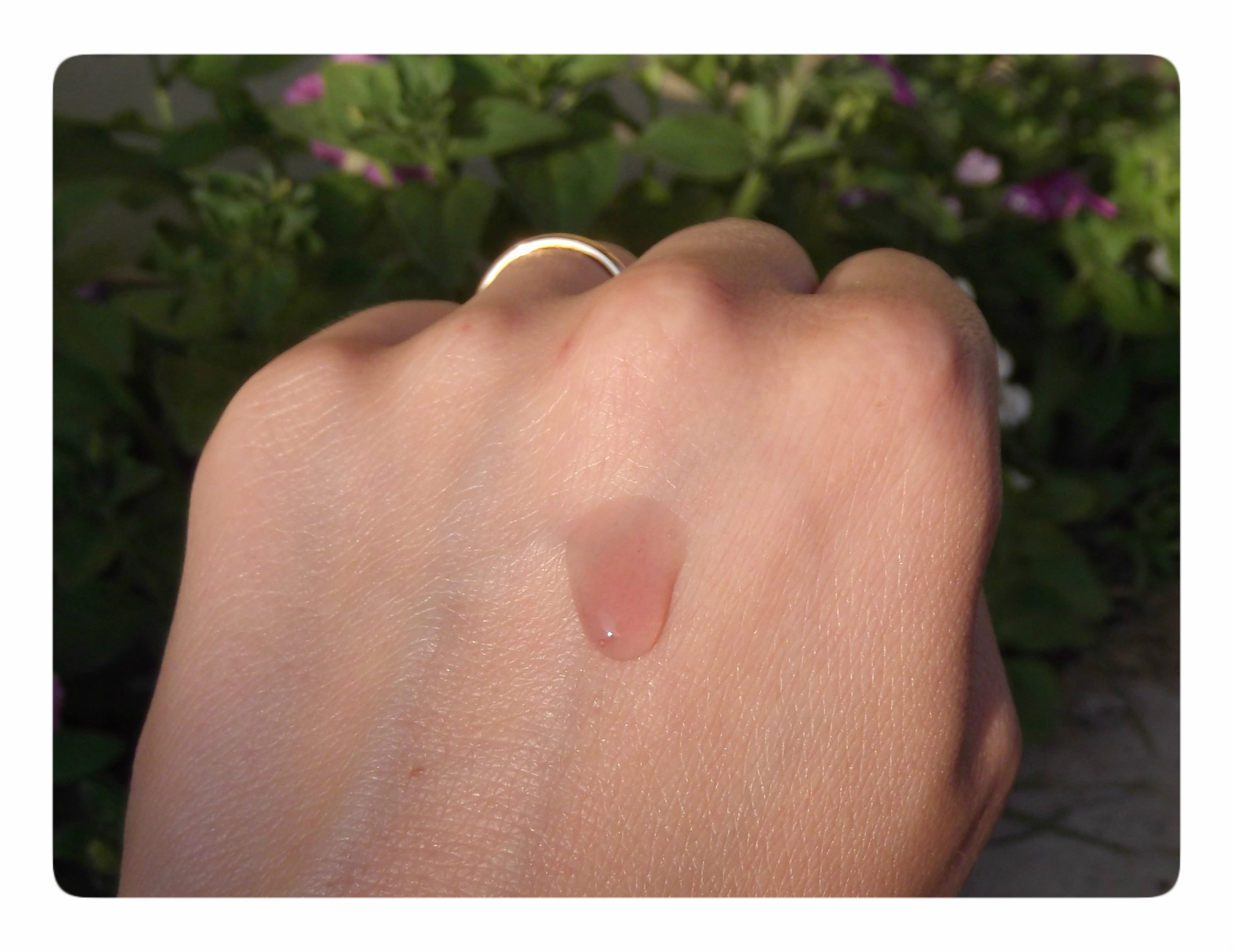
  • Sodium Hyaluronate: This is the salt form of Hyaluronic Acid. Just 1 gram is enough to turn this liquid into a beautiful, thick gel. It gives a slight “lifting” effect as it dries, while pulling hydration deep into the skin.

The Formula: Zombie Vaccine

  • Water: to 100
  • Rose Water: 30.0 (Soothing and smells like a dream)
  • Glycerin: 3.0
  • Sodium Hyaluronate: 1.0 (The gelling agent)
  • Blueberry Powder Extract: 0.3 (Antioxidant power!)
  • Caffeine: 2.0 (The anti-puffiness hero)
  • Preservative (Cosgard): 1.0

Notes from my Beaker:

  1. The Caffeine Challenge: Caffeine can be a bit of a diva. I mixed the water, rose water, glycerin, and caffeine together and heated it very slowly, stirring constantly. You have to make sure it’s fully dissolved—and then I prayed it wouldn’t crystallize into needles as it cooled down! 😀 (Luckily, it stayed smooth).
  2. The “No-Stir” Gelling: Once the liquid was completely cool, I added the preservative and the blueberry extract. Then came the Sodium Hyaluronate. I just poured it on top and did not stir.
  3. The Waiting Game: I covered the beaker with plastic wrap and walked away. I gave it a tiny mix after a few hours, but mostly I just let it sit. It takes about a day and a half for the Hyaluronate to fully hydrate into a clear, thick gel.
  4. pH Check: I checked the pH and it was a neutral 7.0. Since it’s for the eyes, I left it right there!

Final Verdict: This serum is so refreshing in the morning! It’s light, it’s cold, and it really helps “tighten” things up so I look a bit more human and a bit less zombie. ENJOY! 😀 😀 😀

How to formulate a Face Wash – with Recipe

LAB NOTES & SAFETY NOTICE
These are personal experiments for educational use only— not instructions and not for commercial or consumer use. By proceeding, you assume all risks related to safety, testing, and regulatory compliance.
[Full Legal Disclaimer & Safety Requirements]

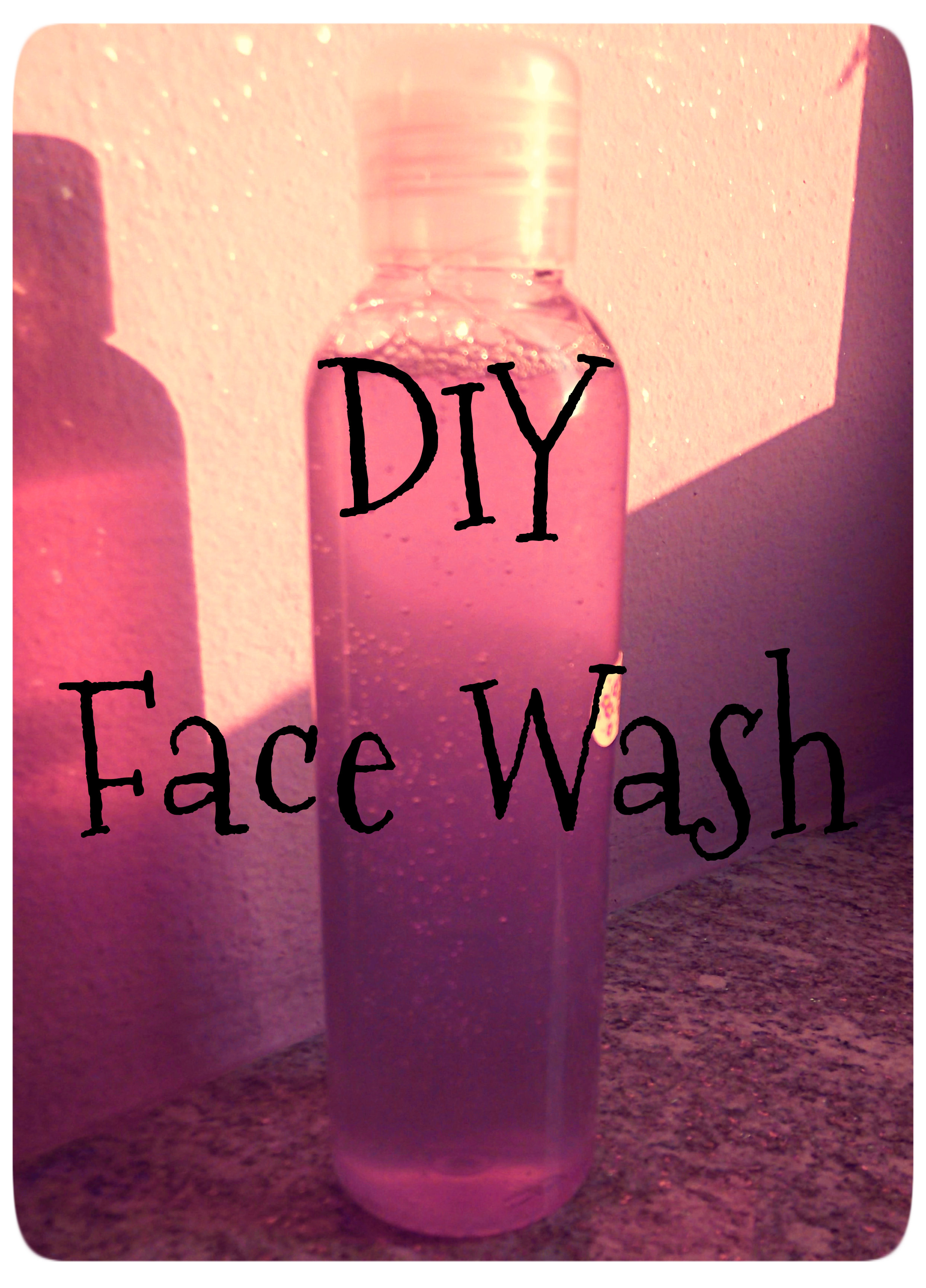
DIY Face Wash - Recipe

Today I experimented on an “extra-mild” facial cleanser. My goal here was to build a balanced Surfactant Trio (Anionic, Amphoteric, and Non-Ionic) but keep the concentration low enough to respect a compromised skin barrier—especially for my skin, which tends to get acne when it’s irritated.

The ASM Calculation & My Surfactant Logic

To make sure this was as gentle as possible, I targeted a total ASM of 6.5%. Most store-bought face washes are 10–15%, so I knew this would be much softer.

  • Sodium Lauroyl Sarcosinate (Anionic): My primary choice for a creamy lather. It’s so much milder than SLES or SLS.

  • Cocamidopropyl Betaine (Amphoteric): I included this to “buffer” the Sarcosinate. It helps stop the cleanser from being too aggressive on the skin.

  • Lauryl Glucoside (Non-Ionic): This completes the trio. It’s great for removing oily residues without causing irritation.

The Math (Validated against my 6.5% ASM target):

  • Sarcosinate 10g: 10 * 0.29 = 2.9g

  • Betaine 6g: 6 * 0.32 = 1.92g

  • Lauryl Glucoside 3g: 3 * 0.52 = 1.56g

  • Total ASM: 6.38% (Perfect!)


My Formula: Mild Face Wash

Phase Component % / grams Function
A Distilled Water to 100 Solvent
A Glycerin 3.0 Humectant
A Xanthan Gum 0.5 Thickener / Suspension
B Sodium Lauroyl Sarcosinate 10.0 Primary Mild Anionic
B Lauryl Glucoside 3.0 Non-Ionic Detergent
B Lavender & Sage EOs 4 drops Soothing / Antimicrobial
C Cocamidopropyl Betaine 6.0 Amphoteric Buffer
C Preservative & Lactic Acid q.s. Safety / pH Calibration

What I Noticed During the Process

  • Gelling the Water: Sarcosinate is notoriously hard to thicken! I used 0.5% Xanthan Gum to give it enough “body” so it wouldn’t just run off my hands.

  • The “Heat” Trick: My Lauryl Glucoside was a thick paste. I had to give it a quick warm-up in a water bath to liquefy it before mixing, otherwise, I would have ended up with “fish-eyes” (lumps) in my gel.

  • The “Slow-Mix” Rule: Sips water. I stayed away from the high-speed mixers. I just used a manual stirring motion because I didn’t want to turn my beaker into a bubble bath before I even finished!

  • The pH Moment: This is the most sensitive part. I used Lactic Acid to bring the pH down to 5.0.

    • My Observation: At pH 5.5, the Sarcosinate reaches its best density. But I have to be careful—if the pH drops much lower than that, the whole structure can fail and turn back into a liquid mess, plus the betaine should never go below that pH!

Final Thoughts

For me, this face wash is the definition of “Less is More.” By getting rid of harsh alcohols and scrubs and using this low-ASM blend instead, I finally gave my skin some space to breathe.

Personal Observation: This formula was a real turning point for my skin. It really confirms my theory: cleaning the skin shouldn’t mean stripping the skin.

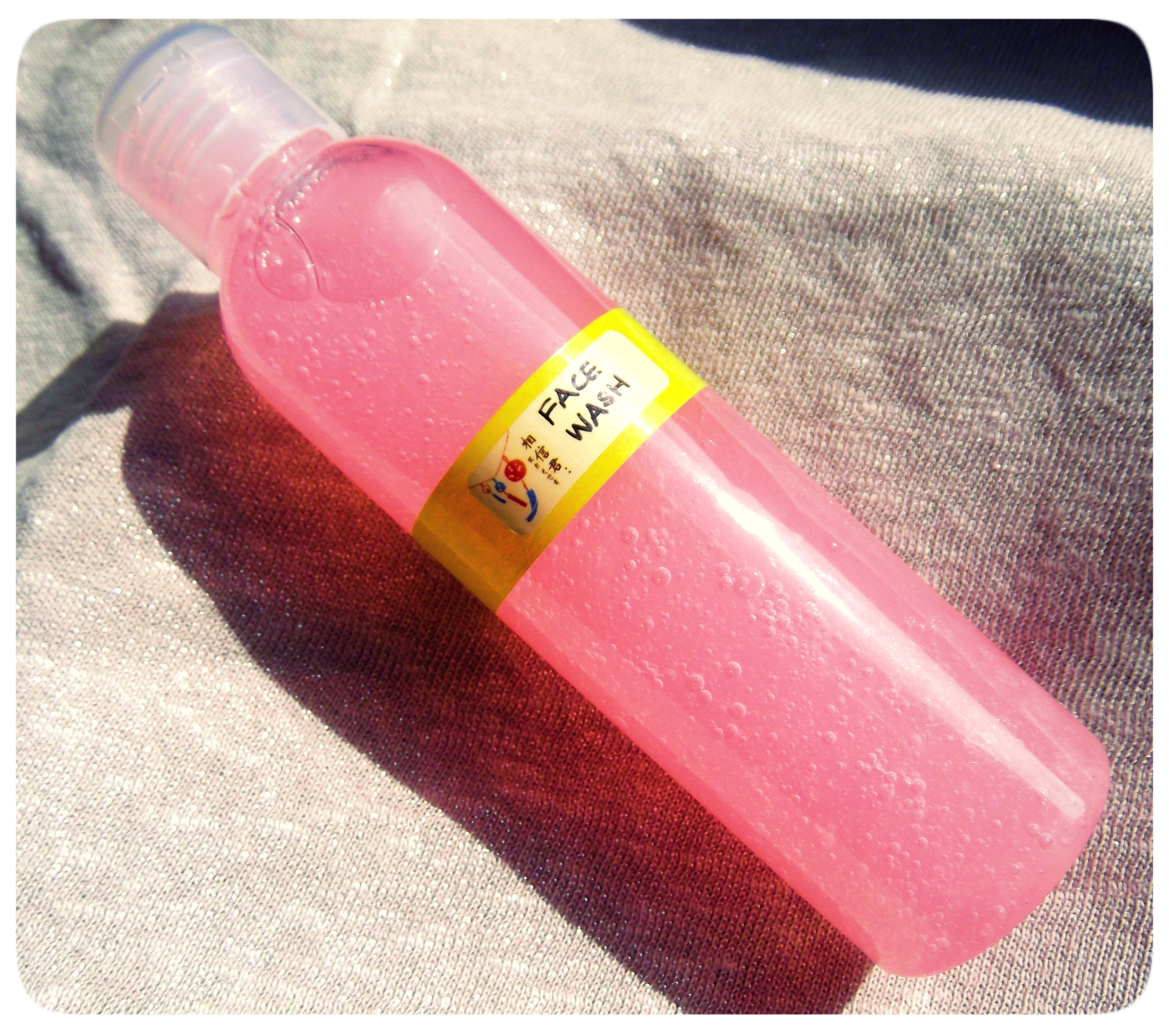
DIY face wash

Buying online COSMETIC INGREDIENTS

Buying Cosmetic Ingredients Online

LAB NOTES & SAFETY NOTICE
These are personal experiments for educational use only— not instructions and not for commercial or consumer use. By proceeding, you assume all risks related to safety, testing, and regulatory compliance.
[Full Legal Disclaimer & Safety Requirements]

Maybe you’ve been reading my posts thinking “yeah right… and where on earth am I gonna find these ingredients?!”
Well I guess it is time for me to show you a few online shops of raw material of cosmetic grade!
This is obviously very important because if you use a fragrance oil which is not of aimed in cosmetic use… well, don’t be surprised if you get a strong allergic reaction or even something worse… same goes if you use urea which you find in gardening shops: that won’t do! 😀

This said, of course in the online shops which sell raw materials for cosmetic use… all the ingredients are of cosmetic grade… but here a few tips in case the online shop you found is not in my list:
– maybe before you purchase, read around the internet if there are experiences of other people
– for each ingredient they sell, they are supposed to own a MSDS which is the Material Safety Data Sheet. The MSDS should be available for each ingredient on their website or they should send it to you after purchase: if it is not available on their website, before you place an order contact them and be sure they are going to send you one. This is important.
– Before purchasing try asking some information about one of the ingredients they sell: for example at what percentage it should be used, if it shouldn’t be used with certain ingredients and so on. Usually they have this information on the ingredient page but sometimes they don’t. A serious supplier will be able to give you some information, however, don’t expect too much: don’t expect suppliers to be formulators.
– If it is the first time you want to buy raw material… DON’T BUY EVERYTHING you find! Make a small list of ingredients that will be really useful (an emulsifier, a thickening agent, a gelling agent). Start planning to make simple creams, pick few active ingredients (maximum 3!), really: keep it simple! 😀
– do NOT go for the “nice name” ingredient: for example, if an ingredient name is “NO MORE WRINKLES concentrated active ingredient” 99% of the time it is a big NO NO NO 😀 If you click on it and look for the INCI name, probably it comes out that this “concentrate active ingredient” is actually made of “water, lecithin (emulsifier), some kind of oil, the great ingredient” and you can be sure that your great ingredient will be at minimum %.

Ok… after having warned you… 😀
Let me put some links! 😀
NOTE: I am not publicizing any website, I am just posting some websites I know of… that might help you in starting your serious COSMETIC DIY! 😀
I have bought only from some of these websites and obviously I am not responsible if something on your order goes wrong.

Here we go:

Asia:
http://www.bulkactives.com – good website! It has some ingredients which are very difficult to find somewhere else. Prices are a little bit higher than in other places.
http://stores.skinessentialactives.com/

North America: 
http://www.makingcosmetics.com – many ingredients and also sells in bulk!
http://www.ingredientstodiefor.com
http://www.lotioncrafter.com/

Europe:
http://www.gracefruit.com – UK – Has many many ingredients for soap-making and also some ingredients. Long list also of fragrance oils. Prices are quite high compared to other websites but some fragrances are difficult to find somewhere else.
http://www.activeformulas.com – UK – website mostly about active ingredients. It has a vast choice.
http://www.aromantic.co.uk/home/products/active -ingredients.aspxUK 
http://www.thesoapkitchen.co.uk/ 
http://www.phoenixproducts.co.uk/
http://www.sensoryperfection.co.uk/
– if you click HERE you will find my review of some of their fragrance oils 

http://www.zrobsobiekrem.pl/pl/i/Information-for-foreigners/129 – PL – This website is from Poland and you can use Google Translate to translate everything written on the page. It sells cheap plant extracts and also some emulsifiers and active ingredients!

http://www.glamourcosmetics.it/ – IT – Probably my favourite Italian website that sells ingredients. Very serious, ship extremely fast, have good variety of ingredients – if you click HERE you will find my review of some of their fragrance oils.
http://www.dermolife.it/shop/index.php – IT – Italian website with good prices about tensioactives. Many active ingredients (vitamins, minerals, aminoacids) also.
http://www.farmaciavernile.it/ – IT – good ingredients (also some special ones which I couldn’t find on other websites).

http://www.dragonspice.de – DE – website from Germany.
http://www.manske-shop.com – DE – website from Germany. It has mostly ingredients about making soaps, therefore a lot of butters and oils, many fragrance oils, essential oils and only few cosmetic ingredients (but basic emulsifiers and active ingredients are there) – if you click HERE you will find a review on some of their fragrance oils.
http://www.alexmo-cosmetics.de/
http://www.aliacura.de/

http://www.aroma-zone.com – FR – French website. Many kinds of oils and butters (very exotic), emulsifiers, essential oils and some active ingredients (but read the INCI of each, before purchasing).

http://www.jabonariumshop.com – SP – website from Spain mainly about soap-making. Good prices.

http://kosmetikmacherei.at – AU

http://www.candlemaking.gr/ – GR

Australia:
http://stores.skinessentialactives.com/
https://www.escentialsofaustralia.com/
http://www.n-essentials.com.au/
http://www.aussiesoapsupplies.com.au/
http://www.heirloombodycare.com.au/

Please let me know if you know any good shop from your own country.
Notice also that if you make an order from a website which is not in your country, you might have to pay custom duties… so get informed about it before you make your order! 🙂