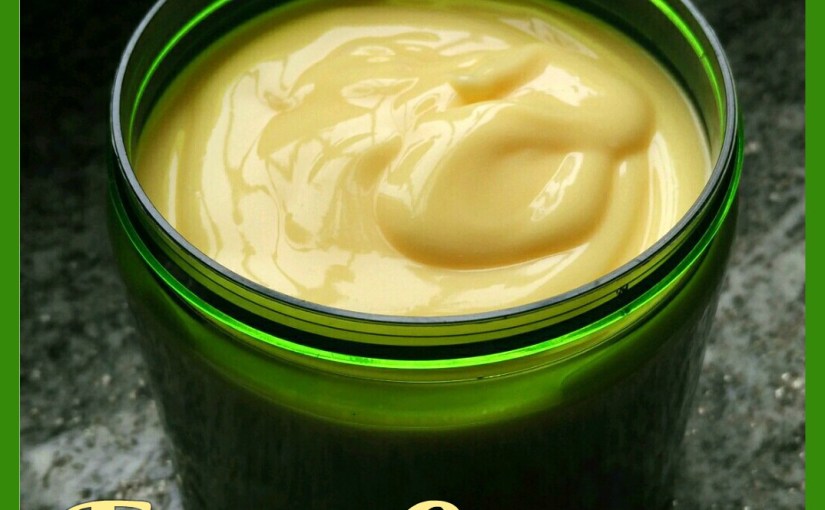
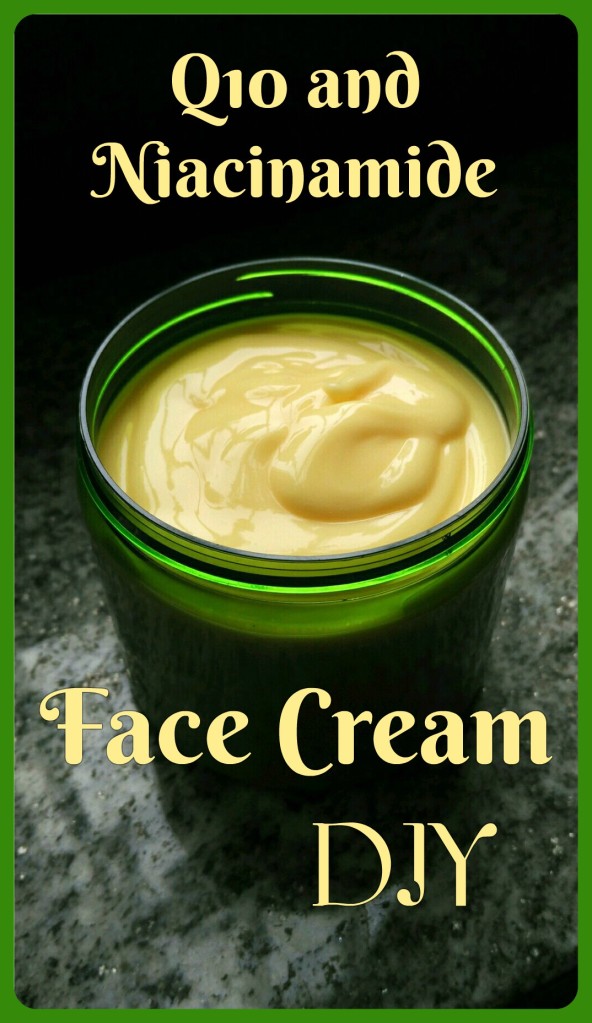
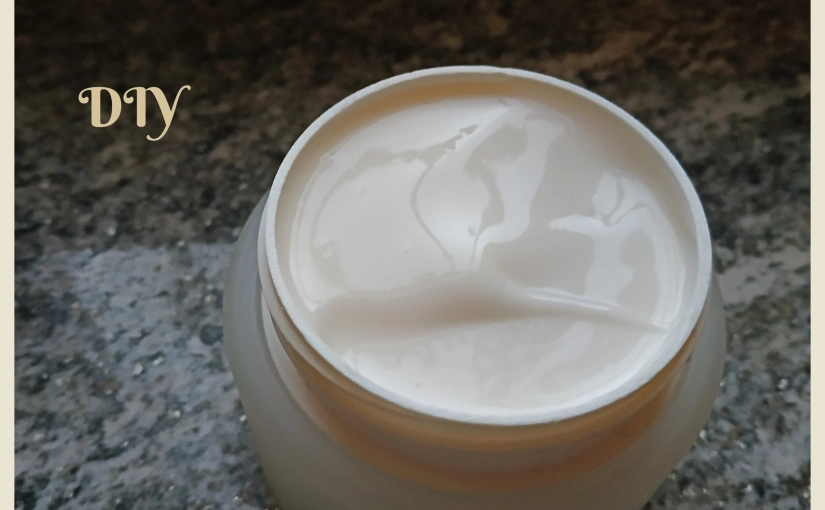
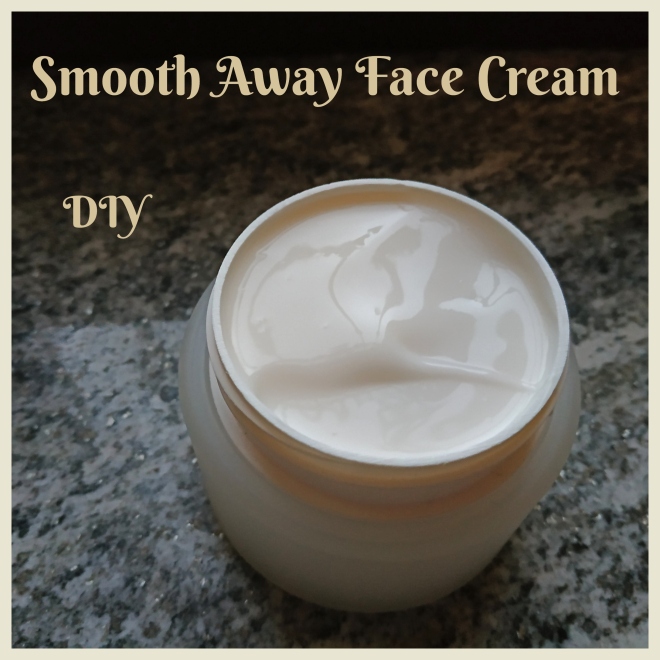
Smooth Away Face Cream

LAB NOTES & SAFETY NOTICE
For educational purposes only. Content reflects personal, non-professional formulation experiments and is not instructional.
No formula or information on this site is intended for commercial use, consumer application, or third-party use.
Accessing this content means you accept all risks and full responsibility for safety, testing, legal compliance, and outcomes.
[Full Legal Disclaimer & Safety Requirements]
Hello everyone!

IMG_20181029_082916 (1)

Continue reading Smooth Away Face Cream

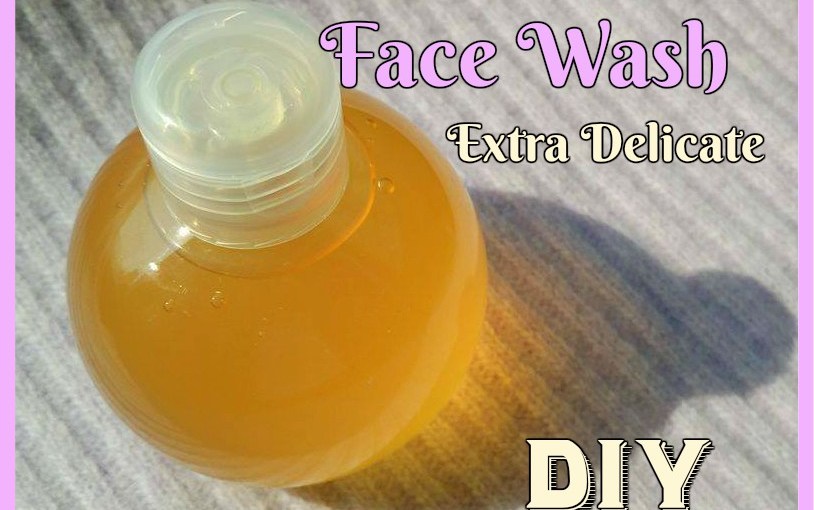
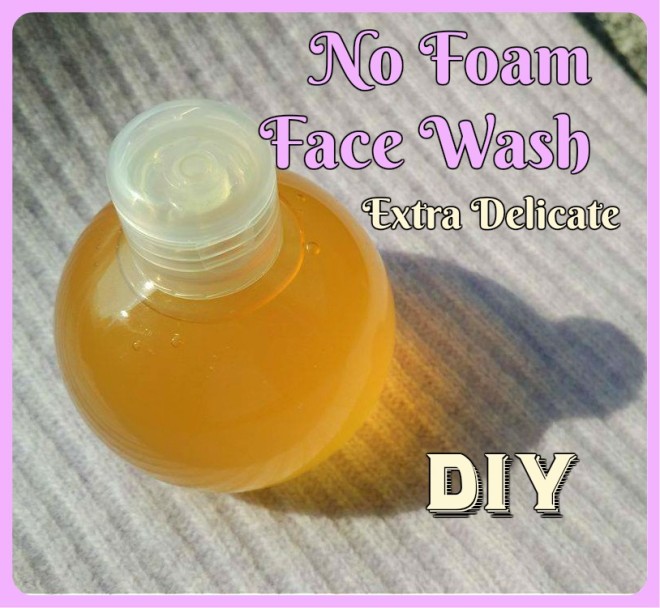
No Foam Face Wash

LAB NOTES & SAFETY NOTICE
For educational purposes only. Content reflects personal, non-professional formulation experiments and is not instructional.
No formula or information on this site is intended for commercial use, consumer application, or third-party use.
Accessing this content means you accept all risks and full responsibility for safety, testing, legal compliance, and outcomes.
[Full Legal Disclaimer & Safety Requirements]

17693126_10154162682641741_1323540383_o

Lab Note: My “No-Foam” Gentle Face Wash

Hello Hello! :D This recipe is very special to me. For two years, I struggled with a constant, annoying form of acne. I was doing everything “right” according to the commercials—scrubbing like crazy, using alcoholic toners, and applying aggressive creams. Nothing worked!

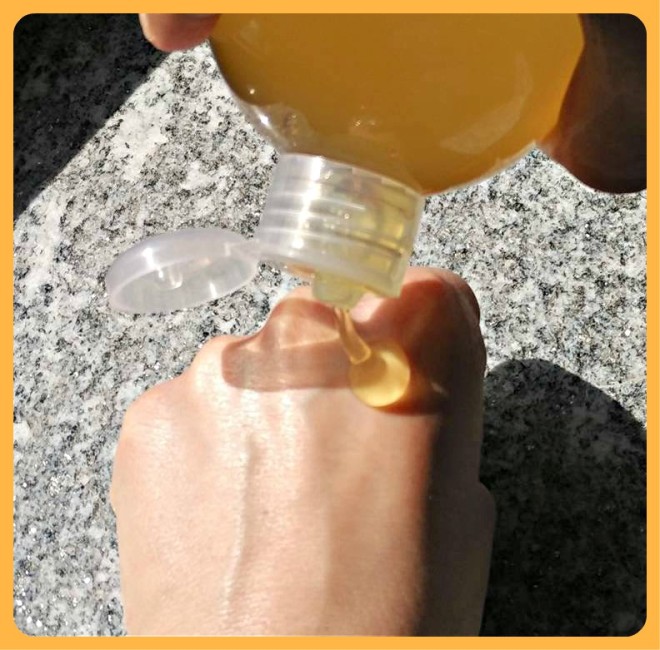
Then, I finally decided to give my skin a break. I stopped the aggression and started treating my skin with respect. This face wash was a huge part of that. It doesn’t make a big foam, and it doesn’t leave your skin feeling “squeaky” (which usually just means “stripped!“), but it cleans perfectly.

The “Why” behind the formula:

I wanted a very delicate ASM of only 6.5%. Most shampoos are 15%, so you can see how much gentler this is! I also used a “Trio” of surfactants to keep it balanced:

  • Sodium Lauroyl Sarcosinate: My primary surfactant. It’s so much softer than SLES!

  • Cocamidopropyl Betaine: Added specifically to make the first one even milder.

  • Lauryl Glucoside: A non-ionic touch to keep everything stable.

The Formula:

Phase A:

  • Water to 100

  • Glycerin 3

  • Xanthan Gum 0.5 (I add this because Sarcosinate loves to become as liquid as water! This gives it a little “body” so it doesn’t slip through your fingers.)

  • Preservative (Water-soluble!)

Phase B:

  • Sodium Lauroyl Sarcosinate – 10

  • Lauryl Glucoside – 2 (It’s a dense paste, so microwave it for a few seconds first! :D)

  • Lavender EO – 2 drops

  • Sage EO – 2 drops (I love these for acne-prone skin because they are so soothing.)

Phase C:

  • Cocamidopropyl Betaine – 6

  • Lactic Acid (To reach pH 5—this is the secret to making it dense!)


Notes from the Beaker:

  1. Mixing with Love: I mixed everything very slowly with a spoon. If you mix too fast, you get a beaker full of bubbles and you’ll have to wait ages for them to go away!

  2. The pH Secret: This is the most important part! You must lower the pH to 5 using Lactic or Citric acid. One drop at a time! When you hit pH 5, the Sarcosinate suddenly becomes dense and “creamy.” If you go lower than 5, it might go liquid again, so be careful! 😉

  3. The Order: I add the Betaine (Phase C) at the very end. Sometimes adding it too early makes the whole thing “melt” into a liquid mess.

  4. A Touch of Color: I added one tiny drop of blue food coloring just to make it look pretty and fun in my bathroom.

Final Verdict: This face wash doesn’t “shout,” but it works. It leaves my skin calm, hydrated, and happy. If you are tired of aggressive products, give this a try! ENJOY! 🙂

17761561_10154162625556741_1284166204_o


Emulium Mellifera

LAB NOTES & SAFETY NOTICE
For educational purposes only. Content reflects personal, non-professional formulation experiments and is not instructional.
No formula or information on this site is intended for commercial use, consumer application, or third-party use.
Accessing this content means you accept all risks and full responsibility for safety, testing, legal compliance, and outcomes.
[Full Legal Disclaimer & Safety Requirements]


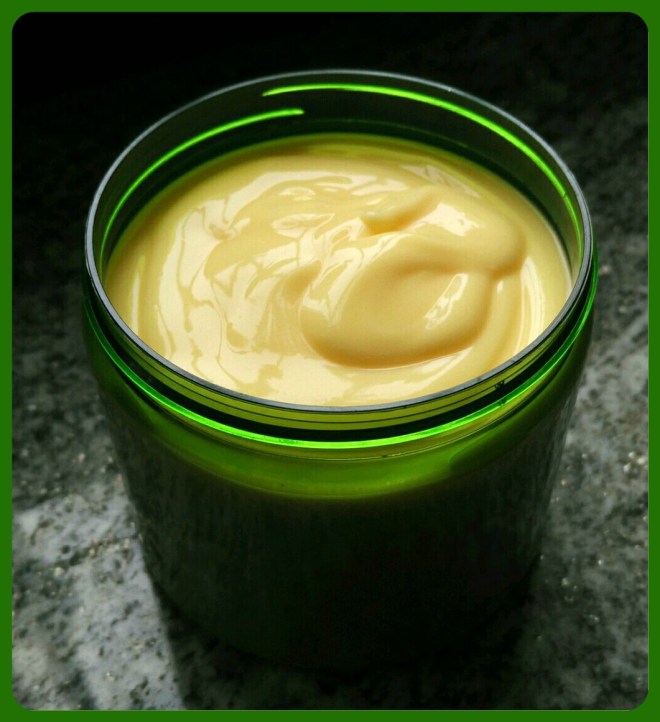
Q10EmuliumMelliferaCream

Lab Note: My “Intelligent” Face Cream (Emulium Mellifera)

Hello Hello! 😀 Today I’m playing with a very special emulsifier called Emulium Mellifera. I am obsessed with this because they call it an “intelligent” emulsifier. Why? Because it’s made from beeswax and jojoba wax and it actually senses the environment!

If you are in a hot, humid place, it creates a thin, breathable film so you don’t feel “sweaty.” But if you are in the cold, it changes to protect your skin from the wind. How cool is that? yeheee! 😀

The Formula:

Phase A:

  • Water to 100

  • Glycerin 3

  • Xanthan Gum 0.2 (Just to keep the water phase stable)

Phase B:

  • Emulium Mellifera – 4 (This is our “smart” star! It makes the most beautiful, shiny white emulsion.)

  • Rice Bran Oil – 5 (I love this because it’s so light and full of gamma-oryzanol for the skin.)

  • Argan Oil – 3

  • Caprylic/Capric Triglycerides – 2 (To make it absorb fast)

  • Cetyl Alcohol – 0.5 (Just a tiny bit to give it more “body” without making it heavy)

Phase C (The Actives):

  • Sodium Hyaluronate (1% solution) – 3 (For that big drink of water for the skin!)

  • Hibiscus Extract – 2 (It’s like “nature’s botox”—I love the smoothing effect!)

  • Tocopherol – 1 (Vitamin E)

  • Preservative (Whatever you have in your lab)

  • Fragrance (Something fresh and clean!)


Notes from the Beaker:

  1. The Shiny Look: One thing I noticed with Mellifera is that the cream looks incredibly glossy. It’s not dull like some other natural emulsifiers. It looks very “luxury.”

  2. Heating: I heated Phase A and Phase B to 70°C. Make sure the Mellifera is completely melted into the oils before you combine them!

  3. The Cooling Phase: This emulsifier creates “lamellar structures” (basically layers of hydration). To get them to form perfectly, you need to stir consistently while it cools down. Don’t just leave it on the counter! 😉

  4. No “Soaping”: Unlike Olivem 1000, I found that this one doesn’t leave those annoying white streaks when you rub it in. It just disappears into the skin.

Final Verdict: This was the perfect cream for my travels or with a skin confused by the changing seasons. It’s light, it’s smart, and it makes my skin feel very pampered. ENJOY! 😀

Q10EmuliumMelliferaCream1


DIY Cucumber Wasabi Deodorant

LAB NOTES & SAFETY NOTICE
For educational purposes only. Content reflects personal, non-professional formulation experiments and is not instructional.
No formula or information on this site is intended for commercial use, consumer application, or third-party use.
Accessing this content means you accept all risks and full responsibility for safety, testing, legal compliance, and outcomes.
[Full Legal Disclaimer & Safety Requirements]

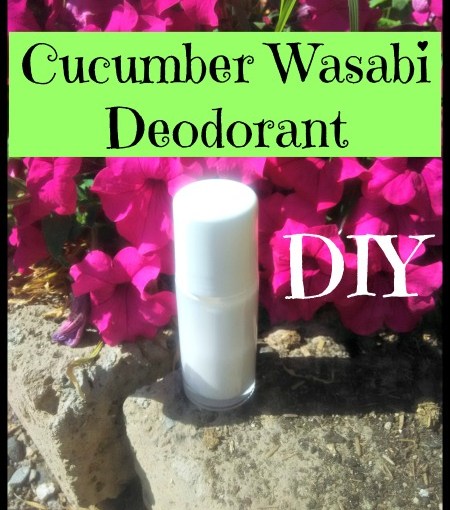
Cucumber Wasabi Deodorant 2

Hello Hello! 😀 Today I am experimenting making something a bit… unusual. Yes, I am putting Wasabi in a deodorant!

The Secret Science:

I used Wasabi Extract (Wasabia Japonica) because it should be naturally antimicrobial, but I also added Triethyl Citrate. Here’s the trick: Bacteria under your arms try to eat your sweat and turn it into stinky fatty acids. But Triethyl Citrate “tricks” them—the bacteria eat it instead, and it lowers the pH so the “stink-makers” can’t grow. It’s so smart! yeheee!

The Formula:

Phase A:

  • Water to 100
  • Glycerin 2
  • Xanthan Gum 0.5 (To make it a nice “roll-on” gel texture)

Phase B:

  • Alcohol Denat. (96°) – 15 (This helps it dry fast and kills bacteria on contact. It can be lowered to 10%.)
  • Triethyl Citrate – 5 (the “stink-stopper” hero!)
  • Wasabi Extract – 2 (The antimicrobial star!)
  • Polysorbate 20 – 2 (This is the solubilizer—it helps the “oily” parts mix into the water phase.)

Phase C:

  • Zinc Ricinoleate – 2 (This literally “traps” odor molecules like a cage!)
  • Preservative (According to your type)
  • Essential Oils – 10 drops (I used Lemon and Eucalyptus for that super fresh, clean feeling!)

Notes from the Beaker:

  1. The Mix: I mixed the Xanthan Gum into the water first until I had a smooth, clear gel.
  2. The Alcohol Trick: I mixed the essential oils and the Triethyl Citrate into the Alcohol/Polysorbate first. This ensures you don’t get oily droplets floating on top of your water!
  3. The Smell: The Wasabi extract I use is very mild, and once I added the Lemon and Eucalyptus, it just smelled incredibly fresh!
  4. pH Check: I wanted it to be around pH 4.5 to 5. Most armpit bacteria hate acidity, so keeping it low helps the deodorant work even better!

Final Verdict: This is a life-saver for summer. It’s fresh, it’s liquid, and it doesn’t leave white marks on your favorite black t-shirt. It’s my “secret weapon” against the heat! ENJOY! 😀

Safe Handling of Cosmetic Ingredients

LAB NOTES & SAFETY NOTICE
For educational purposes only. Content reflects personal, non-professional formulation experiments and is not instructional.
No formula or information on this site is intended for commercial use, consumer application, or third-party use.
Accessing this content means you accept all risks and full responsibility for safety, testing, legal compliance, and outcomes.
[Full Legal Disclaimer & Safety Requirements]

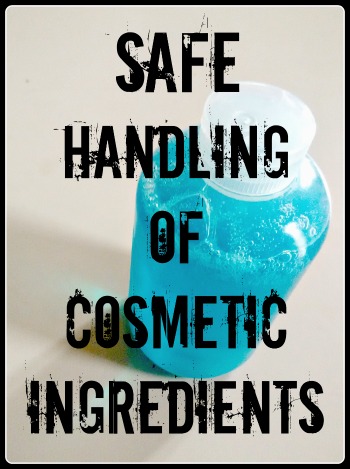
Safe Handling of Cosmetic Ingredients.jpg

Safety Protocols and Chemical Handling in the Studio

In recent years, the availability of professional-grade cosmetic raw materials to independent formulators has grown exponentially. However, accessibility does not diminish the inherent risks. Being “at home” does not change the chemistry of the ingredients; many are highly concentrated, reactive, or toxic if mishandled.

In my lab, I treat formulation with the same gravity as industrial chemistry. Below are the safety standards and observations I document to mitigate risk.

1. Professional Storage Standards

Cosmetic ingredients should never be treated like kitchen staples. In my practice, I’ve established a strict storage protocol:

  • Containment: I never store ingredients in the original shipping bags if they are flimsy. I transfer materials to airtight glass or high-density plastic containers.

  • Labeling: Every container is marked with the INCI name, supplier, and expiry date.

  • Hazard Identification: For reactive solutions (like my 18% Sodium Hydroxide solution used for pH adjustment), I use high-visibility “DANGER” labels and safety symbols. These are kept in a locked, dedicated chemical cabinet, completely isolated from any living or food-prep areas.

2. The Microbiology Mandate (Preservation)

A common misconception in DIY circles is that “natural” means “safe without preservatives.” In my lab records, preservation is a mandatory safety requirement.

  • The Invisible Risk: Bacteria and mold (like Pseudomonas) are often invisible and odorless in the early stages of colonization.

  • The Consequences: Contaminated cosmetics are not just “spoiled”—they can lead to severe infections or permanent ocular damage. In my research, if a formula contains water, it must have a validated broad-spectrum preservation system.

3. GMP (Good Manufacturing Practices) in a Small-Scale Setting

While I work on a studio scale, I follow ISO 22716 (GMP) standards as closely as possible to ensure batch integrity:

  • Sanitization: All equipment, beakers, and packaging are wiped with 70% Isopropyl Alcohol and allowed sufficient contact time to sanitize.

  • Safety Gear: Goggles, gloves, and a lab vest are mandatory.

  • Environment: The formulation space is a “Clean Zone”—no pets, distractions, or unauthorized persons are permitted during a batch cycle.

  • Dedicated Equipment: My beakers and high-shear mixers are strictly for cosmetic use and never enter the kitchen.

4. Handling Reactive pH Modifiers

Working with extreme pH levels ($pH < 2$ or $pH > 12$) requires an understanding of chemical interactions.

  • Acids: These can cause protein hydrolysis, creating a necrotic barrier on the skin.

  • Alkalis (Bases): These are particularly dangerous as they saponify skin lipids, allowing the hydroxide ions to penetrate deeper into the tissue.

My Emergency Protocol:

In the event of accidental contact, I follow a 15-minute continuous rinse under running water and immediately seek medical consultation. Prevention through the use of safety goggles is my primary defense.

5. The Precision of Concentration

In formulation, “more” is rarely “better” and is often dangerous. I strictly adhere to the Safety Data Sheet (SDS) recommendations.

  • Efficiency vs. Waste: Using 0.1% Coenzyme Q10 is effective; using 1% is simply a waste of material that results in excessive staining.

  • Irritation Thresholds: Some ingredients, like Alpha-Bisabolol, are soothing at 0.5% but can become irritants if the concentration is doubled.

  • Crystallization: Exceeding the solubility limit of Allantoin (0.5%) causes sharp micro-crystals to form, which can physically abrade the skin upon application.

Final Observations

Cosmetic formulation is a rewarding science, but it carries real-world liabilities. My journey is built on continuous study, the use of professional formulation textbooks, and a profound respect for the chemicals I handle. Safety is the foundation of every successful batch.
“Frozen” Bath Bombs with color surprise

LAB NOTES & SAFETY NOTICE
For educational purposes only. Content reflects personal, non-professional formulation experiments and is not instructional.
No formula or information on this site is intended for commercial use, consumer application, or third-party use.
Accessing this content means you accept all risks and full responsibility for safety, testing, legal compliance, and outcomes.
[Full Legal Disclaimer & Safety Requirements]

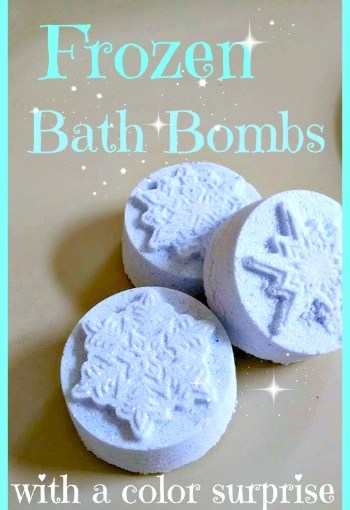
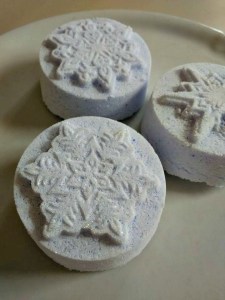
Frozen Bath Bombs DIY


Lab Note: My “Frozen” Icy Bath Bombs

Hello Hello! 😀 Today I’m diving into something a little magical. I wanted to create a bath bomb that felt like a winter wonderland—something icy, sparkly, and super relaxing. I call them my Frozen Bath Bombs!

Usually, people think of bath bombs as “fizzy toys,” but I wanted mine to actually do something for the skin while looking like little pieces of a glacier. yeheee! 😀

The “Ice” Strategy:

To get that “Frozen” look, I used a mix of Ultramarine Blue and a ton of Silver Bio-Mica. For the scent, I went with something crisp and “cold”—a mix of Peppermint and Eucalyptus. When they hit the hot water, the contrast between the steam and the minty scent is just incredible!

The Formula:

Phase A (The Dry Base):

  • Sodium Bicarbonate – 100g (The fizz!)

  • Citric Acid – 50g (I always use a 2:1 ratio of bicarb to acid—it’s the golden rule for a perfect reaction!)

  • Corn Starch (or Cream of Tartar) – 20g (This makes the bombs harder and the water feel silky.)

  • Silver Mica & Blue Pigment (As much as I needed to get that “Elsa” blue! :D)

Phase B (The “Glue”):

  • Cocoa Butter – 10g (I melted this down. It acts as the binder but also makes the bath water super moisturizing.)

  • Polysorbate 80 – 5g (This is CRUCIAL! If you don’t use this, the blue mica and cocoa butter will create a greasy blue ring around your tub. Nobody wants to scrub the tub after a relaxing bath! :P)

  • Essential Oil Blend – 20-30 drops (Peppermint and Eucalyptus for that icy “Frozen” breath.)


Notes from the Beaker:

  1. The “Snow” Texture: I mixed the dry ingredients first, making sure there were no clumps of blue pigment. Then I added the liquid oils drop by drop. You want it to feel like “wet sand”—if you squeeze it in your hand, it should hold its shape!

  2. The Polysorbate Trick: I cannot stress this enough—Polysorbate 80 is the secret to a “clean” bath bomb. It helps the oils and colors disperse into the water instead of floating on top.

  3. The Molding: I packed them into the molds really tight. If you are too gentle, they will just crumble when they dry.

  4. Drying Time: I left mine to dry for a full 24 hours in a room with low humidity. If it’s raining outside, they might start to “fizz” on the counter before you even use them!

Final Verdict: These are just beautiful. The water turns a shimmering, magical blue, and the peppermint makes my skin feel all tingly and fresh. It’s like taking a bath in a fairy tale. ENJOY! 😀

Frozen (5)


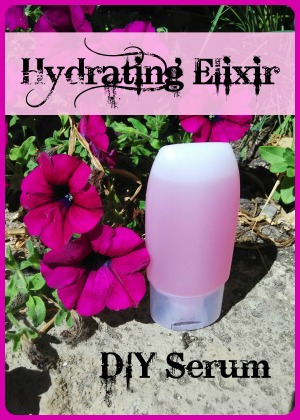
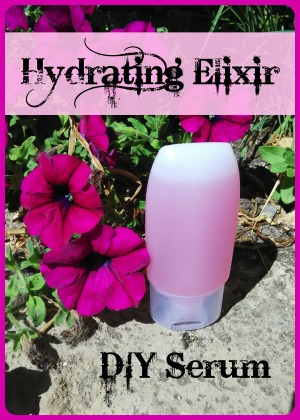
“Hydrating Elixir” Serum with Hyaluronic Acid

LAB NOTES & SAFETY NOTICE
For educational purposes only. Content reflects personal, non-professional formulation experiments and is not instructional.
No formula or information on this site is intended for commercial use, consumer application, or third-party use.
Accessing this content means you accept all risks and full responsibility for safety, testing, legal compliance, and outcomes.
[Full Legal Disclaimer & Safety Requirements]

Hyaluronic Acid and Sodium Lactate Serum 6

Hello Hello! 😀 Today I share one of my last experiments in the home “lsab”. Where I live, we had days over 40°C, and I just wanted something that felt icy and refreshing. I decided to formulate a serum that behaves perfectly when stored in the fridge—though I always remind myself: even if it’s cold, THERE IS NO ESCAPE FROM PRESERVATIVES! 😀

This is an “upgraded” version of my basic Hyaluronic Acid gel. I wanted to include two salts that I usually can’t put in my lotions because my favorite polymeric emulsifiers are such picky divas when it comes to salts! But in a simple water-based serum, they are absolute stars.

The Formula I Used:

  • Water: to 100%

  • Sodium Hyaluronate (high molecular weight): 1%

  • Sodium Hyaluronate (low molecular weight): 0.5%

  • Sodium Lactate: 2%

  • Sodium PCA: 1%

  • Niacinamide (Vitamin B3): 2.5%

  • D-Panthenol: 0.5%

  • Phenonip: 0.5%

  • Fragrance oil (Rock Candy): 0.2%


Notes from my Beaker:

  1. The Hyaluronic “Fuss”: I measured out the water and poured the high molecular weight HA on top. Usually, I try to be patient and let it hydrate naturally, but I was in a rush! I used a stick blender which made it cloudy at first, but after a few days, it turned perfectly transparent. I did the same with the low molecular weight version right after.

  2. The Humectant Boost: I added the Sodium Lactate and Sodium PCA next. Since these are naturally found in our skin (NMF), they make the serum feel so high-performing.

  3. The Niacinamide Caution: I love using Vitamin B3 in the summer, but it’s so sensitive to pH. I measured mine and it was around 7.5, so I used a couple of drops of lactic acid to bring it down to pH 6.5. It’s essential to keep it in that neutral range!

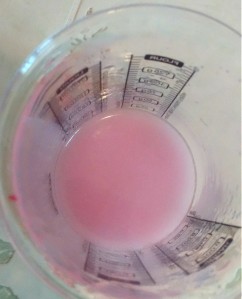
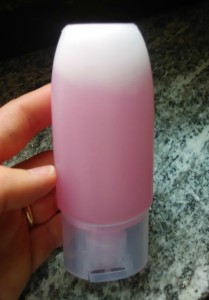
  4. A Touch of Pink: I added one drop of pink food colorant just to pamper myself. It wasn’t a necessity, but it looks so pretty in the bottle!

  5. The Scent: I used a “Rock Candy” fragrance (the Rock Star dupe) and I absolutely LOVE it.

Final Verdict: I was a bit worried that with so many hygroscopic ingredients, it would feel sticky in the 40°C heat, but it’s not at all! I think the Niacinamide really helps with that. I only apply one drop and my skin feels unbelievably smooth. It’s the perfect “fridge treat” for the face. ENJOY! 🙂

Hyaluronic Acid and Sodium Lactate Serum 3

I have added one drop of pink food colorant cause I like to pamper myself with colors. Was it a necessity? Nope.
The Fragrance Oil used in this Serum was Rock Candy from Sensory Perfection (the L**h dupe for “Rock Star”) and I LOVE IT! 🙂

Hyaluronic Acid and Sodium Lactate Serum 4

Hyaluronic Acid and Sodium Lactate Serum