LAB NOTES & SAFETY NOTICE
These are personal experiments for educational use only— not instructions and not for commercial or consumer use. By proceeding, you assume all risks related to safety, testing, and regulatory compliance.
[Full Legal Disclaimer & Safety Requirements]
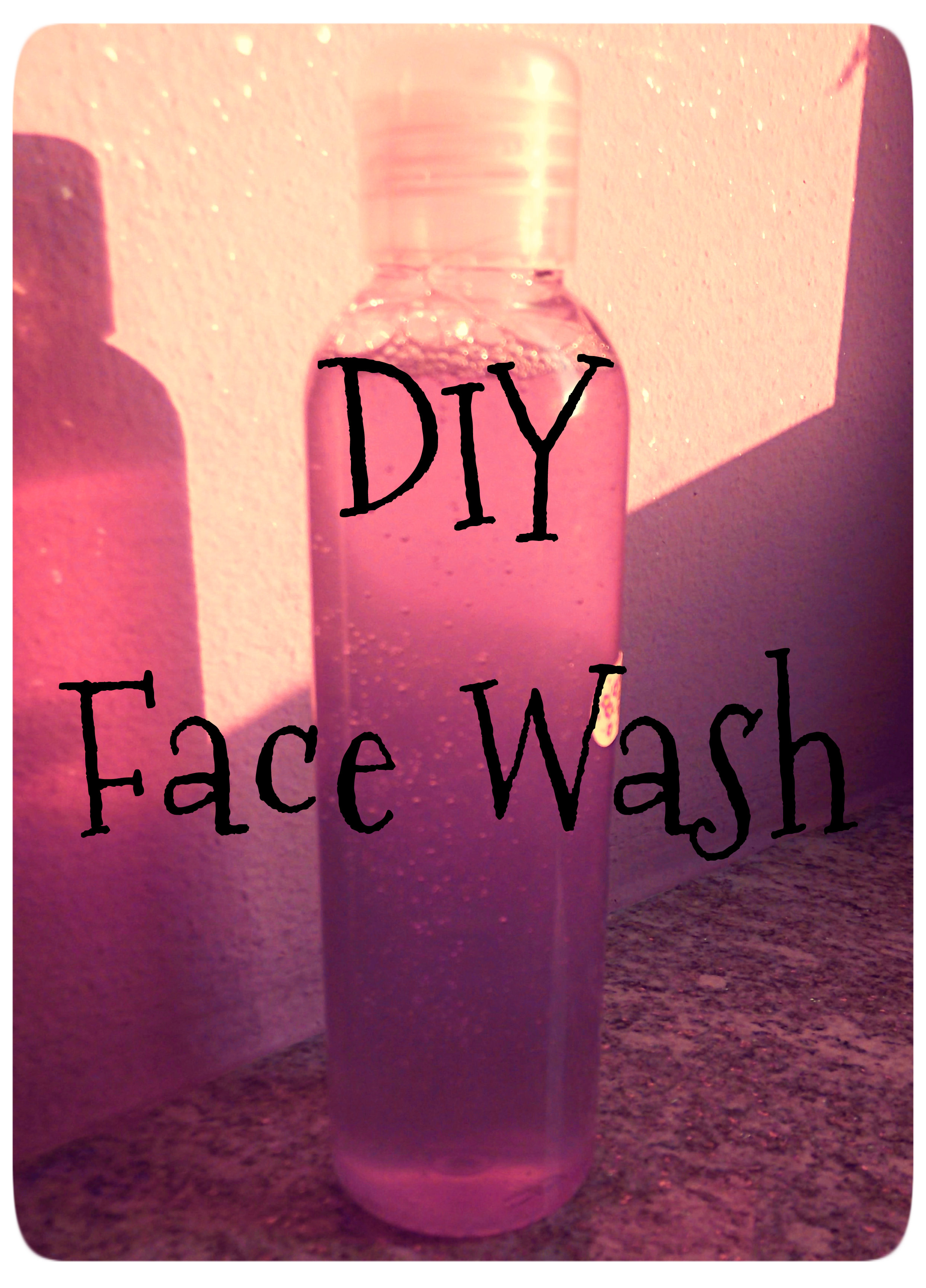
Today I experimented on an “extra-mild” facial cleanser. My goal here was to build a balanced Surfactant Trio (Anionic, Amphoteric, and Non-Ionic) but keep the concentration low enough to respect a compromised skin barrier—especially for my skin, which tends to get acne when it’s irritated.
The ASM Calculation & My Surfactant Logic
To make sure this was as gentle as possible, I targeted a total ASM of 6.5%. Most store-bought face washes are 10–15%, so I knew this would be much softer.
-
Sodium Lauroyl Sarcosinate (Anionic): My primary choice for a creamy lather. It’s so much milder than SLES or SLS.
-
Cocamidopropyl Betaine (Amphoteric): I included this to “buffer” the Sarcosinate. It helps stop the cleanser from being too aggressive on the skin.
-
Lauryl Glucoside (Non-Ionic): This completes the trio. It’s great for removing oily residues without causing irritation.
The Math (Validated against my 6.5% ASM target):
-
Sarcosinate 10g: 10 * 0.29 = 2.9g
-
Betaine 6g: 6 * 0.32 = 1.92g
-
Lauryl Glucoside 3g: 3 * 0.52 = 1.56g
-
Total ASM: 6.38% (Perfect!)
My Formula: Mild Face Wash
| Phase | Component | % / grams | Function |
| A | Distilled Water | to 100 | Solvent |
| A | Glycerin | 3.0 | Humectant |
| A | Xanthan Gum | 0.5 | Thickener / Suspension |
| B | Sodium Lauroyl Sarcosinate | 10.0 | Primary Mild Anionic |
| B | Lauryl Glucoside | 3.0 | Non-Ionic Detergent |
| B | Lavender & Sage EOs | 4 drops | Soothing / Antimicrobial |
| C | Cocamidopropyl Betaine | 6.0 | Amphoteric Buffer |
| C | Preservative & Lactic Acid | q.s. | Safety / pH Calibration |
What I Noticed During the Process
-
Gelling the Water: Sarcosinate is notoriously hard to thicken! I used 0.5% Xanthan Gum to give it enough “body” so it wouldn’t just run off my hands.
-
The “Heat” Trick: My Lauryl Glucoside was a thick paste. I had to give it a quick warm-up in a water bath to liquefy it before mixing, otherwise, I would have ended up with “fish-eyes” (lumps) in my gel.
-
The “Slow-Mix” Rule: Sips water. I stayed away from the high-speed mixers. I just used a manual stirring motion because I didn’t want to turn my beaker into a bubble bath before I even finished!
-
The pH Moment: This is the most sensitive part. I used Lactic Acid to bring the pH down to 5.0.
-
My Observation: At pH 5.5, the Sarcosinate reaches its best density. But I have to be careful—if the pH drops much lower than that, the whole structure can fail and turn back into a liquid mess, plus the betaine should never go below that pH!
-
Final Thoughts
For me, this face wash is the definition of “Less is More.” By getting rid of harsh alcohols and scrubs and using this low-ASM blend instead, I finally gave my skin some space to breathe.
Personal Observation: This formula was a real turning point for my skin. It really confirms my theory: cleaning the skin shouldn’t mean stripping the skin.







 IT'S ALL IN MY HANDS