Buying online COSMETIC INGREDIENTS

Buying Cosmetic Ingredients Online

LAB NOTES & SAFETY NOTICE
These are personal experiments for educational use only— not instructions and not for commercial or consumer use. By proceeding, you assume all risks related to safety, testing, and regulatory compliance.
[Full Legal Disclaimer & Safety Requirements]

Maybe you’ve been reading my posts thinking “yeah right… and where on earth am I gonna find these ingredients?!”
Well I guess it is time for me to show you a few online shops of raw material of cosmetic grade!
This is obviously very important because if you use a fragrance oil which is not of aimed in cosmetic use… well, don’t be surprised if you get a strong allergic reaction or even something worse… same goes if you use urea which you find in gardening shops: that won’t do! 😀

This said, of course in the online shops which sell raw materials for cosmetic use… all the ingredients are of cosmetic grade… but here a few tips in case the online shop you found is not in my list:
– maybe before you purchase, read around the internet if there are experiences of other people
– for each ingredient they sell, they are supposed to own a MSDS which is the Material Safety Data Sheet. The MSDS should be available for each ingredient on their website or they should send it to you after purchase: if it is not available on their website, before you place an order contact them and be sure they are going to send you one. This is important.
– Before purchasing try asking some information about one of the ingredients they sell: for example at what percentage it should be used, if it shouldn’t be used with certain ingredients and so on. Usually they have this information on the ingredient page but sometimes they don’t. A serious supplier will be able to give you some information, however, don’t expect too much: don’t expect suppliers to be formulators.
– If it is the first time you want to buy raw material… DON’T BUY EVERYTHING you find! Make a small list of ingredients that will be really useful (an emulsifier, a thickening agent, a gelling agent). Start planning to make simple creams, pick few active ingredients (maximum 3!), really: keep it simple! 😀
– do NOT go for the “nice name” ingredient: for example, if an ingredient name is “NO MORE WRINKLES concentrated active ingredient” 99% of the time it is a big NO NO NO 😀 If you click on it and look for the INCI name, probably it comes out that this “concentrate active ingredient” is actually made of “water, lecithin (emulsifier), some kind of oil, the great ingredient” and you can be sure that your great ingredient will be at minimum %.

Ok… after having warned you… 😀
Let me put some links! 😀
NOTE: I am not publicizing any website, I am just posting some websites I know of… that might help you in starting your serious COSMETIC DIY! 😀
I have bought only from some of these websites and obviously I am not responsible if something on your order goes wrong.

Here we go:

Asia:
http://www.bulkactives.com – good website! It has some ingredients which are very difficult to find somewhere else. Prices are a little bit higher than in other places.
http://stores.skinessentialactives.com/

North America: 
http://www.makingcosmetics.com – many ingredients and also sells in bulk!
http://www.ingredientstodiefor.com
http://www.lotioncrafter.com/

Europe:
http://www.gracefruit.com – UK – Has many many ingredients for soap-making and also some ingredients. Long list also of fragrance oils. Prices are quite high compared to other websites but some fragrances are difficult to find somewhere else.
http://www.activeformulas.com – UK – website mostly about active ingredients. It has a vast choice.
http://www.aromantic.co.uk/home/products/active -ingredients.aspxUK 
http://www.thesoapkitchen.co.uk/ 
http://www.phoenixproducts.co.uk/
http://www.sensoryperfection.co.uk/
– if you click HERE you will find my review of some of their fragrance oils 

http://www.zrobsobiekrem.pl/pl/i/Information-for-foreigners/129 – PL – This website is from Poland and you can use Google Translate to translate everything written on the page. It sells cheap plant extracts and also some emulsifiers and active ingredients!

http://www.glamourcosmetics.it/ – IT – Probably my favourite Italian website that sells ingredients. Very serious, ship extremely fast, have good variety of ingredients – if you click HERE you will find my review of some of their fragrance oils.
http://www.dermolife.it/shop/index.php – IT – Italian website with good prices about tensioactives. Many active ingredients (vitamins, minerals, aminoacids) also.
http://www.farmaciavernile.it/ – IT – good ingredients (also some special ones which I couldn’t find on other websites).

http://www.dragonspice.de – DE – website from Germany.
http://www.manske-shop.com – DE – website from Germany. It has mostly ingredients about making soaps, therefore a lot of butters and oils, many fragrance oils, essential oils and only few cosmetic ingredients (but basic emulsifiers and active ingredients are there) – if you click HERE you will find a review on some of their fragrance oils.
http://www.alexmo-cosmetics.de/
http://www.aliacura.de/

http://www.aroma-zone.com – FR – French website. Many kinds of oils and butters (very exotic), emulsifiers, essential oils and some active ingredients (but read the INCI of each, before purchasing).

http://www.jabonariumshop.com – SP – website from Spain mainly about soap-making. Good prices.

http://kosmetikmacherei.at – AU

http://www.candlemaking.gr/ – GR

Australia:
http://stores.skinessentialactives.com/
https://www.escentialsofaustralia.com/
http://www.n-essentials.com.au/
http://www.aussiesoapsupplies.com.au/
http://www.heirloombodycare.com.au/

Please let me know if you know any good shop from your own country.
Notice also that if you make an order from a website which is not in your country, you might have to pay custom duties… so get informed about it before you make your order! 🙂

Hair Conditioner Recipe (and THEORY)

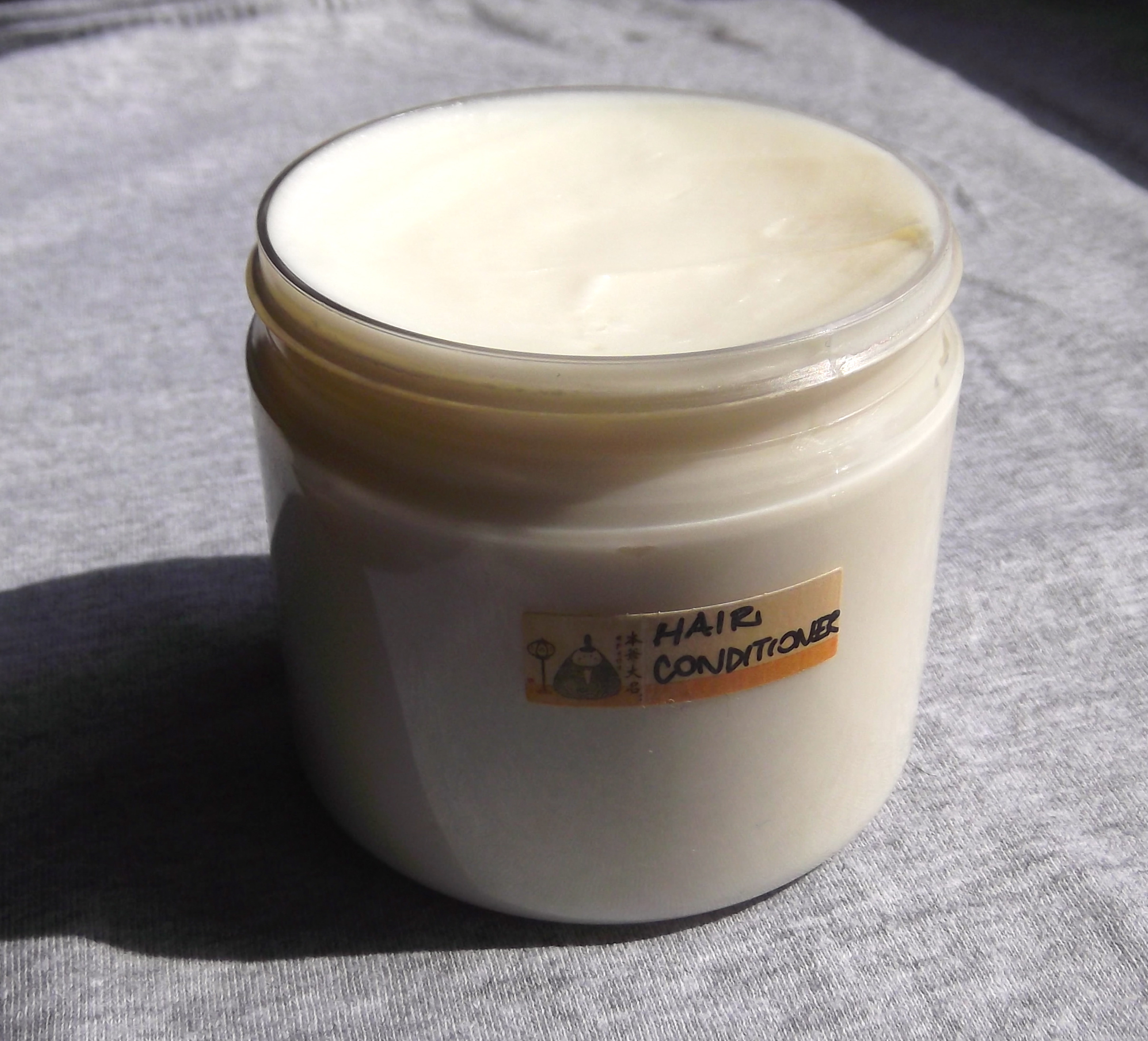
Hair Conditioner Recipe

LAB NOTES & SAFETY NOTICE
These are personal experiments for educational use only— not instructions and not for commercial or consumer use. By proceeding, you assume all risks related to safety, testing, and regulatory compliance.
[Full Legal Disclaimer & Safety Requirements]

Theory & Practice: The Basic Hair Conditioner

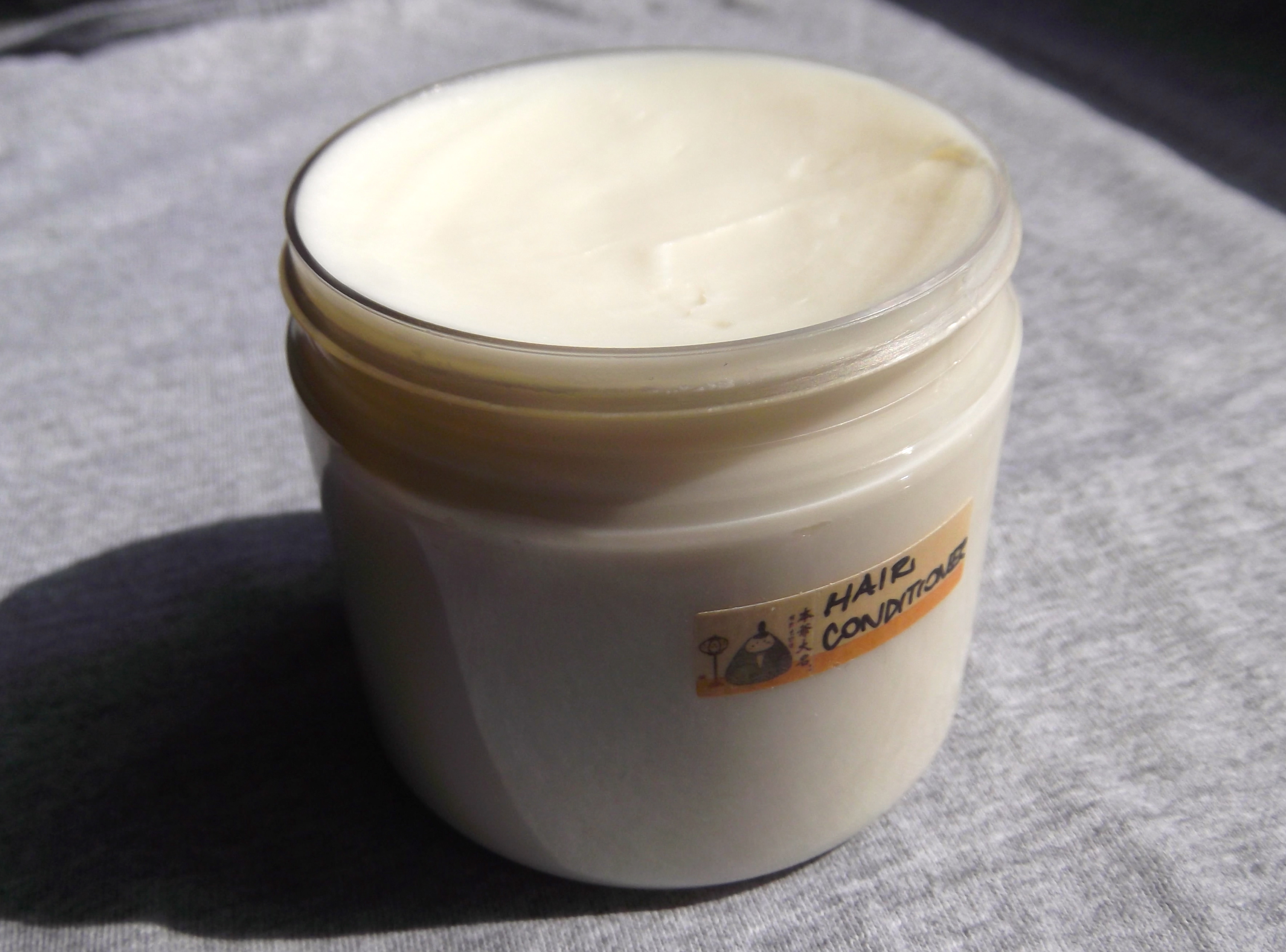
Hello Hello! :D Today I want to show you a foundational recipe for a high-performance hair conditioner.

Making a conditioner is similar to making a skin lotion, but there are some critical differences in the technique. If you don’t follow these, your conditioner might fail or separate!

The Two Golden Rules of Conditioner:

  1. The Pour: In a lotion, we usually pour the Oil (B) into the Water (A). In a conditioner, you MUST pour the Water (Phase A) into the Oil (Phase B). This is vital for the cationic emulsion!

  2. Phase C: There isn’t a “block” Phase C. You must add every extra ingredient SINGULARLY, ONE BY ONE, once the emulsion is at room temperature.

The Formula: Eco-Friendly Conditioner

Phase A (Water):

  • Water: to 100

  • Glycerin: 3.0

  • Guar Hydroxypropyltrimonium Chloride: 0.1 (This is a fantastic detangler! If you don’t have it, you can use a Flaxseed or Mallow infusion instead).

  • Heat to precisely 75°C.

Phase B (The Cationic Base):

  • Esterquat: 8.0 (This is a cationic emulsifier—specifically for hair! It’s great because it’s eco-friendly).

  • Jojoba Oil: 2.0

  • Cetyl Alcohol: 3.5 (For thickness and “slip”)

  • Stearic Acid: 1.5

  • Heat to 70°C.

“Phase C” (Add one by one!):

  • Hydrolyzed Wheat Protein: 3.0

  • Panthenol: 1.0

  • Polyquaternium-7: 2.0 (Enhances the conditioning. You can skip it if you don’t have it).

  • Preservative: (According to your product’s dosage, e.g., 0.6%)

  • Fragrance/Essential Oil: To your taste! :D


Notes from my Beaker:

  • The Emulsifier: Unlike face creams, conditioners need a Cationic charge to stick to the hair (which has a negative charge). Esterquat is the perfect choice because it’s much better for the environment than older conditioning agents.

  • Temperature Check: Use your thermometer! If Phase A isn’t hot enough when it hits the Esterquat, the emulsion won’t be as smooth and stable.

  • The Finish: Once you’ve added your ingredients one by one, give it a final slow stir. You’ll notice the texture becomes very creamy and rich.

Final Verdict: This conditioner is simple but very effective. It leaves the hair soft, easy to comb, and static-free without being too heavy.

HAVE A GREAT DAY!!! 😀

DSCF3512


How to make a lotion: EMULSIFIERS pt.2 – THEORY

LAB NOTES & SAFETY NOTICE
These are personal experiments for educational use only— not instructions and not for commercial or consumer use. By proceeding, you assume all risks related to safety, testing, and regulatory compliance.
[Full Legal Disclaimer & Safety Requirements]

My Lab Notes: Hot vs. Cold — How I Choose My Emulsifier

Hello Hello! 😀 I’ve realized that while HLB is a great starting point for my experiments, it doesn’t tell the whole story of how an ingredient behaves once it hits my beaker. In my records, I’ve found that two things matter even more: The Process and The Percentage.

1. My Experience with Hot-Process (The Classics)

Most of the emulsifiers in my cupboard come as solid flakes or pearls. I’ve documented that these almost always need to hit 70°C to really “wake up” and work.

  • Self-Emulsifiers: I use things like Montanov 68 when I want a “complete meal” that works on its own.

  • The “Partnership” Method: I really enjoy pairing a hydrophilic emulsifier with a lipophilic one (like Methyl Glucose Sesquistearate). It gives me so much more control over whether the cream feels “velvet” or “rich.”

  • My Temperature Rule: Sips water. I’ve learned the hard way—if I don’t get both phases to the same temperature, the emulsion might look okay at first, but it will separate by tomorrow!

2. My “No-Heat” Days (The Cold Process)

Sometimes I use liquid emulsifiers that work at room temperature.

  • The Observations: I’ve noticed these usually produce much lighter, fresher textures—perfect for summer experiments!

  • The Lipid Constraint: I have to remind myself that since I’m not using heat, I can’t easily use my solid butters or waxes unless I change the whole plan.

How I Study My Ingredients

I’ve found that the best way for me to learn is by comparing. I like to make a “test base” and swap out only the emulsifier to see how the whiteness and thickness change.

Where I Get My Data

I never guess! I always keep the supplier’s notes on my desk. I look for:

  • The recommended usage (usually 2% to 5%).

  • The melting point. If a supplier doesn’t provide this, I don’t use the material. I need clear info for my records!

Every batch is a new chance to see how these “matchmakers” behave.

HAVE A GREAT DAY! 😄

(Sources)

How to make a lotion: EMULSIFIERS pt.1 – THEORY

LAB NOTES & SAFETY NOTICE
These are personal experiments for educational use only— not instructions and not for commercial or consumer use. By proceeding, you assume all risks related to safety, testing, and regulatory compliance.
[Full Legal Disclaimer & Safety Requirements]

My Lab Notes: Emulsifiers and the HLB Mystery

Hello Hello! 😀

I’ve been spending a lot of time thinking about the “matchmakers” in my beakers: Emulsifiers. I’ve learned that since water and oil naturally want to stay apart, I need a substance that acts like a bridge—something that grabs the water with one hand and the oil with the other to keep them combined.

The “Double Personality” Discovery

I’ve documented that these molecules work because they have a dual nature:

  • One part is Hydrophilic (water-loving).

  • One part is Lipophilic (oil-loving).

The HLB Scale (My Reference Guide)

I used to find the HLB (Hydrophilic-Lipophilic Balance) scale a bit intimidating, but I’ve simplified it in my notes. It’s just a scale from 0 to 20 that tells me which side the emulsifier “leans” toward.

[If I feel like skipping the technical parts today… I can! 😄 But for my records, I’m keeping this summary here:]

  • HLB 3–6 (The Oil-Lovers): In my experiments, these usually create W/O (Water-in-Oil) systems. I’ve noticed these are great for heavy, protective ointments.

  • HLB 8–16 (The Water-Lovers): These are my go-to for O/W (Oil-in-Water) lotions. Most of the creams I make fall into this category.

My Emulsifier “Cheat Sheet”:

I’ve compiled this list of values for the materials I have in my cupboard so I don’t have to look them up every time:

  • 4.0 – Lecithin (I’ve even tried the food-grade kind from the supermarket!)

  • 5.0 – Cetyl alcohol (I record this as a lipophilic co-emulsifier to add “body”)

  • 10.0 – Montanov 68 (A self-emulsifier that I’ve found works well on its own)

  • 12.0 – Methylglucose sesquistearate (One of my favorites for light lotions)

  • 16.7 – Polysorbate 20 (I use this mainly when I need to dissolve essential oils into water)

What the Numbers Don’t Tell Me

My biggest takeaway from these experiments is that the HLB number is just the beginning.

  • Thermal requirements: My notes show that the number won’t tell me if I need to hit 70°C or if it’s a cold process.

  • The “Feel”: I still have to get my hands in the beaker to see if the final cream feels “waxy” or “silky.”

(to be continued… 😄)

How to formulate a SERUM

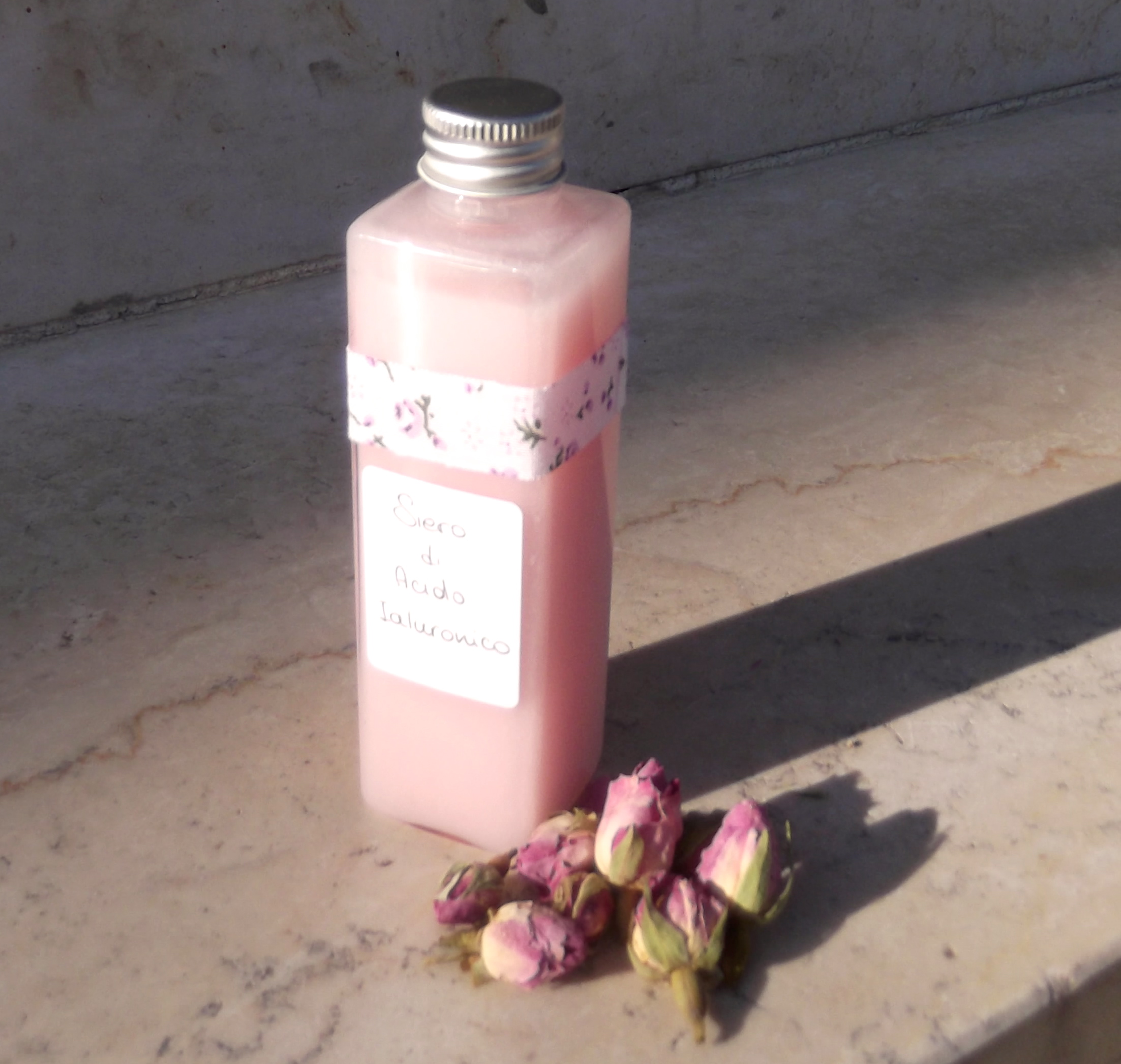
Hyaluronic Acid Serum

LAB NOTES & SAFETY NOTICE
These are personal experiments for educational use only— not instructions and not for commercial or consumer use. By proceeding, you assume all risks related to safety, testing, and regulatory compliance.
[Full Legal Disclaimer & Safety Requirements]

This post is a great way to show how formulation shifts when you move from “heavy” emulsions to “active-heavy” serums. In 2026, the trend is all about “minimalist science,” so framing this as your Technical Brief on Aqueous Systems is perfect.

Here is the “Studio” revamp, using the Lab Notes persona.


Lab Notes: Observations on Aqueous Systems & Serum Theory

In my formulation research, serums represent a distinct category of product design. While lotions are designed for barrier protection and emollience, serums are engineered as high-delivery systems for specific active components. Below are my documented observations on the characteristics and structural theory of these fluid systems.

Defining Characteristics of a Serum

In my lab records, I categorize a “Serum” based on these specific technical parameters:

  • Lipid Load: Systems are typically very light, with a total fat content often documented between 1.5% and 4%.

  • Viscosity ($\eta$): Serums are designed to be fluid or semi-fluid rather than high-viscosity creams.


  • Active Density: They are formulated to hold a higher concentration of “hero” ingredients.


  • Cold Process Theory: Because the lipid load is so low, many of my serum experiments are conducted at room temperature (Cold Process), preserving the integrity of heat-sensitive vitamins.

Theory Perspective: If a cream is the “protector” of the skin, a serum is the “booster.” Expecting a serum to provide the same occlusion as a rich cream is a common misconception in formulation theory; they serve different physiological goals.


Structural Phases in Serum Design

Phase A: The Aqueous Base

Phase A is the backbone of the serum. In my experiments, I focus heavily on the choice of Rheology Modifiers (gelling agents) to determine the “pick-up” and “after-feel” of the product.

  • Robustness: I prioritize gelling agents that can withstand high electrolyte (salt) loads from actives.

  • My Go-To Polymers: I often record the use of Xanthan Gum or Hydroxyethylcellulose (HEC). Note that HEC requires a thermal trigger to hydrate, which I account for in my processing notes if cold-sensitive actives are involved.

Phase B: The Targeted Lipid Phase

Even in a water-heavy system, a small lipid phase is often necessary to carry oil-soluble vitamins (like Vitamin E/Tocopherol).

  • Solubilization vs. Emulsification: In my lab, when the oil phase is under 2%, I often experiment with solubilizers (surfactant-based materials) rather than traditional waxes. This allows the final system to remain translucent and liquid.

  • Cold Emulsifiers: For serums, I frequently document the use of liquid, room-temperature emulsifiers to maintain a “Cold Process” workflow.

Phase C: The Active Integration

In serum theory, the line between Phase A and Phase C is often blurred. Since many serums are cold-processed, I can incorporate the actives directly into the water phase from the start.

Hyaluronic Acid: The Dual-Purpose Ingredient

I’ve found that Sodium Hyaluronate is a fascinating case study in serum design. It acts simultaneously as a high-performance active and a gelling agent. In my records, I’ve noted that a high-molecular-weight Hyaluronic Acid can create a complete serum structure on its own, requiring nothing more than water and a preservative.


Concluding Thoughts on Serum Strategy

Designing a serum is an exercise in precision. Because the formula is so “exposed” (lacking the heavy waxes of a cream), every ingredient must be perfectly balanced to avoid tackiness or instability. I find these systems to be the ultimate test of an active ingredient’s compatibility with a base.

What’s next in the lab?

I am currently reviewing my notes on Niacinamide stability within these aqueous systems. If you have specific observations on pH-sensitive actives in serums, I’d love to compare data!

Caffeine – formulating

LAB NOTES & SAFETY NOTICE
These are personal experiments for educational use only— not instructions and not for commercial or consumer use. By proceeding, you assume all risks related to safety, testing, and regulatory compliance.
[Full Legal Disclaimer & Safety Requirements]

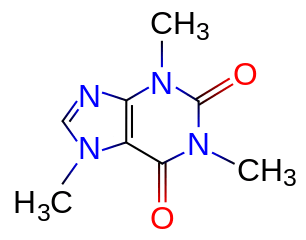
CAFFEINE is a quite common cosmetic ingredient. It can be found mostly in eye creams or anti-cellulite products but lately it has been added even to soaps or shower gels.
306px-caffeine-svg
Chemical Name: Caffeine
Chemical Formula: C8-H10-N4-O2
Molecular Weight: 194.2 g/mole
Color: White.
pH (1% soln/water): 6.9 [Neutral.]
Solubility: The product is equally soluble in oil and water; log(oil/water) = -0.1.
Caffeine is moderately soluble in water at room temperature (2 g/100 mL), but very soluble in boiling water (66 g/100 mL). It is also moderately soluble in ethanol (1.5 g/100 mL). It is weakly basic (pKa = ~0.6) requiring strong acid to protonate it.
Incompatibilities with Other Materials: Strong oxidizing agents.
Hazardous Decomposition Products: Nitrogen oxides, carbon monoxide, irritating and toxic fumes and gases, carbon dioxide.
(Source: here and here)

KEEP ON READING

How to make foot & hand cream: formulating!

LAB NOTES & SAFETY NOTICE
These are personal experiments for educational use only— not instructions and not for commercial or consumer use. By proceeding, you assume all risks related to safety, testing, and regulatory compliance.
[Full Legal Disclaimer & Safety Requirements]

DSCF3497

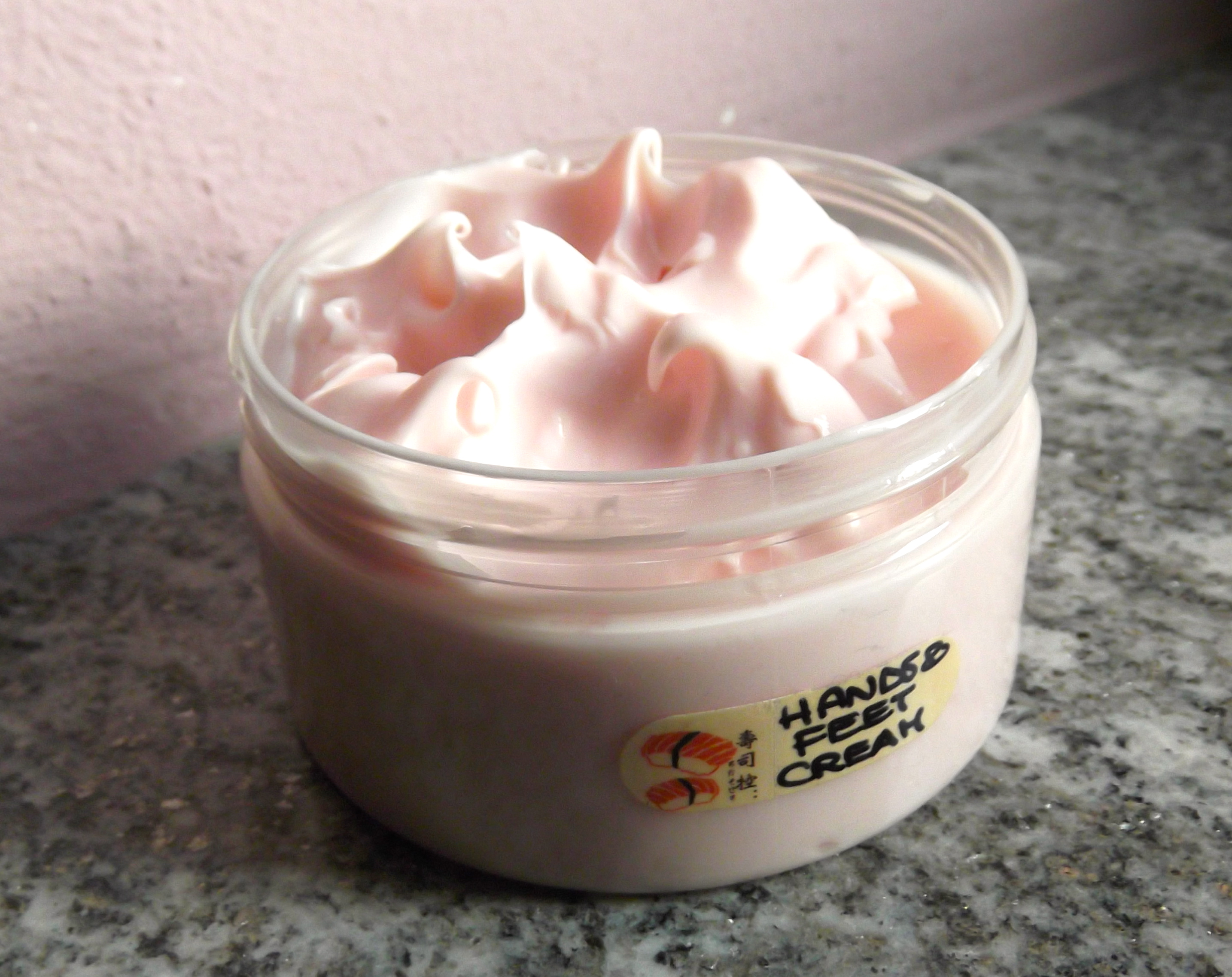
Formulating a Protective Barrier Cream (Hands & Feet)

In this experimental batch, I am documenting the creation of a high-lipid barrier cream designed for hands and feet. These areas require a specific “Heavy Emollient” profile—thick, protective, and highly hydrating. My goal was to achieve a 25% lipid load while maintaining a stable, professional texture.

Phase A: Rheology and Electrolyte Stability

In my lab notes, the choice of gelling agent for this formula was dictated by the active ingredients in Phase C.

  • Distilled Water: to 100

  • Glycerin: 4.0% (Increased humectant levels for extreme dryness).

  • Xanthan Gum: 0.5% Technical Observation: I opted for a relatively high percentage of Xanthan Gum as the sole stabilizer. I purposely avoided Carbomer polymers because the high concentration of Urea (an electrolyte) in Phase C would compromise the carbomer’s lattice, leading to viscosity loss.

Phase B: The Heavy “Grease-Fall” and Protective Waxes

For a hand/foot treatment, the lipid profile shifts toward the “heavy” end of the Gaussian distribution.

  • The Lipid Cascade: I prioritized hard butters (Cocoa and Shea) to provide structure and occlusion.

  • The Role of Waxes: I’ve introduced Jojoba Wax at 2%. Waxes are not strictly part of the “Grease-Fall” fluidity; instead, they function as film-formers, providing a protective “glove” effect against environmental stressors.

Experimental Oil Phase (25% total fats):

  • Jojoba Wax: 2.0%

  • Cocoa Butter: 5.0%

  • Shea Butter: 10.0%

  • Argan Oil: 5.0%

  • Grape Seed Oil: 5.0%

Phase C: Managing Urea and pH Stability

Phase C contains the “Hero” ingredients, but they require careful chemical management.

  • Urea (10%): A potent humectant known for its water-binding and keratolytic (exfoliating) properties.

  • Gluconolactone (2%): In my research, Urea is known to cause a pH drift (becoming more alkaline over time). To counter this, I’ve included Gluconolactone as a buffering/sequestering agent to maintain pH stability.

  • Texture Modifier: I added Aluminum Starch Octenylsuccinate (1%) to mitigate the greasiness of the 25% fat load, resulting in a matte, “velvet” after-feel.


My Batch Processing Workflow

  1. Hydration: I dispersed the Xanthan Gum in Glycerin before adding the water (setting aside 15g for the urea solution).

  2. Thermal Phase: Both Phase A and Phase B were heated to 70°C.

  3. Emulsification: Phase B was incorporated into Phase A in three stages using an immersion mixer.

  4. Urea Integration: Once the emulsion cooled to room temperature, I dissolved the Urea and Gluconolactone in the reserved 15g of water and integrated this into the base.

  5. Final Finish: I added the preservative, essential oils (Grapefruit and Mint), and a touch of food-grade coloring for aesthetic appeal.

Final QC Check: The pH was measured and found to be stable between 5.5 and 6.0.