It’s All in My Hands – Last Update

Hello,

I’m writing to you today to share some news about this blog.

If you’ve been here for a while—some of you since 2012—you know that this space has been my lab. I’ve spent years experimenting with cosmetic formulations and sharing my learning curve. I’ve reached almost 1.5 million views, and I am so grateful for the company you’ve kept me.

I haven’t shared much here lately. To be honest, I’ve felt a bit silenced by all the new rules and regulations. The “proper” way to share experiments started to feel less like a creative process and more like a technical chore.

I’ve never earned a single euro from this blog, and as it gets more expensive and complicated to maintain, I’ve decided it’s time for a change. I am keeping this site online only as a historic archive of my formulation journey, but I won’t be posting here anymore.

However, my hands haven’t stopped working.

I’m returning to where I actually started: crafts, wool, and the simple joy of making things for a cozy home. I’ve started a brand new blog so I can share these new chapters – spinning, knitting, felting, and simple apothecary – without cluttering the formulation archive here.

I would love for you to join me at my new home, if you share any interest in these new subjects:

Wool & Embers STUDIO

Whether you stay to browse the old formulas or follow me to the new studio, thank you for being part of this journey since the beginning.

See you at the new hearth,

Chiara

Ps. Here are some of the things I share now

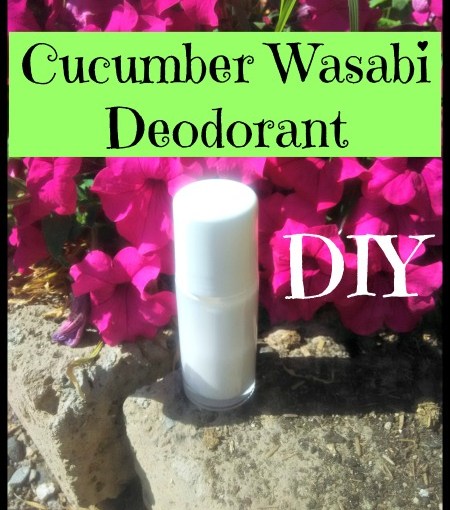
DIY Cucumber Wasabi Deodorant

LAB NOTES & SAFETY NOTICE
For educational purposes only. Content reflects personal, non-professional formulation experiments and is not instructional.
No formula or information on this site is intended for commercial use, consumer application, or third-party use.
Accessing this content means you accept all risks and full responsibility for safety, testing, legal compliance, and outcomes.
[Full Legal Disclaimer & Safety Requirements]

Cucumber Wasabi Deodorant 2

Hello Hello! 😀 Today I am experimenting making something a bit… unusual. Yes, I am putting Wasabi in a deodorant!

The Secret Science:

I used Wasabi Extract (Wasabia Japonica) because it should be naturally antimicrobial, but I also added Triethyl Citrate. Here’s the trick: Bacteria under your arms try to eat your sweat and turn it into stinky fatty acids. But Triethyl Citrate “tricks” them—the bacteria eat it instead, and it lowers the pH so the “stink-makers” can’t grow. It’s so smart! yeheee!

The Formula:

Phase A:

  • Water to 100
  • Glycerin 2
  • Xanthan Gum 0.5 (To make it a nice “roll-on” gel texture)

Phase B:

  • Alcohol Denat. (96°) – 15 (This helps it dry fast and kills bacteria on contact. It can be lowered to 10%.)
  • Triethyl Citrate – 5 (the “stink-stopper” hero!)
  • Wasabi Extract – 2 (The antimicrobial star!)
  • Polysorbate 20 – 2 (This is the solubilizer—it helps the “oily” parts mix into the water phase.)

Phase C:

  • Zinc Ricinoleate – 2 (This literally “traps” odor molecules like a cage!)
  • Preservative (According to your type)
  • Essential Oils – 10 drops (I used Lemon and Eucalyptus for that super fresh, clean feeling!)

Notes from the Beaker:

  1. The Mix: I mixed the Xanthan Gum into the water first until I had a smooth, clear gel.
  2. The Alcohol Trick: I mixed the essential oils and the Triethyl Citrate into the Alcohol/Polysorbate first. This ensures you don’t get oily droplets floating on top of your water!
  3. The Smell: The Wasabi extract I use is very mild, and once I added the Lemon and Eucalyptus, it just smelled incredibly fresh!
  4. pH Check: I wanted it to be around pH 4.5 to 5. Most armpit bacteria hate acidity, so keeping it low helps the deodorant work even better!

Final Verdict: This is a life-saver for summer. It’s fresh, it’s liquid, and it doesn’t leave white marks on your favorite black t-shirt. It’s my “secret weapon” against the heat! ENJOY! 😀

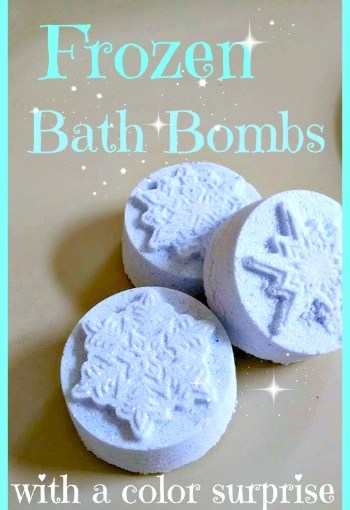
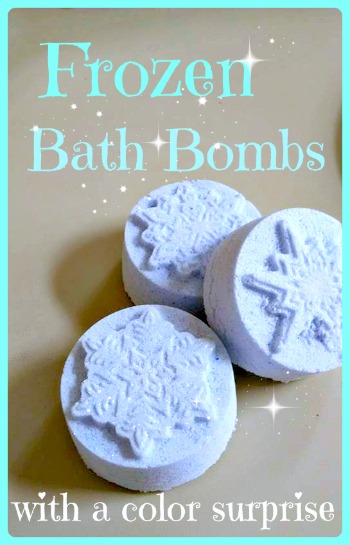
“Frozen” Bath Bombs with color surprise

LAB NOTES & SAFETY NOTICE
For educational purposes only. Content reflects personal, non-professional formulation experiments and is not instructional.
No formula or information on this site is intended for commercial use, consumer application, or third-party use.
Accessing this content means you accept all risks and full responsibility for safety, testing, legal compliance, and outcomes.
[Full Legal Disclaimer & Safety Requirements]

Frozen Bath Bombs DIY


Lab Note: My “Frozen” Icy Bath Bombs

Hello Hello! 😀 Today I’m diving into something a little magical. I wanted to create a bath bomb that felt like a winter wonderland—something icy, sparkly, and super relaxing. I call them my Frozen Bath Bombs!

Usually, people think of bath bombs as “fizzy toys,” but I wanted mine to actually do something for the skin while looking like little pieces of a glacier. yeheee! 😀

The “Ice” Strategy:

To get that “Frozen” look, I used a mix of Ultramarine Blue and a ton of Silver Bio-Mica. For the scent, I went with something crisp and “cold”—a mix of Peppermint and Eucalyptus. When they hit the hot water, the contrast between the steam and the minty scent is just incredible!

The Formula:

Phase A (The Dry Base):

  • Sodium Bicarbonate – 100g (The fizz!)

  • Citric Acid – 50g (I always use a 2:1 ratio of bicarb to acid—it’s the golden rule for a perfect reaction!)

  • Corn Starch (or Cream of Tartar) – 20g (This makes the bombs harder and the water feel silky.)

  • Silver Mica & Blue Pigment (As much as I needed to get that “Elsa” blue! :D)

Phase B (The “Glue”):

  • Cocoa Butter – 10g (I melted this down. It acts as the binder but also makes the bath water super moisturizing.)

  • Polysorbate 80 – 5g (This is CRUCIAL! If you don’t use this, the blue mica and cocoa butter will create a greasy blue ring around your tub. Nobody wants to scrub the tub after a relaxing bath! :P)

  • Essential Oil Blend – 20-30 drops (Peppermint and Eucalyptus for that icy “Frozen” breath.)


Notes from the Beaker:

  1. The “Snow” Texture: I mixed the dry ingredients first, making sure there were no clumps of blue pigment. Then I added the liquid oils drop by drop. You want it to feel like “wet sand”—if you squeeze it in your hand, it should hold its shape!

  2. The Polysorbate Trick: I cannot stress this enough—Polysorbate 80 is the secret to a “clean” bath bomb. It helps the oils and colors disperse into the water instead of floating on top.

  3. The Molding: I packed them into the molds really tight. If you are too gentle, they will just crumble when they dry.

  4. Drying Time: I left mine to dry for a full 24 hours in a room with low humidity. If it’s raining outside, they might start to “fizz” on the counter before you even use them!

Final Verdict: These are just beautiful. The water turns a shimmering, magical blue, and the peppermint makes my skin feel all tingly and fresh. It’s like taking a bath in a fairy tale. ENJOY! 😀

Frozen (5)


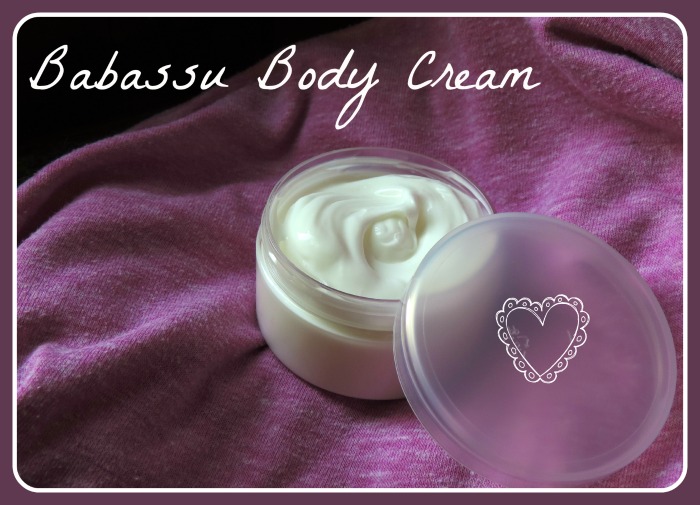
Babassu Body Cream – Recipe

LAB NOTES & SAFETY NOTICE
For educational purposes only. Content reflects personal, non-professional formulation experiments and is not instructional.
No formula or information on this site is intended for commercial use, consumer application, or third-party use.
Accessing this content means you accept all risks and full responsibility for safety, testing, legal compliance, and outcomes.
[Full Legal Disclaimer & Safety Requirements]

Hello there! 😀

Babassu Body Cream

Lab Note: My “Smooth as Silk” Babassu & Shea Body Cream

Today I’m sharing a recipe for a rich body cream using a new emulsifier: Methyl Glucose Distearate. I’ve found the skin feel is even lighter than the “Sesquistearate” version, so I might start testing this for face creams too! yeheee!

For this body cream, I wanted it to feel luxurious but not greasy, so I chose Babassu Oil and Shea Butter, but balanced them with Dicaprylyl Ether to give it a nice “dry” finish.

The “Secret” Allantoin Trick:

I add Allantoin to almost everything because it’s so soothing and affordable. But it can be tricky to disperse! My secret? I found that it “melts” perfectly into Hydrolyzed Proteins. Now, I always pair them together in my Phase C—no more grainy creams! 😉

The Formula I Used:

Phase A (The Gel Base):

  • Water: to 100

  • Glycerin: 5.0

  • Xanthan Gum: 0.2

  • Carbopol Ultrez 21: 0.4 (The “No-Stir” superstar!)

Phase B (The Precious Fats):

  • Methyl Glucose Distearate: 3.5 (The new emulsifier)

  • Cetyl Alcohol / Cetyl Palmitate: 0.8 / 0.7 (My thickening duo)

  • Shea Butter: 6.0

  • Babassu Oil: 8.0

  • Rose Hip Oil: 3.0

  • Dicaprylyl Ether: 3.0 (For that “dry” touch)

Phase C (The Active Finish):

  • Hydrolyzed Oat Proteins: 3.0

  • Allantoin: 0.4 (Pre-mixed into the proteins!)

  • Preservative (Cosgard): 1.0

  • Fragrance Oil: A few drops


Notes from my Beaker:

  1. The Carbopol Ritual: I measured the Carbopol Ultrez 21 and just poured it on top of the water. Do not mix it! Just let it sit and hydrate slowly while it sits on the surface. After a few minutes, it looks like water with little whitish pieces—that’s perfect! It only becomes a gel once the pH hits 5.

  2. The Emulsion: I heated Phase A and B to 70°C. I added the Xanthan-glycerin slurry to the water just before mixing. Then, I slowly poured Phase B into Phase A while stirring with a spatula.

  3. The Mixer: Once they are combined, it’s time for the immersion mixer! It turns white and liquid, but the mixer is what makes the “magic” emulsification happen.

  4. The Ice Bath: You cannot skip the cooling process or it might separate! I used an ice bath to speed things up, stirring for about 30 minutes until it reached room temperature.

  5. The Finish: I added my Phase C (with my Allantoin-Protein mix!), checked the pH, and adjusted it to 5.5.

  6. The Waiting Game: Because of the Cetyl Alcohol and Palmitate, the cream keeps thickening for 24-48 hours. I left it in the beaker covered with plastic wrap for two days, stirring it every now and then, before finally putting it into jars.

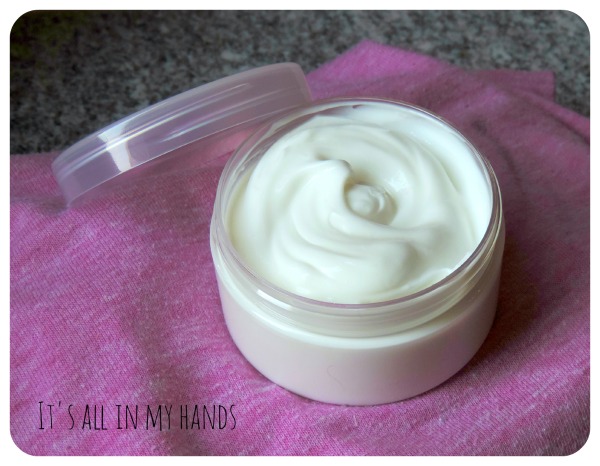
Final Verdict: The texture is lovely! It’s rich because of the Shea and Babassu, but the new emulsifier and the Dicaprylyl Ether keep it from feeling “heavy.” And thanks to the protein trick, the Allantoin is perfectly smooth. ENJOY! 😀 😀 😀

Body cream itsallinmyhands


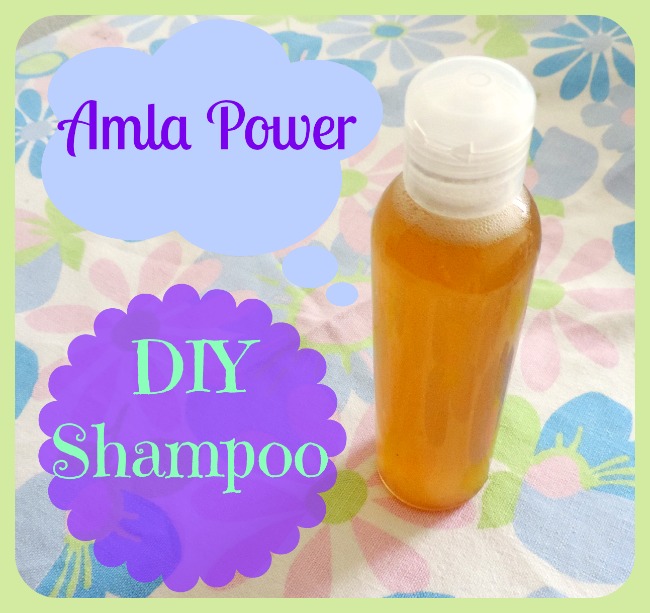
Amla Power – DIY Spicy Shampoo

LAB NOTES & SAFETY NOTICE
For educational purposes only. Content reflects personal, non-professional formulation experiments and is not instructional.
No formula or information on this site is intended for commercial use, consumer application, or third-party use.
Accessing this content means you accept all risks and full responsibility for safety, testing, legal compliance, and outcomes.
[Full Legal Disclaimer & Safety Requirements]

Amla Power DIY Shampoo

Lab Note: “Amla Power” Spicy Shampoo (The Poetic Effect!)

Hello Hello! 😀 Instead of trying to invent a “miracle anti-gravity” cream today, I decided to focus on something I really needed: a new shampoo!

I formulated this one for the “Autumn hair loss” season. I’m not saying I found a high-tech miracle cure—I’m not even sure those exist! Instead, I used a simple trick: Spicy Essential Oils to help stimulate blood circulation in the scalp. Plus, I added the “Prince” of Indian hair care: Amla Powder!

The Amla Legend

I bought this Amla in India. There, it’s believed to do everything: strengthen follicles, stop dandruff, prevent graying, and even straighten hair! Sips water. If you know me, you know I don’t blindly believe in miracles, but I love the history of Amla, so I added it for The Poetic Effect. 🙂

A Formulator’s Warning: Adding powders to shampoo is tricky! Unless your shampoo is super thick, the powder will eventually sink to the bottom. It can also mess with stability, so I used a higher level of preservative and made a small batch (100g) to be used quickly!


The Formula: Spicy Amla Power

Phase A:

  • Water: to 100

  • Amla Powder: 0.2 (For the poetry!)

  • Glycerin: 3.0

  • Inulin: 1.0 (For smoothing)

  • Hydrolyzed Silk Proteins: 2.5

  • Preservative (Cosgard): 1.0

Phase B (The Surfactant Base):

  • SLES: 25.0

  • Coco Glucoside / Glyceryl Oleate: 2.5

  • Decyl Glucoside: 2.5

Phase C (The “Spice” & Conditioning):

  • Polyquaternium 7: 2.0 (The conditioner)

  • EO of Cinnamon: 10 drops

  • EO of Cardamom: 5 drops

  • EO of Sweet Orange: 5 drops

Phase D (The Thickener):

  • Cocamidopropyl Betaine: 10.0 (The key to the texture!)

  • pH adjusted to 4.5 with Citric Acid


Notes from my Beaker:

  1. Dispersing the Amla: At first, the Amla powder just floated there, so I hit it with the immersion mixer until Phase A was uniform.

  2. Surfactant Magic: I mixed the Phase B surfactants first. It’s always satisfying to see that thick, pearly density start to form!

  3. One by One: I added the Phase C ingredients (Polyquat and oils) to the surfactants one at a time. I’m not very patient about bubbles :D, so there were a few, but that’s okay!

  4. The Big Mix: I poured the watery Phase A into the thick Phase B very slowly. It became very liquid at first—but don’t panic!

  5. The “Betaine Flip”: As soon as I added the Cocamidopropyl Betaine (Phase D), the whole thing became dense and thick like a real shampoo. It’s my favorite part of the process!

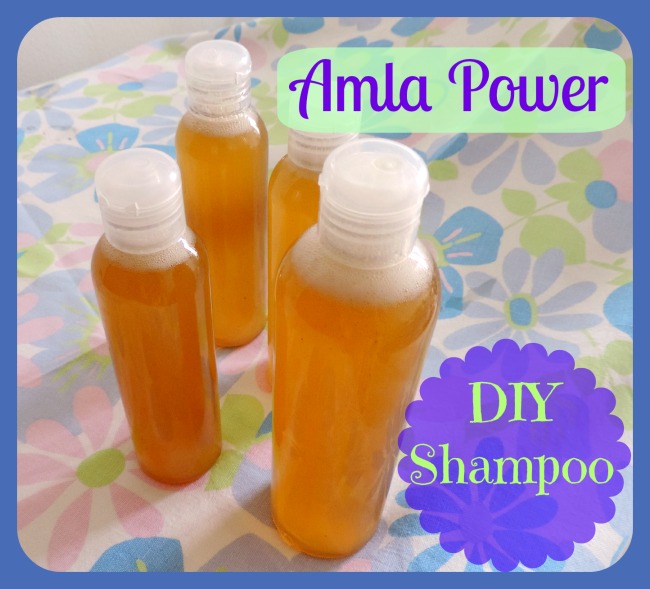
Final Verdict: It smells incredible—like a spicy tea for your head! My hair felt strong and the scalp felt “awake.” Just remember to shake it if the Amla starts to settle!

Amla Power Shampoo


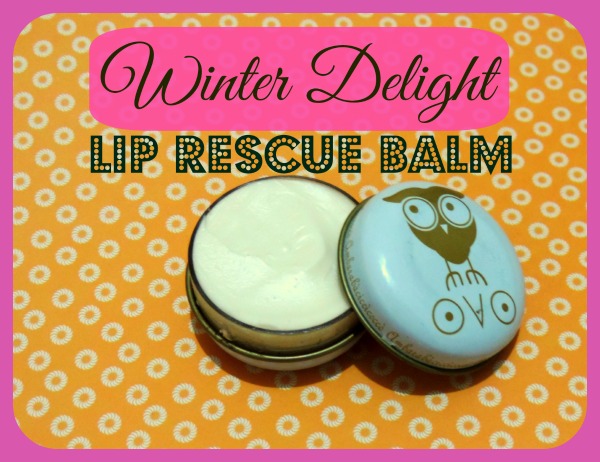
Winter Delight – Lip Rescue Balm

LAB NOTES & SAFETY NOTICE
For educational purposes only. Content reflects personal, non-professional formulation experiments and is not instructional.
No formula or information on this site is intended for commercial use, consumer application, or third-party use.
Accessing this content means you accept all risks and full responsibility for safety, testing, legal compliance, and outcomes.
[Full Legal Disclaimer & Safety Requirements]

Hello there I AM BACK! 😀

winterdelight

Lab Note: The “Winter Delight” Lip Rescue (Lola’s Recipe!)

Hello Hello! 😀 Today I am sharing what is truly the best lip balm recipe I have ever tried. This isn’t my invention—it was created by Lola, the founder of the forum where I learned so much of my formulation knowledge! I’ve been making this for over two years, so it is very well tested.

The Hydration Secret

Most lip balms are 100% oil and wax. We always hear that “Shea butter hydrates,” but actually, it doesn’t! 😀 Oils create a layer that stops water from leaving, but they don’t add any new water. Eventually, your lips still end up dry.

What makes this recipe special? It actually contains a water phase! By adding honey and glycerin, we are finally giving the lips real hydration. And the best part? The ingredients are extremely easy to find!

The Formula: Winter Delight

Oil Phase:

  • Beeswax: 20.0 (Use yellow virgin wax for the best scent! :D)
  • Rice Bran Oil: 45.0
  • Tocopheryl Acetate (Vitamin E): 10.0
  • Vanillin: A tiny pinch (for that amazing aroma)

Water Phase:

  • Glycerin: 5.0
  • Honey: 20.0

Phase C:

  • Sweet Orange Essential Oil: 5 drops
  • [NEW 2026 UPDATE]: A lip-safe preservative (see notes below!)

Notes from my Beaker: The “Drop-by-Drop” Method

  1. Modified Cold Cream: This recipe doesn’t use a traditional emulsifier. Instead, it uses the “mechanical” method. I heated the oil phase and water phase separately.
  2. Patience is Key: Once the wax melted, I started adding the water phase DROP BY DROP into the oil. I had to stir constantly for about 30 minutes!
  3. The Goal: I am trying to create tiny water droplets that get “trapped” and held in place as the beeswax cools and solidifies.
  4. Spoon vs. Mixer: I tried using a mini-mixer this time, but it created too many bubbles (making it look very white). A simple spatula or spoon actually works better for a creamy, stable result. Lesson learned! 😀
  5. Add the PRESERVATIVE
  6. The Scent: The mix of honey, vanillin, and sweet orange is absolutely IRRESISTIBLE.

⚠️ SAFETY UPDATE: A Note on Preservatives

In the original version of this post, I mentioned that this recipe doesn’t need a preservative because the high sugar in the honey and the glycerin “occupy” the water. While that chemistry is true, I have updated my lab practice! Because we use our fingers to apply this from a tin, it’s very easy to introduce bacteria. For 100% peace of mind, I now strongly recommend adding a lip-safe or food-grade preservative. Safety first for those beautiful lips! 😀

Final Verdict: This is a creamy balm, so it won’t work in a twist-up stick—keep it in a little tin. It’s a total lifesaver for winter. ENJOY! 😀 😀 😀

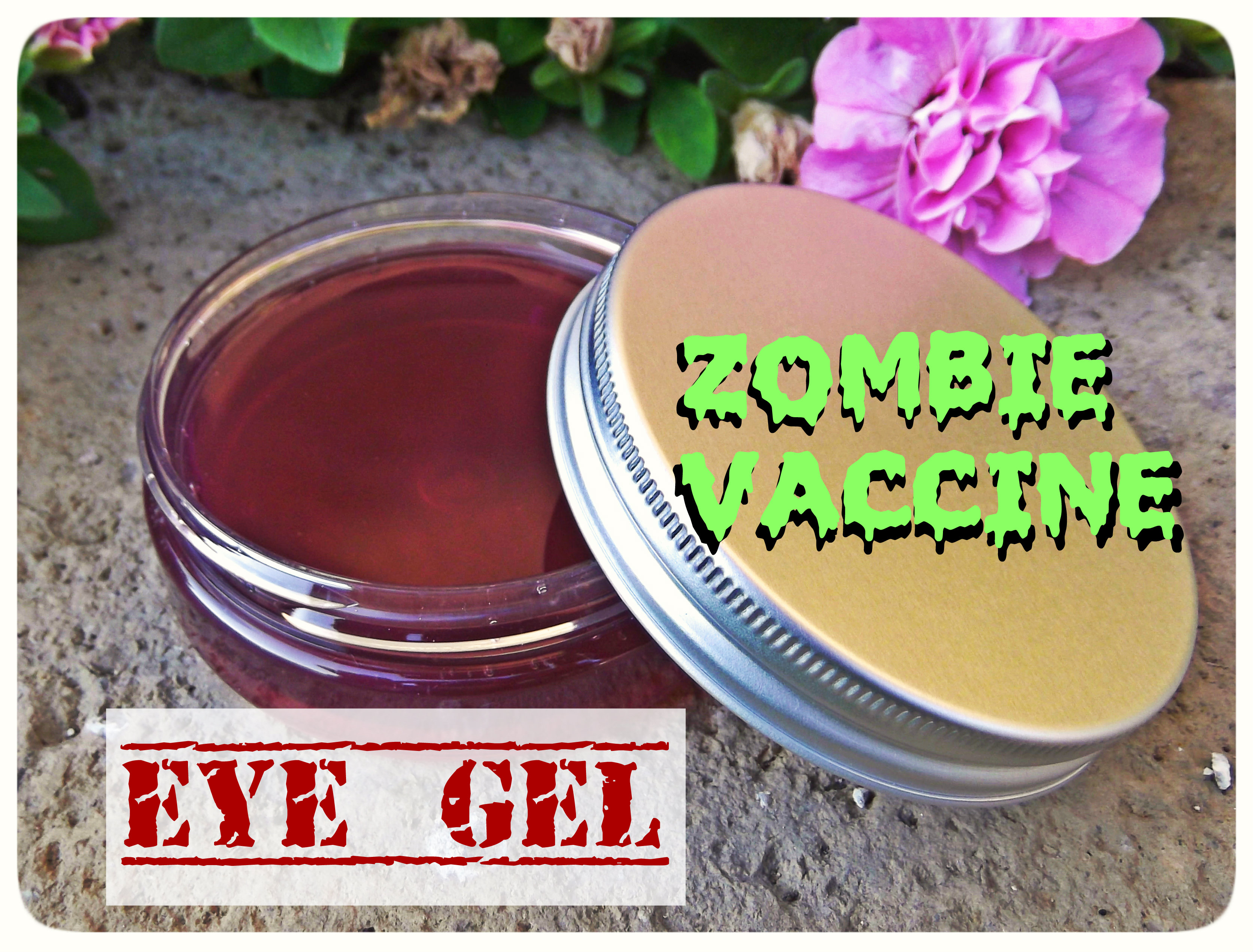
Zombie Vaccine – Lifting Eye Gel ;)

LAB NOTES & SAFETY NOTICE
These are personal experiments for educational use only— not instructions and not for commercial or consumer use. By proceeding, you assume all risks related to safety, testing, and regulatory compliance.
[Full Legal Disclaimer & Safety Requirements]

ZOMBIE VACCINE 2

ZOMBIE VACCINE 3

Lab Note: The “Zombie Vaccine” Eye Serum-Gel

Hello Hello! 😀 Who doesn’t look like a zombie in the morning? (Okay, maybe you don’t… but I definitely do!). I saw the name “Zombie Vaccine” on a coffee cup once and I knew I had to steal it for this lifting eye serum.

I’m calling this a serum because it’s made of 100% active ingredients! There are no fillers here—just pure hydration and “wake-up” magic for that delicate eye area. yeheee!

The Active Duo:

  • Caffeine: The ultimate “double espresso” for your face. It helps stimulate microcirculation to fight puffiness and those dark zombie circles.
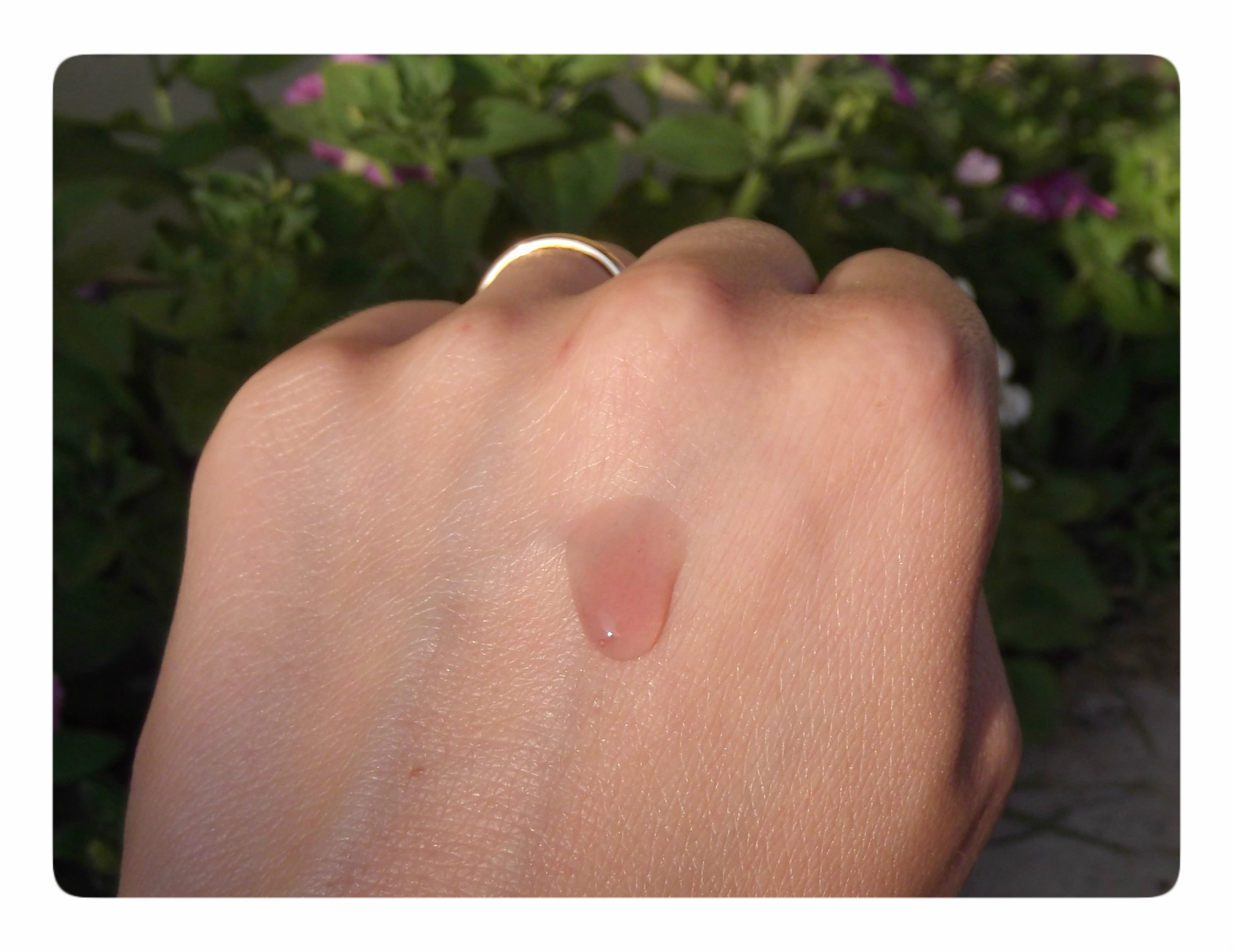
  • Sodium Hyaluronate: This is the salt form of Hyaluronic Acid. Just 1 gram is enough to turn this liquid into a beautiful, thick gel. It gives a slight “lifting” effect as it dries, while pulling hydration deep into the skin.

The Formula: Zombie Vaccine

  • Water: to 100
  • Rose Water: 30.0 (Soothing and smells like a dream)
  • Glycerin: 3.0
  • Sodium Hyaluronate: 1.0 (The gelling agent)
  • Blueberry Powder Extract: 0.3 (Antioxidant power!)
  • Caffeine: 2.0 (The anti-puffiness hero)
  • Preservative (Cosgard): 1.0

Notes from my Beaker:

  1. The Caffeine Challenge: Caffeine can be a bit of a diva. I mixed the water, rose water, glycerin, and caffeine together and heated it very slowly, stirring constantly. You have to make sure it’s fully dissolved—and then I prayed it wouldn’t crystallize into needles as it cooled down! 😀 (Luckily, it stayed smooth).
  2. The “No-Stir” Gelling: Once the liquid was completely cool, I added the preservative and the blueberry extract. Then came the Sodium Hyaluronate. I just poured it on top and did not stir.
  3. The Waiting Game: I covered the beaker with plastic wrap and walked away. I gave it a tiny mix after a few hours, but mostly I just let it sit. It takes about a day and a half for the Hyaluronate to fully hydrate into a clear, thick gel.
  4. pH Check: I checked the pH and it was a neutral 7.0. Since it’s for the eyes, I left it right there!

Final Verdict: This serum is so refreshing in the morning! It’s light, it’s cold, and it really helps “tighten” things up so I look a bit more human and a bit less zombie. ENJOY! 😀 😀 😀