How to Formulate a Solid Shampoo

LAB NOTES & SAFETY NOTICE
For educational purposes only. Content reflects personal, non-professional formulation experiments and is not instructional.
No formula or information on this site is intended for commercial use, consumer application, or third-party use.
Accessing this content means you accept all risks and full responsibility for safety, testing, legal compliance, and outcomes.
[Full Legal Disclaimer & Safety Requirements]

Hello everyone! 🙂

Today I talk about how to formulate a Solid Shampoo.

Solid Shampoo (10)

Solid-State Detergent Theory (The Syndet Bar)

In this experimental session, I documented the formulation of a Solid Shampoo Bar. It is crucial to categorize this product as a Syndette, not a soap. While traditional soaps are produced through saponification, a Syndet is engineered using concentrated surfactants. My research objective was to manage the “Active Surfactant Matter” (ASM) to create a product that is both structurally solid and dermatologically mild.

The Formulation Challenge: Aggression vs. Concentration

A solid shampoo typically contains a massive surfactant load (55%–85%). While this makes the bar highly effective and travel-friendly, it presents two major hurdles for the formulator:

  1. Production Cost: The raw material cost of concentrated surfactants is significantly higher than the fats used in soap-making.
  2. Potential Irritancy: With such high active matter, the risk of skin aggression is extreme.

The Technical Strategy: Surfactant “Taming”

To mitigate the aggression of the ionic surfactants, I utilized two sophisticated strategies in my lab:

  • Complexation: Instead of a single surfactant, I created a “cocktail” of SLSA, SCI, and SCS. Mixing different surfactant head-groups creates smaller, milder micelles.
  • Incompatibility Theory: I intentionally introduced a Cationic Surfactant (Behentrimonium Chloride) into an Anionic system. While these are technically “incompatible,” the resulting interaction in a solid state significantly reduces the harshness of the wash.

Experimental Formula: Case Study #SYNDET-BAR-01

PhaseComponent% / gramsFunction
ASLSA / SCI / SCS35.0 / 10.0 / 10.0Primary Powder Surfactants
ACocamidopropyl Betaine20.0Amphoteric “Buffer” (Liquid)
BCocoa Butter / Argan Oil7.0 / 3.0Lipid Refatting Agents
BBehentrimonium Chloride10.0Cationic Conditioning Agent
BCetearyl Alcohol3.0Structural Rheology Modifier
CFragrance Oil / Preservative1.5 / 0.5Aesthetics & Protection

Processing & Thermal Observations

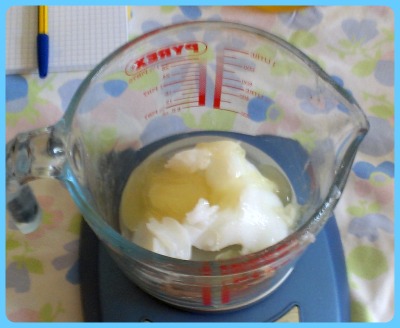
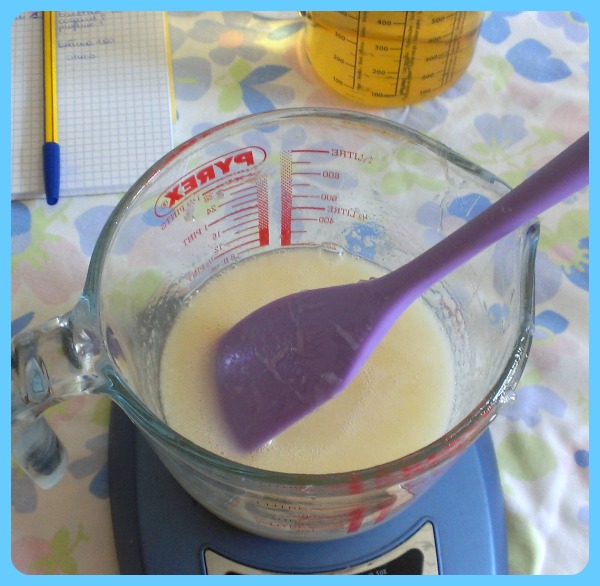
  1. The Melting Challenge: Melting pure powder surfactants is an arduous process. I’ve documented that the water content in the Cocamidopropyl Betaine (Phase A) acts as a necessary solvent to facilitate the transition to a paste.
  2. Phase B Integration: I melted the butters, cationic conditioner, and cetearyl alcohol together. For future batches, I would recommend melting Phase B separately before adding it to the surfactant “cauldron” to ensure a smoother homogenization and a faster workflow.
  3. Thermal Sensitivity: The “soapy paste” was allowed to cool to 35°C before integrating the fragrance and preservative to ensure their efficacy wasn’t compromised by the heat required to melt the SCI.
  4. Setting & Curing: I utilized a Freezer-Set method for quick unmolding. However, I’ve noted that a 48-hour “drying” or curing period is required at room temperature to allow the bar to reach its final structural hardness.

Researcher Summary & Sensory Evaluation

The final bar exhibited excellent “wetting” ability and produced a sophisticated, dense lather of small bubbles.

Critical Refinement: Despite the high surfactant load, the 10% lipid phase (butters/oils) resulted in a slightly “waxy” after-feel on the hair. In my next experimental iteration, I will reduce the total lipid load to 5-7% to increase the “cleansing clarity” of the formula while maintaining enough emollience to keep the bar mild.

No-Drandruff Shampoo

LAB NOTES & SAFETY NOTICE
For educational purposes only. Content reflects personal, non-professional formulation experiments and is not instructional.
No formula or information on this site is intended for commercial use, consumer application, or third-party use.
Accessing this content means you accept all risks and full responsibility for safety, testing, legal compliance, and outcomes.
[Full Legal Disclaimer & Safety Requirements]

No-dandruff Shampoo 8

Lab Note: My “No Dandruff” Scalp-Calming Shampoo

Hello Hello! 😀 Today I am tackling something that is usually so annoying to deal with: dandruff! I got tired of the shampoos from the supermarket because they are so aggressive—they might kill the fungus, but they leave the scalp red and the hair feeling like straw. No thanks! 😛

I wanted to make a “Smart Shampoo.” Something that uses a real antifungal active but surrounds it with ingredients that actually soothe the skin and protect the hair.

The “Clear Scalp” Strategy:

The hero of my formula is Piroctone Olamine. Unlike the “Zinc” stuff you find in cheap shampoos, Piroctone Olamine is much more elegant—it’s very effective against the Malassezia fungus but it’s gentle. I also added Salicylic Acid to help “sweep away” the dead skin cells so the scalp can breathe again!

The Formula for my Experiment:

Phase A:

  • Water to 100

  • Glycerin 2

  • Polyquaternium-10 – 0.3 (This is a “conditioning” polymer—it helps the hair stay smooth even in a treatment shampoo!)

Phase B (The Cleansing Base):

  • Sodium Lauroyl Sarcosinate – 15 (My favorite “soft” surfactant!)

  • Cocamidopropyl Betaine – 10

  • Coco-Glucoside – 5

  • Piroctone Olamine – 0.5 (The antifungal powerhouse!)

Phase C (The Calming Touch):

  • Salicylic Acid – 0.5 (I pre-dissolved this in the surfactants to make sure it didn’t stay “gritty”!)

  • Panthenol – 1 (To soothe the itchy scalp)

  • Preservative (According to my lab’s type)

  • Fragrance (I used Tea Tree and Lavender—Tea Tree helps the “No Dandruff” mission, and Lavender makes it smell like a spa! :D)

  • Lactic Acid (To reach pH 5.5)


Notes from my Beaker:

  1. The Dissolving Trick: Piroctone Olamine and Salicylic Acid can be a bit stubborn. I found that if I mix them into the surfactant blend (Phase B) before adding the water, they dissolve much more easily. No one wants “grains” in their shampoo!

  2. The pH is Critical: For Piroctone Olamine to be happy and stable, the pH needs to be around 5.5. If you go too low or too high, it might not work as well.

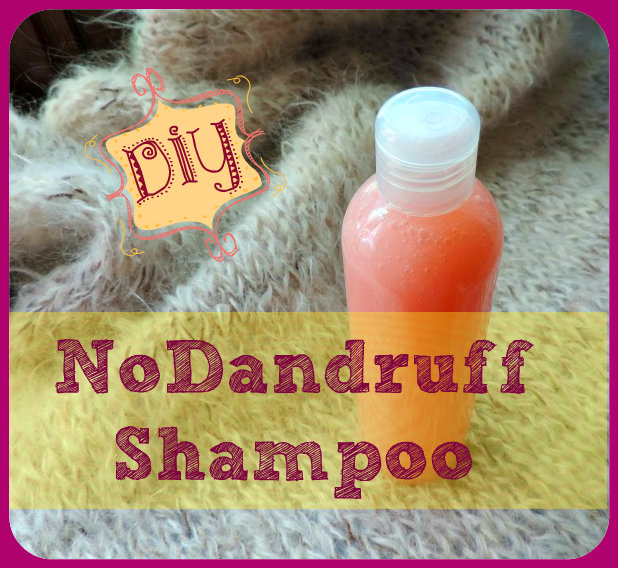
  3. The Color: I left this one clear because I love how clean it looks. Without all the “fake blue” dyes of commercial shampoos, it looks so much more professional.

  4. How I used it: Since this has an active medicine in it, I don’t just rinse it off immediately. I leave it on my scalp for about 3 minutes while I sing a song, then rinse! yeheee! 😀

Final Verdict: I don’t suffer of dandruff much but of itchiness sometimes I do, and this helped a lot 🙂

No-dandruff Shampoo 6

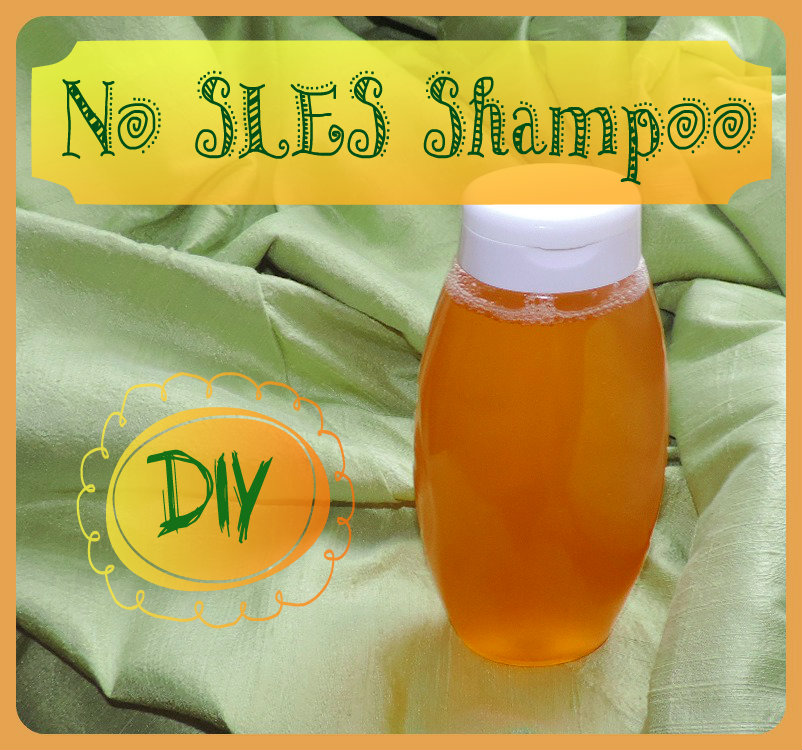
No SLES Shampoo DIY

LAB NOTES & SAFETY NOTICE
For educational purposes only. Content reflects personal, non-professional formulation experiments and is not instructional.
No formula or information on this site is intended for commercial use, consumer application, or third-party use.
Accessing this content means you accept all risks and full responsibility for safety, testing, legal compliance, and outcomes.
[Full Legal Disclaimer & Safety Requirements]

No Sles Shampoo

Non-Ionic Formulation — Glucoside-Based Scalp Therapy

In this session, I documented a SLES-Free (Sodium Laureth Sulfate-Free) shampoo. While SLES is a gold standard for wetting and foaming performance, it can be overly aggressive for certain scalp conditions or thinning hair. My research objective was to design a formula using Alkyl Polyglucosides (APGs) to prioritize scalp health and minimize irritation.

The Technical Rationale

  1. Surfactant Selection (The APG Blend): I utilized a combination of Lauryl, Decyl, and Coco Glucoside. These are non-ionic surfactants derived from renewable raw materials (sugar and fatty alcohols).
    • Mechanism: APGs are known for being exceptionally mild and readily biodegradable. However, they lack the “detangling” slip of anionics, which I addressed by integrating conditioning agents.
  2. Volumizing & Conditioning: * Epsom Salts (Magnesium Sulfate): Included at 1% to provide “body” and volume to the hair fibers.
    • Polyquaternium-7 (1%): A cationic conditioning polymer. This is a critical addition to a glucoside shampoo; it provides the necessary “slip” and prevents the “nesting” or tangling effect often associated with sulfate-free formulas.
  3. Protein Integration: Hydrolyzed Keratin (0.4%) was added to the aqueous phase to help temporarily reinforce the hair cuticle.

Experimental Formula: Case Study #GLUCO-MILD

Phase Component % / grams Function
A Distilled Water to 100 Solvent
A Glycerin 2.0 Humectant
A Magnesium Sulfate (Epsom Salts) 1.0 Volumizing Agent
A Hydrolyzed Keratin 0.4 Structural Protein
B Lauryl Glucoside 10.0 Primary Non-Ionic Surfactant
B Decyl Glucoside 6.0 Co-Surfactant
B Coco Glucoside & Glyceryl Oleate 3.0 Lipid Layer Enhancer
C Cocamidopropyl Betaine 10.0 Amphoteric “Buffer”
C Polyquaternium-7 1.0 Cationic Conditioner
C Preservative & Fragrance 1.0 / 0.5 Protection & Aesthetic

Processing & Rheological Observations

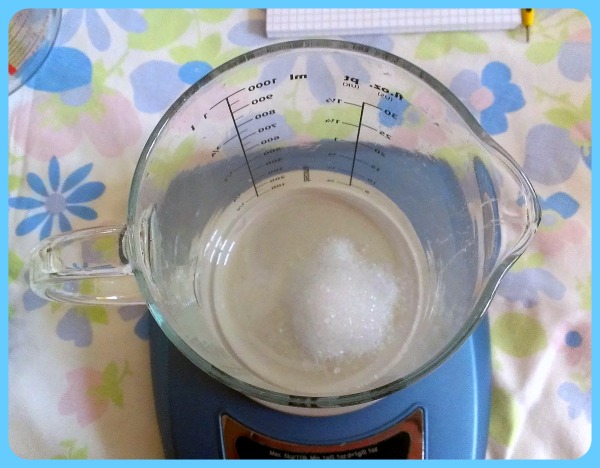
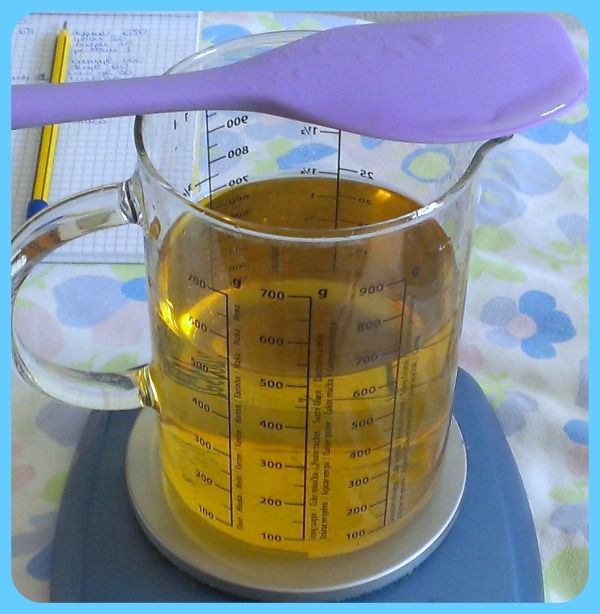
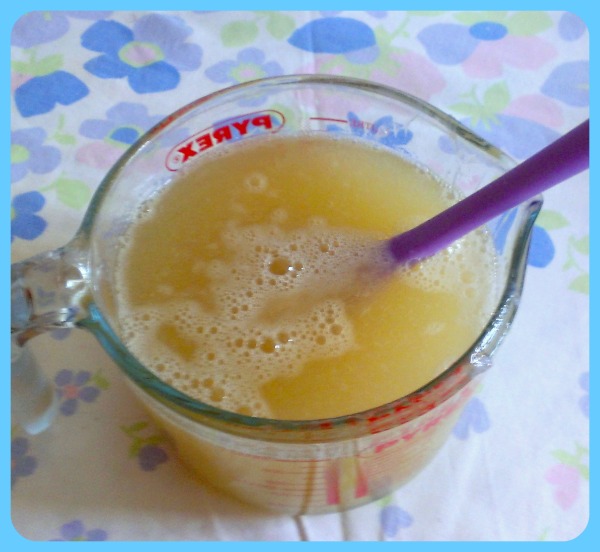
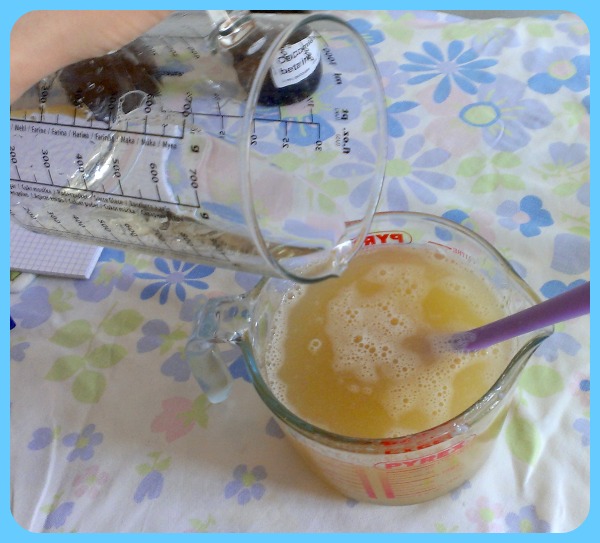
  1. Aqueous Preparation: Epsom salts and Keratin were dissolved in the water-glycerin base. The amber tint of the solution is a natural characteristic of the protein content.
  2. Thermal Processing of Lauryl Glucoside: Lauryl Glucoside is often a semi-solid paste at room temperature. In my lab, I’ve noted that Phase B must be heated gently (approx. 40°C) to achieve a clear, liquid state before integration.
  3. Viscosity Challenges: This formula results in a low-viscosity, liquid shampoo. While many formulators attempt to thicken APG systems with salt, glucosides do not respond to “Salt-Thickening” the same way SLES does. I chose to keep the viscosity low to facilitate easier spreading across the scalp.
  4. pH Calibration: The system was adjusted to pH 5.0. This is slightly more acidic than the skin’s average, which helps “close” the hair cuticle and enhance shine.

Researcher Summary

I liked this formula for scalp itchiness or sensitivity to traditional anionic surfactants. While the sensory experience differs from SLES—producing a different lather profile and requiring more effort to detangle.

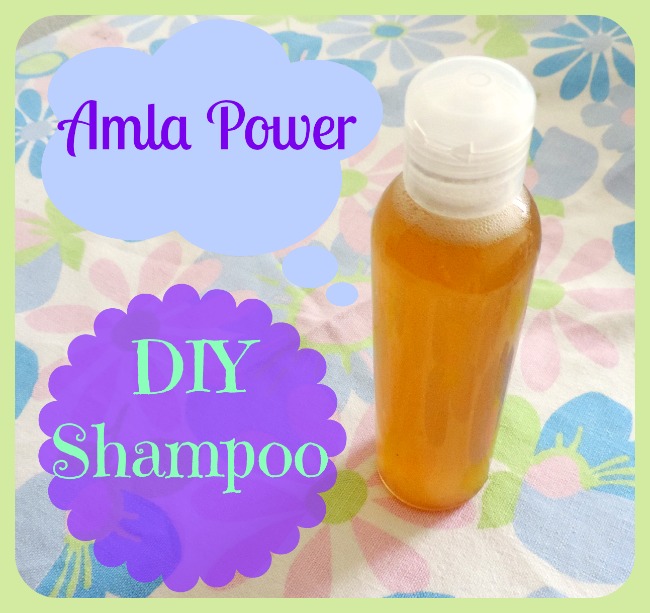
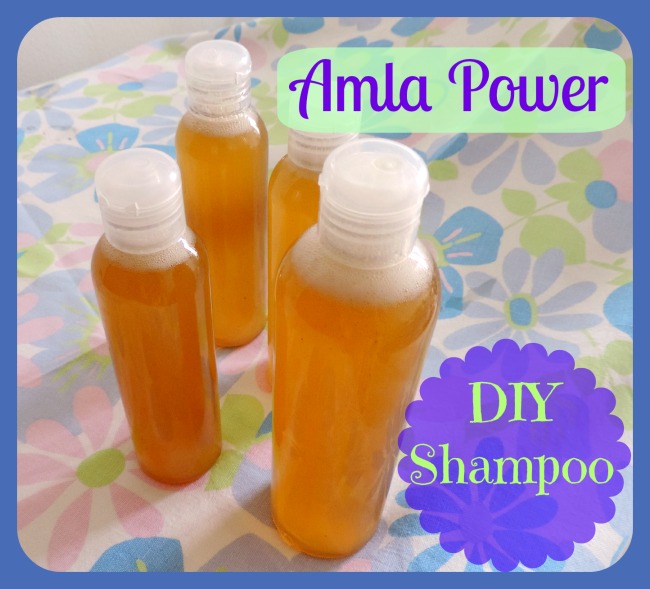
No Sles Shampoo 1

No Sles Shampoo 2

No Sles Shampoo 3

No Sles Shampoo 4

No Sles Shampoo 5

No Sles Shampoo 6

DIY Karma Shampoo (extra delicate!) & chat on betaine

LAB NOTES & SAFETY NOTICE
These are personal experiments for educational use only—not for commercial or consumer use. By proceeding, you assume all risks related to safety, testing, and regulatory compliance.
[Full Legal Disclaimer & Safety Requirements]

Hello everyone! 😀

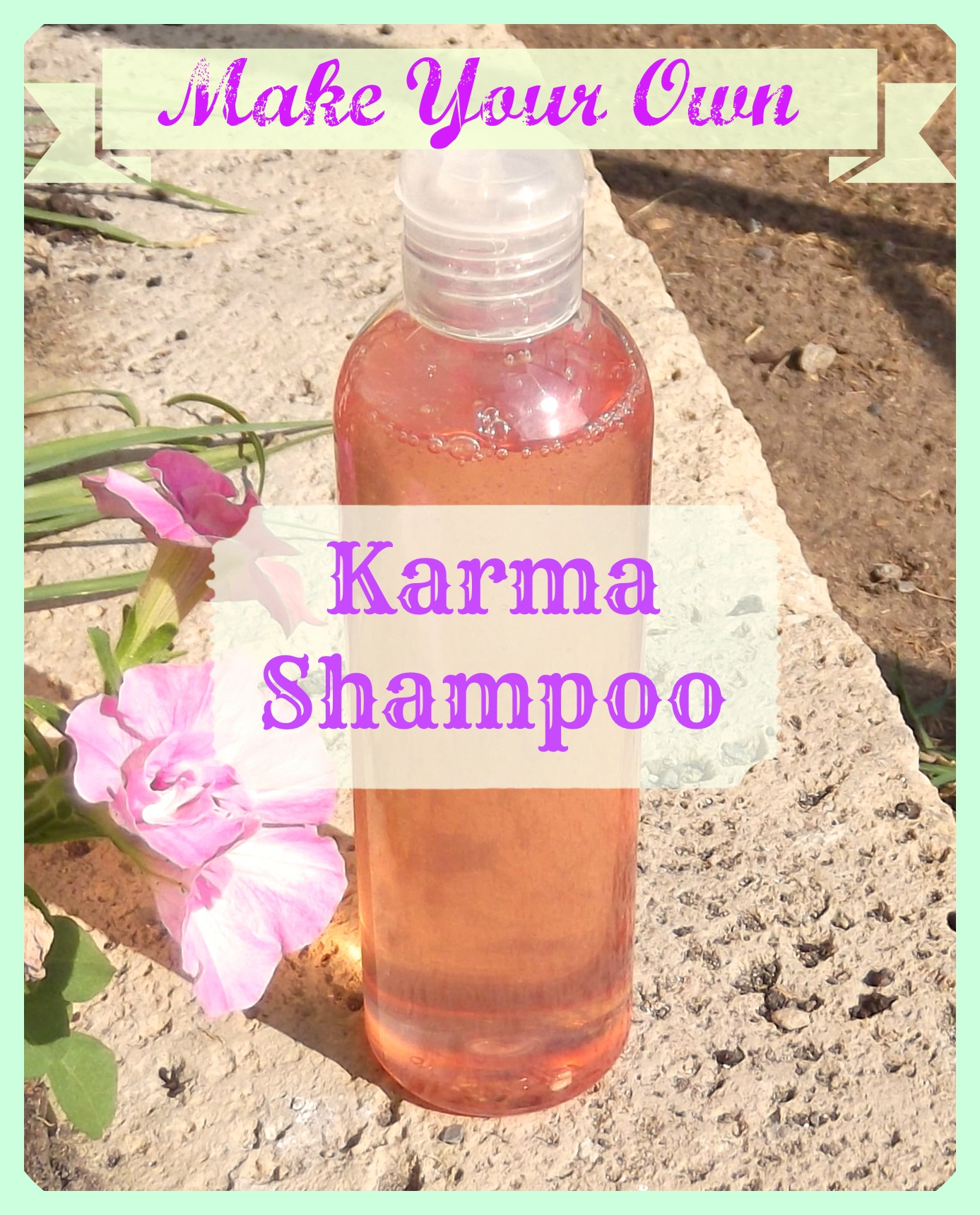
Make your own Karma Shampoo

Surfactant Mitigation — The “Karma” Shampoo Study

In this experimental session, I documented the “upgrade” of a traditional anionic shampoo base through the inclusion of Trimethylglycine (TMG), also known as Anhydrous Betaine. My research objective was to evaluate how TMG influences the irritancy potential of surfactants and its effect on the final rheology (thickness) of the batch.

The Technical Theory: Trimethylglycine (TMG)

TMG is a naturally occurring osmolyte originally discovered in sugar beets. Unlike the surfactant Cocamidopropyl Betaine, TMG is a small organic molecule used for biological protection.

  • Mitigation of Irritancy: In detergents, a 5% concentration of TMG significantly reduces the skin irritation potential of strong surfactants like SLES. It acts as a “buffer” between the surfactants and the skin’s proteins.

  • Conditioning & Texture: TMG provides a soft, “creamy” feel to the lather and helps stabilize the hair’s moisture levels through its osmotic properties.

  • Formulation Constraint: TMG is alkaline (basic) in solution. When formulating with pH-sensitive actives like Niacinamide or specific preservatives, the final pH must be carefully calibrated to avoid ingredient degradation.


Experimental Formula: Case Study #KARMA-TMG-01

Phase Component % / grams Function
A Distilled Water to 100 Solvent
A Glycerin 3.0 Humectant
A Inulin 1.0 Prebiotic / Detangler
A Trimethylglycine (TMG) 5.0 Osmoprotectant / Anti-irritant
A Hydrolyzed Wheat Proteins 3.0 Film-former / Strengthening
A Preservative q.s. Protection
B SLES (Sodium Laureth Sulfate) 25.0 Primary Anionic Surfactant
B Decyl Glucoside 3.0 Non-ionic Co-surfactant
B Coco Glucoside & Glyceryl Oleate 3.0 Lipid Layer Enhancer
B Fragrance Oil 0.5 Sensory Aesthetic
C Cocamidopropyl Betaine 10.0 Amphoteric / Viscosity Builder
C Polyquaternium-7 2.0 Cationic Conditioner

Processing Observations: The “Salt-Curve” Phenomenon

  1. Phase A Integration: The TMG and Wheat Proteins were fully dissolved in the aqueous phase. The presence of TMG provides a silky “slip” to the water before any surfactants are added.

  2. Surfactant Assembly: I prepared Phase B (the surfactant concentrate) separately. When Phase A was introduced into Phase B, the initial mixture was relatively low in viscosity (liquid).

  3. The Viscosity Trigger: Upon the addition of Cocamidopropyl Betaine (Phase C), a dramatic increase in viscosity was observed. This is due to the formation of “worm-like micelles”—a structural change where the surfactants reorganize into a thick, tangled network.

  4. Conditioning Load: Polyquaternium-7 was added dropwise at the end.

    • Critical Observation: Cationic polymers like Polyquat-7 can sometimes “crash” the viscosity if added too quickly or in excess. I monitored the thickness during addition to ensure the gel structure remained stable.

  5. pH Calibration: Given the alkalinity of TMG, the final batch required adjustment with Citric Acid to reach the target pH of 5.5, which is optimal for the hair cuticle and scalp health.


Researcher Summary

This formulation yields a highly conditioning, “professional-feel” shampoo with small, dense bubbles. The inclusion of TMG successfully transformed a standard SLES base into a more delicate and more skin-friendly cleanser (in my opinion). The hair showed improved combability and softness, likely due to the synergy between the Inulin and Polyquaternium-7.

Future Iteration: To increase the “eco-score” of the product, I may investigate substituting SLES with Sodium Lauroyl Sarcosinate, though I anticipate a significant change in the viscosity-building behavior of the Cocamidopropyl Betaine.

On Surfactants and Formulation (face wash, shampoo and shower gels)

LAB NOTES & SAFETY NOTICE
These are personal experiments for educational use only— not instructions and not for commercial or consumer use. By proceeding, you assume all risks related to safety, testing, and regulatory compliance.
[Full Legal Disclaimer & Safety Requirements]

The ASM Protocol — Quantitative Detergent Design

In surfactant chemistry, we do not formulate based on the “volume of the bottle” but on the Active Surfactant Matter (ASM). Since raw surfactants are sold as aqueous solutions (e.g., 30% active matter and 70% water), we must calculate the true concentration of the “cleaning” part of the molecule to ensure safety and efficacy.

1. The ASM Target Reference

Before calculating, I define the target ASM based on the physiological needs of the area being cleansed. High ASM provides more “bubbles” and stripping power, while low ASM preserves the lipid barrier.

Product Type Target ASM Range Formulation Goal
Face / Intimate Wash < 10% Ultra-delicate; avoids stripping the acid mantle.
Shampoo 10% – 15% High wetting ability; removes sebum/styling products.
Shower Gel 15% – 20% Standard body cleansing; good foam volume.
Bubble Bath 20% – 25%+ Maximum foam stability; not intended for direct skin contact.

2. The Mathematical Approach: Solving for ASM

I utilize two primary methods in the lab to reach my target (e.g., a 18% ASM Shower Gel).

Method A: Quota Division (Precise)

I decide exactly what “share” each surfactant contributes to the total 18% and solve for the grams needed.

  • Sarcosinate (29% ASM): Quota 10% $\div 0.29 = 34.48g$

  • Betaine (36% ASM): Quota 5% $\div 0.36 = 13.88g$

  • Lauryl Glucoside (52% ASM): Quota 3% $\div 0.52 = 5.76g$

  • Total ASM = 18%

Method B: Gram Estimation (Iterative)

I estimate the grams first and check the result against the target.

  • $40g \text{ Sarcosinate} \times 0.29 = 11.6$

  • $15g \text{ Betaine} \times 0.36 = 5.4$

  • $5g \text{ Lauryl Glucoside} \times 0.52 = 2.6$

  • Total ASM = 19.6% (Adjust grams downward to reach 18%).


3. Raw Material Profiles & Behavioral Notes

  • Sodium Lauroyl Sarcosinate (Anionic – 29%): Eco-friendly and creamy.

    • Processing Note: Viscosity is highly dependent on a pH of 5.0. It is sensitive to oils and fragrances, often requiring Xanthan Gum for stabilization.

  • Cocamidopropyl Betaine (Amphoteric – 30-38%): The “Buffer.”

    • Behavior: When paired with Anionics (like SLES), it creates a salt-thickening curve. It significantly reduces the irritation potential of harsher surfactants.

  • Lauryl Glucoside (Non-Ionic – 52%): A thick, cloudy paste.

    • Behavior: Excellent for thickening and skin-mildness, but requires gentle heating ($40^\circ\text{C}$$50^\circ\text{C}$) to become workable.

  • Disodium Cocoamphodiacetate (Amphoteric – 38%): The “Baby” surfactant.

    • Behavior: Does not trigger the ocular sting reflex; ideal for “no-tears” formulations.


Researcher Summary

Calculating ASM is the only way to ensure reproducibility in the lab. By mastering this math, I can hopefully swap one surfactant for another (e.g., replacing SLES with a more eco-friendly Sarcosinate) while maintaining the exact same “strength” of the detergent.

How to formulate a detergent – THEORY pt.2

LAB NOTES & SAFETY NOTICE
These are personal experiments for educational use only— not instructions and not for commercial or consumer use. By proceeding, you assume all risks related to safety, testing, and regulatory compliance.
[Full Legal Disclaimer & Safety Requirements]

How to formulate a detergent

Surfactant Assembly — Viscosity & Phase Logic

Formulating a detergent is more than just hitting an ASM target; it is about managing micellar structure to create a product that feels professional and performs predictably. My research focus here is on Viscosity Builders and the Order of Addition.

1. The Hierarchy of Delicacy

A single-surfactant system is almost always harsher than a complex blend. To optimize for skin-biocompatibility, I utilize the Trio-Strategy:

  • Primary (Anionic/Non-Ionic): The main “cleaning” engine (e.g., SLES or Sarcosinate).

  • Secondary (Amphoteric): Specifically chosen to “buffer” the primary surfactant and reduce irritation (e.g., Cocamidopropyl Betaine).

  • Aesthetics (Non-Ionic): Added in low dosages to refine the lather profile and provide refatting properties (e.g., Glyceryl Oleate).

2. The Rheology (Thickening) Challenge

Viscosity is psychologically linked to quality. However, many mild surfactants are “thin” by nature. I have documented three reliable methods for building “body” in a detergent:

  • The Salt-Curve (SLES + Betaine + NaCl): Anionic SLES becomes extremely dense when electrolytes (salt) are added, as the salt forces the micelles to pack tighter.

  • The pH Trigger (Sarcosinate + pH 5): Sodium Lauroyl Sarcosinate undergoes a structural change at pH 5.0, becoming significantly thicker.

  • Polymeric Support (Xanthan/Synthetic): If the surfactants fail to thicken naturally, I utilize Xanthan Gum (<1%) in Phase A or a synthetic acrylate like Tinovis GTC in Phase C to adjust the flow.


3. Standard Laboratory Phase Assembly

In my formulation trials, the order of addition is critical to preventing “phase crashing” or permanent cloudiness.

Phase A: The Aqueous Foundation

  • Components: Water, Glycerin (humectant), and hydrophilic thickeners.

  • Protocol: Ensure any gums (Xanthan) are fully hydrated before proceeding. This is where I integrate water-soluble colorants and preservatives.

Phase B: The Surfactant Concentrate

  • Components: Primary Anionic and Non-Ionic surfactants.

  • Protocol: Mix slowly to avoid “foaming out” the beaker. I often incorporate fragrance oils and lipophilic preservatives here, as the concentrated surfactants help solubilize them.

Phase C: The Viscosity Trigger

  • Components: Amphoteric Surfactants (Betaine), Conditioning agents, and pH adjusters.

  • Protocol: Slowly pour Phase A into Phase B, mixing manually with a spatula. The addition of the amphoteric surfactant in this final phase often triggers the “thickening moment.”


Researcher Summary

Detergent formulation is a game of patience. High-shear mixing (like an immersion mixer) should be avoided to prevent air entrapment, which creates a “cloudy” look. If the detergent is thin, it still cleans—but a thick, glossy gel provides the sensory experience that users associate with luxury.

How to formulate a detergent – THEORY pt. 1

How to formulate a detergent

LAB NOTES & SAFETY NOTICE
These are personal experiments for educational use only— not instructions and not for commercial or consumer use. By proceeding, you assume all risks related to safety, testing, and regulatory compliance.
[Full Legal Disclaimer & Safety Requirements]

Surfactant Theory — The Chemistry of Cleansing

At the heart of every liquid cleanser—from a delicate face wash to a robust bubble bath—lies the Surfactant (Surface Active Agent). These molecules are amphiphilic, meaning they possess a “water-loving” (hydrophilic) head and an “oil-loving” (lipophilic) tail. This unique structure allows them to lift oils and debris from the skin so they can be rinsed away with water.

1. The Four Groups of Surfactants

Surfactants are categorized by the electrical charge of their hydrophilic head when in an aqueous solution. This charge dictates how the ingredient interacts with skin and hair.

  • Anionic (-): Negative charge. These are the “powerhouses” of cleansing and foaming.

    • Examples: SLES, Sodium Lauroyl Sarcosinate.

  • Cationic (+): Positive charge. Because hair is negatively charged, these “stick” to the hair shaft, providing conditioning rather than cleansing.

    • Examples: Cetrimonium Chloride.

  • Non-Ionic (0): No charge. Very mild and stable; excellent foam stabilizers.

    • Examples: Decyl Glucoside, Lauryl Glucoside.

  • Amphoteric (+/-): Charge depends on the pH. These are the “buffers” of the lab, used to reduce the irritancy of anionics.

    • Examples: Cocamidopropyl Betaine.


2. The Concept of “Active Matter”

A common point of confusion in home formulation is assuming raw surfactants are 100% pure. In reality, liquid surfactants are sold as solutions containing the active molecule and water.

The ASM Coefficient: This is the percentage of “pure surfactant” in the product you buy. For instance, standard SLES usually has an ASM of 27%. To formulate accurately, we must calculate the total ASM of the final product.

Formula Strength Hierarchy: Based on my lab trials, the target total ASM should match the physiological sensitivity of the area:

  • Intimate Wash: ~5% ASM

  • Face Wash: <10% ASM

  • Shampoo: 10% – 15% ASM

  • Shower Gel: 18% – 20% ASM

  • Bubble Bath: 20% – 25% ASM (High concentration for dilution in bathwater).


3. The Synergy Rule: Milder Together

A critical discovery in my research is that synergy reduces irritancy. Using 12% ASM of a single surfactant (like SLES) is significantly harsher than using a 12% ASM blend of three different surfactants.

The Professional “Trio” Blend:

  1. Primary Surfactant (Anionic/Non-Ionic): Provides the bulk of the cleaning power.

  2. Amphoteric Buffer: Softens the primary surfactant (e.g., SLES + Betaine).

  3. Aesthetic Boosters: Small percentages of extra surfactants to refine foam density or skin-feel.


Researcher Summary

Understanding surfactant charges and ASM math is the difference between an “accidental” detergent and a “designed” cosmetic. By layering different charges, we can create a product that cleans effectively while keeping the skin barrier intact.

Self note: Always check the technical data sheet from your supplier for the exact ASM of your batch, as this can vary between 27% and 30% for the same ingredient!