DIY Karma Shampoo (extra delicate!) & chat on betaine

LAB NOTES & SAFETY NOTICE
These are personal experiments for educational use only—not for commercial or consumer use. By proceeding, you assume all risks related to safety, testing, and regulatory compliance.
[Full Legal Disclaimer & Safety Requirements]

Hello everyone! 😀
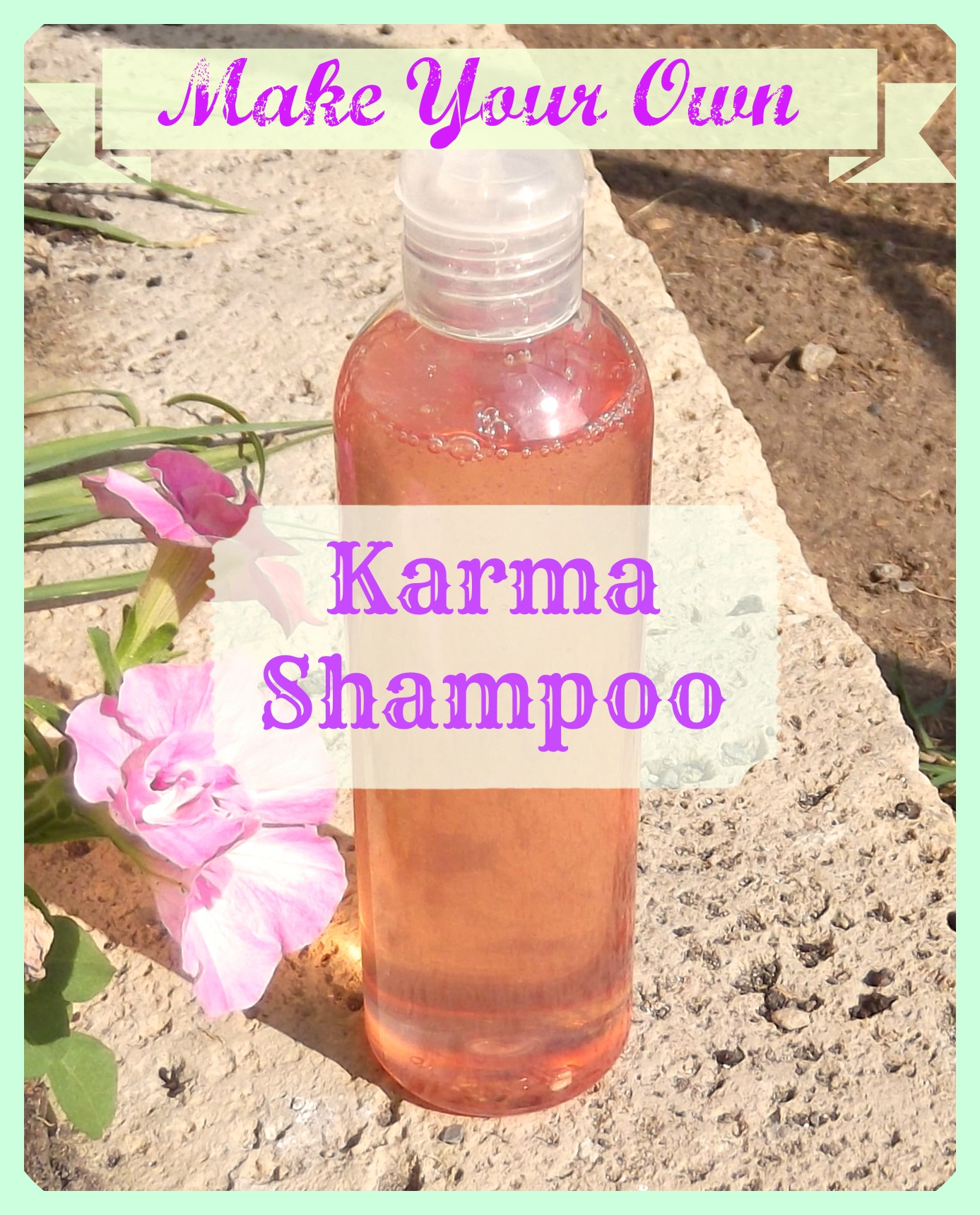
Make your own Karma Shampoo

Hello Hello! 😀 Today I’m sharing my experiment with a formula that is all about finding the perfect “Karma” for my hair. I know I’ve been experimenting with a lot of sulfate-free stuff lately, but sometimes you just want that really deep, satisfying clean that only SLES can give—especially if you’ve been using a lot of hairspray or if your hair just feels “heavy.”

The challenge I set for myself was: Can I use SLES but make it feel like a high-end, expensive boutique shampoo instead of something harsh?

The secret is all in the TMG (Trimethylglycine). (Trimethylglycine). I didn’t just want bubbles; I wanted protection. TMG is an anhydrous betaine that is a total powerhouse for hydration. Adding it to a SLES base is a game-changer because it helps protect the scalp and hair from the drying effects of the surfactants. It’s like giving your hair a big drink of water while you clean it!

The Formula

Phase A:

  • Water: to 100

  • Glycerin: 3

  • Guar Hydroxypropyltrimonium Chloride: 0.2

Phase B:

  • Sodium Laureth Sulfate (SLES): 25

  • Cocamidopropyl Betaine: 10

  • Coco-Glucoside: 5

  • TMG (Trimethylglycine): 3

Phase C:

  • Hydrolyzed Wheat Protein: 1

  • Panthenol: 0.5

  • Preservative: (According to my usual lab choice)

  • Fragrance Oil: (Karma type scent)

  • Citric Acid: (To reach pH 5.5)

  • Salt (Sodium Chloride): (A pinch to thicken)

My notes from the experiment:

The best part was watching the texture change. When I started adding the Citric Acid to bring the pH down to 5.5, and then just a tiny pinch of salt at the very end, the shampoo turned into this gorgeous, thick “honey” consistency. It’s so satisfying to pour!

The result is exactly what I wanted. You get those huge, fluffy bubbles that everyone loves, but when you rinse it off, your hair doesn’t feel like “straw.” It feels clean, bouncy, and smells like a L**h dupe 😀 . It just goes to show that with the right balance, even the “strong” ingredients can have great Karma! ENJOY! 😀

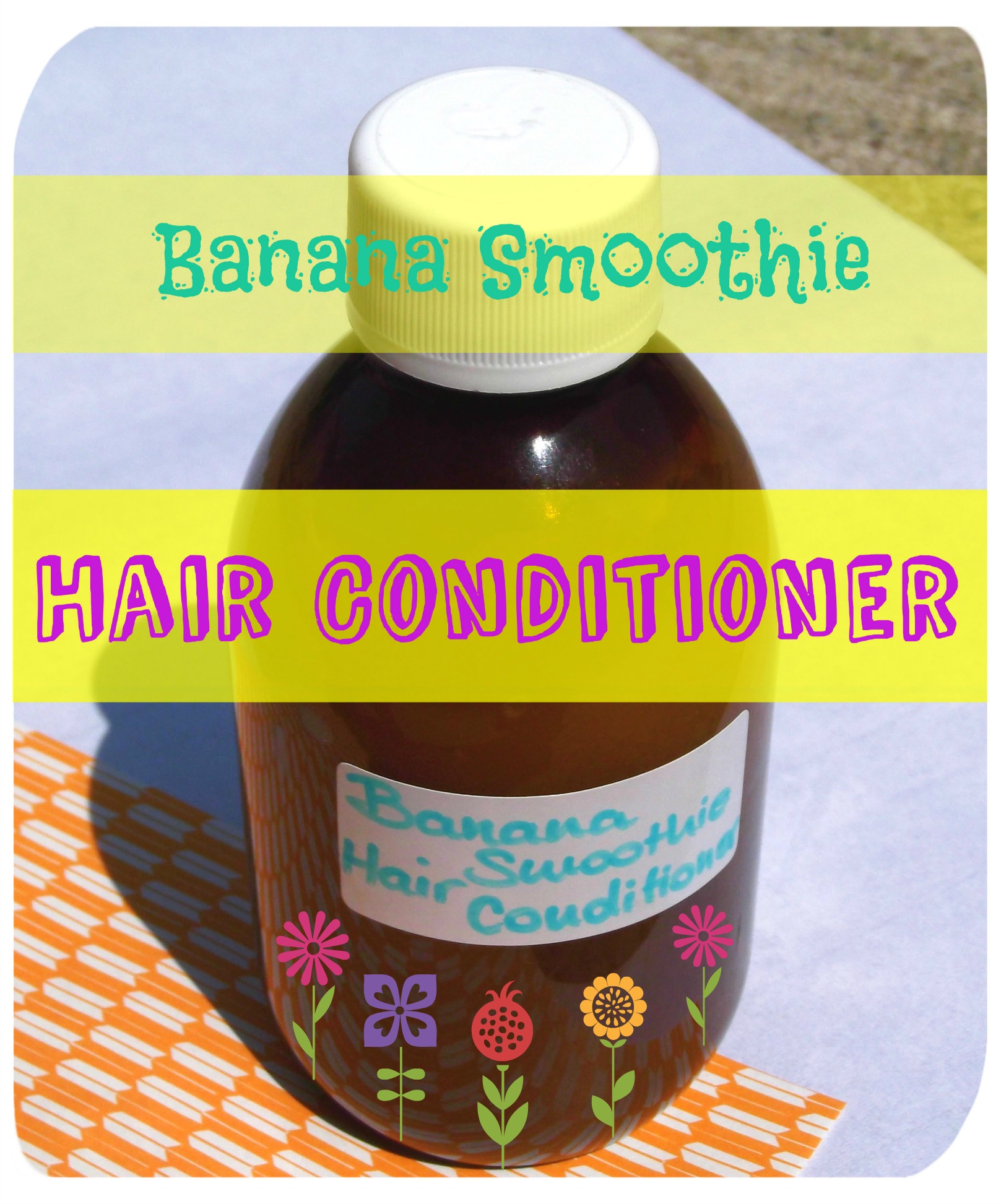
Banana Smoothie – Hair Conditioner (with Cetrimonium Chloride)

Bananasmoothie2

LAB NOTES & SAFETY NOTICE
These are personal experiments for educational use only—not for commercial or consumer use. By proceeding, you assume all risks related to safety, testing, and regulatory compliance.
[Full Legal Disclaimer & Safety Requirements]

Lab Note: My “Banana Smoothie” Hair Conditioner

Hello Hello Everyone! 😀 I know I just posted a hair conditioner recipe recently, but I am way too excited about this one to wait!

In my last experiment, I used an eco-friendly emulsifier that was good, but it needed so many thickeners that I had to put it in a pot. This one is different. This is my Banana Smoothie—it’s creamy, but not too thick, so it actually pours into a bottle!

The star of the show? Mr. Cetrimonium Chloride! 😀 It is an amazing conditioner. It’s a “beast” at detangling (even though the cream itself is soft), and the effect lasts as long as it’s on your hair.

The Formula for my Smoothie:

Phase A:

  • Water to 100
  • Glycerin 2
  • Cetrimonium Chloride 4 (I have long, thin hair that knots if I just look at it, so I used 4% and it works amazingly!)

Phase B:

  • Cetearyl Alcohol 2 (This is the thickener. I only used 2% to keep it pourable. If you wanted a pot-cream, you’d go up to 5%!)
  • Shea Butter 0.5
  • Dicaprylyl Ether 0.5 (A very light synthetic oil)
  • Jojoba Oil 0.5 (Technically a wax—it never goes rancid!)

Phase C:

  • Wheat Proteins Powder 0.5
  • Polyquaternium 7 – 1
  • Quaternium 80 – 0.5 (These are extra conditioners, but Cetrimonium is so strong you could even omit these!)
  • Preservative (According to the type used)
  • Fragrance Oil (I used BANANA—hence the name! :D)
  • Citric Acid (To reach pH 4.5—you MUST add this!)

Notes from the Beaker:

  1. Heat it up: I heated both Phase A and Phase B to 70°C.
  2. The Golden Rule: For conditioners, it’s different! Phase A (Water) MUST be poured into Phase B (Oils). Not the other way around! Very important! 😀
  3. Mixing: I used the immersion mixer until it looked smooth, then stirred slowly by hand until it cooled down.
  4. One by One: I added the Phase C ingredients at the end, but I added them one by one. If you dump them all in, the texture can get cranky.
  5. The Oil Choice: I used Jojoba and a synthetic oil because they don’t go rancid. Since conditioner stays on the hair a bit, you don’t want oils that smell bad after a while!

Final Verdict: I am really satisfied! It smells like bananas, detangles like a dream, and actually fits in my squeeze bottles. I love it! 😀

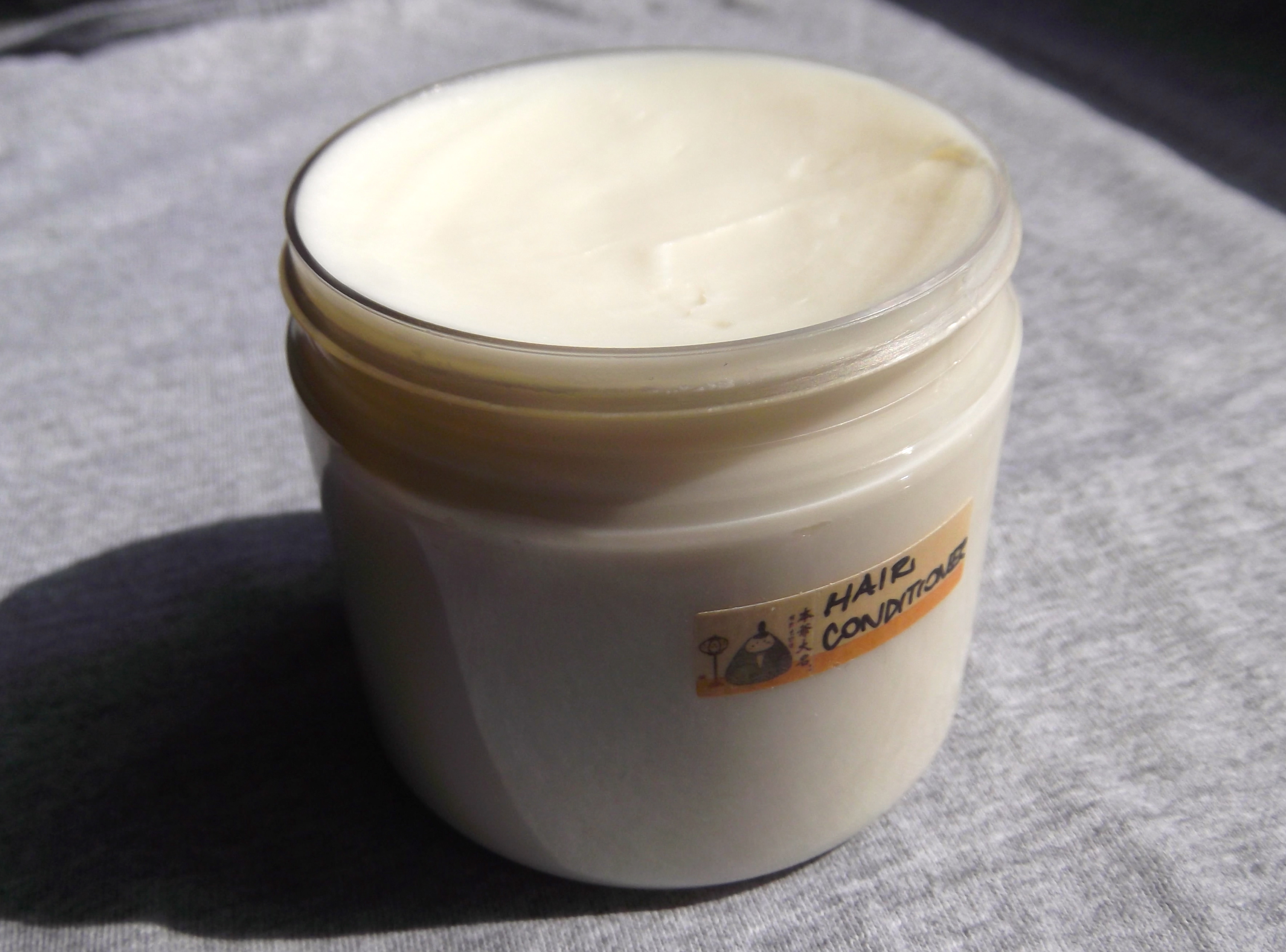
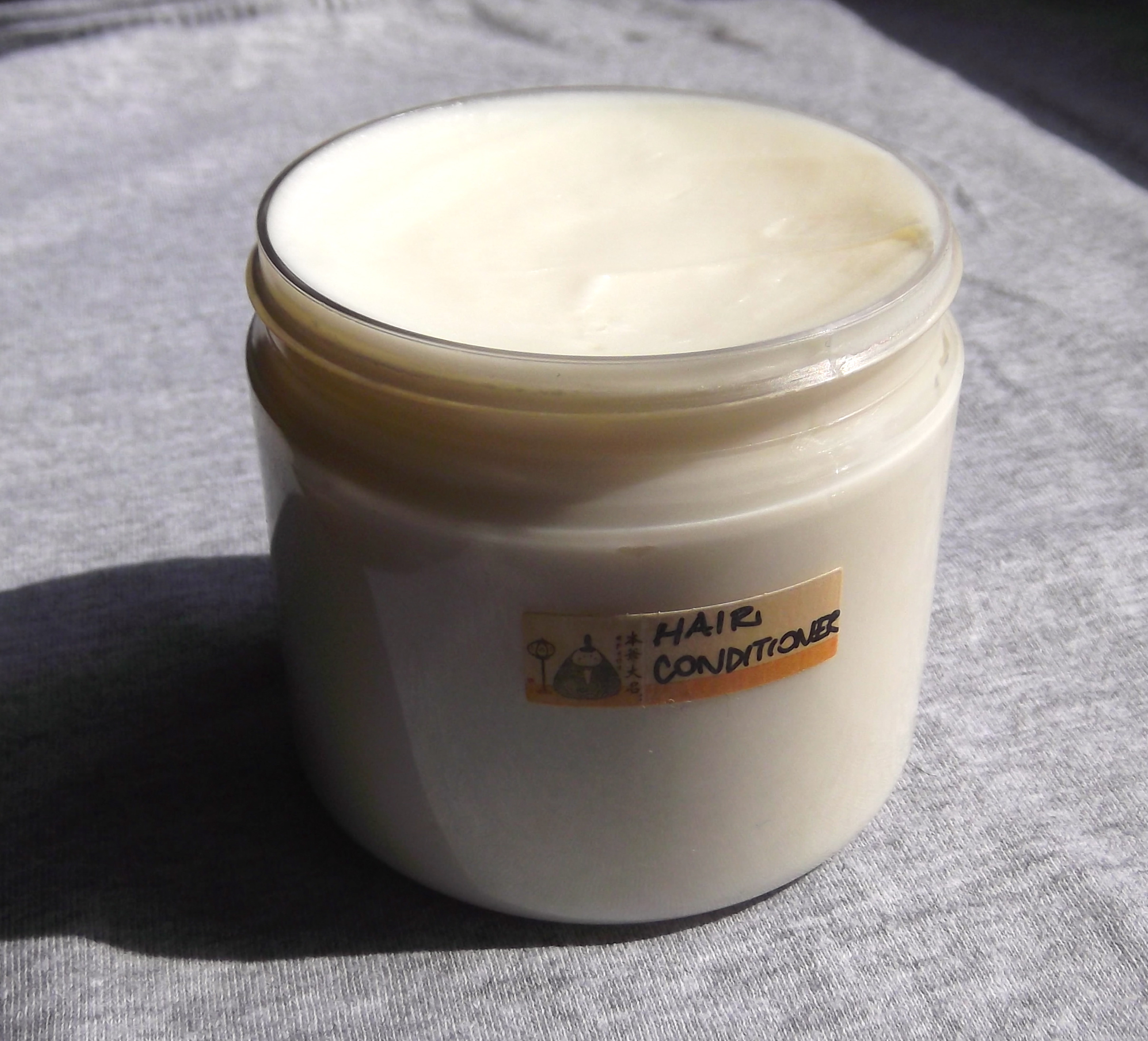
Hair Conditioner Recipe (and THEORY)

Hair Conditioner Recipe

LAB NOTES & SAFETY NOTICE
These are personal experiments for educational use only— not instructions and not for commercial or consumer use. By proceeding, you assume all risks related to safety, testing, and regulatory compliance.
[Full Legal Disclaimer & Safety Requirements]

Theory & Practice: The Basic Hair Conditioner

Hello Hello! :D Today I want to show you a foundational recipe for a high-performance hair conditioner.

Making a conditioner is similar to making a skin lotion, but there are some critical differences in the technique. If you don’t follow these, your conditioner might fail or separate!

The Two Golden Rules of Conditioner:

  1. The Pour: In a lotion, we usually pour the Oil (B) into the Water (A). In a conditioner, you MUST pour the Water (Phase A) into the Oil (Phase B). This is vital for the cationic emulsion!

  2. Phase C: There isn’t a “block” Phase C. You must add every extra ingredient SINGULARLY, ONE BY ONE, once the emulsion is at room temperature.

The Formula: Eco-Friendly Conditioner

Phase A (Water):

  • Water: to 100

  • Glycerin: 3.0

  • Guar Hydroxypropyltrimonium Chloride: 0.1 (This is a fantastic detangler! If you don’t have it, you can use a Flaxseed or Mallow infusion instead).

  • Heat to precisely 75°C.

Phase B (The Cationic Base):

  • Esterquat: 8.0 (This is a cationic emulsifier—specifically for hair! It’s great because it’s eco-friendly).

  • Jojoba Oil: 2.0

  • Cetyl Alcohol: 3.5 (For thickness and “slip”)

  • Stearic Acid: 1.5

  • Heat to 70°C.

“Phase C” (Add one by one!):

  • Hydrolyzed Wheat Protein: 3.0

  • Panthenol: 1.0

  • Polyquaternium-7: 2.0 (Enhances the conditioning. You can skip it if you don’t have it).

  • Preservative: (According to your product’s dosage, e.g., 0.6%)

  • Fragrance/Essential Oil: To your taste! :D


Notes from my Beaker:

  • The Emulsifier: Unlike face creams, conditioners need a Cationic charge to stick to the hair (which has a negative charge). Esterquat is the perfect choice because it’s much better for the environment than older conditioning agents.

  • Temperature Check: Use your thermometer! If Phase A isn’t hot enough when it hits the Esterquat, the emulsion won’t be as smooth and stable.

  • The Finish: Once you’ve added your ingredients one by one, give it a final slow stir. You’ll notice the texture becomes very creamy and rich.

Final Verdict: This conditioner is simple but very effective. It leaves the hair soft, easy to comb, and static-free without being too heavy.

HAVE A GREAT DAY!!! 😀

DSCF3512