Hyaluronic Acid Serum for Problem Skin

LAB NOTES & SAFETY NOTICE
For educational purposes only. Content reflects personal, non-professional formulation experiments and is not instructional.
No formula or information on this site is intended for commercial use, consumer application, or third-party use.
Accessing this content means you accept all risks and full responsibility for safety, testing, legal compliance, and outcomes.
[Full Legal Disclaimer & Safety Requirements]

Hello there! 😀
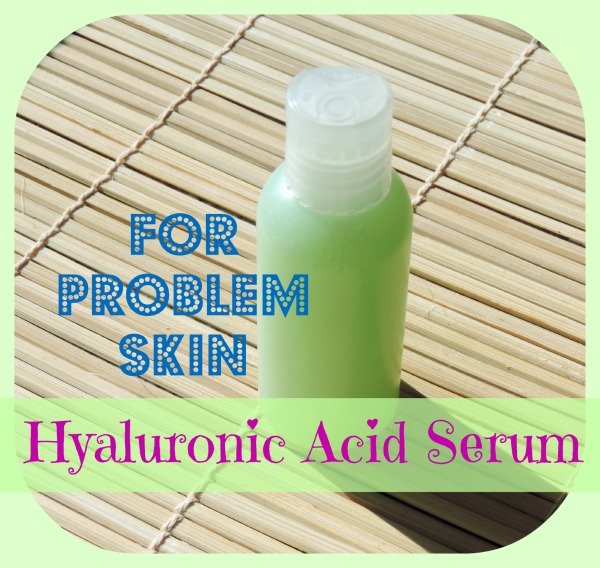
Hyaluronic Acid Serum for Problem Skin

Lab Note: My “Problem Skin” Niacinamide Serum

Hello Hello! 😀 Today I’m looking back at a formula for a super simple but highly effective serum. I designed this one specifically for those “problematic skin” days—you know, when you have a bit of an oily T-zone, some mild blemishes, and maybe those annoying red marks left over from previous spots.

I have to remind myself: this isn’t a “magic cure” for serious acne. It’s just a helping hand to keep the skin hydrated and soothe that irritation. yeheee!

The Niacinamide “Trick”

The star here is Niacinamide (Vitamin B3). It’s a powerhouse for sebum and redness, but it has a secret: it’s a close friend of Nicotinic Acid. If the pH drops too low, the Niacinamide can turn into Nicotinic Acid, which causes flushing and burning—the exact opposite of “soothing!”

Because of this, I was incredibly “fussy” about the pH in my lab. My goal was a safe pH of 6–6.5. At the time, I was using the most reliable pH strips I could find, though a pH meter is definitely the “gold standard” for this!

The Formula I Used:

  • Water: to 100
  • Niacinamide: 4.0 (The blemish fighter)
  • Aloe Vera Powder (200:1): 0.5
  • Betaine (Trimethylglycine): 5.0 (The soothing powder—not the surfactant!)
  • Glycerin: 1.0
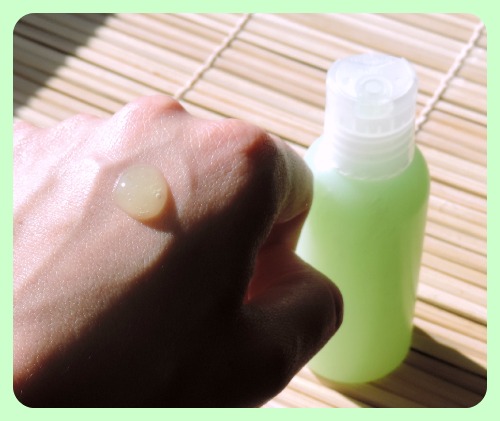
  • Sodium Hyaluronate: 0.9 (Used here as the “gelling agent” and for deep hydration)
  • Preservative: 1.0 (I used my Ecocert approved one)
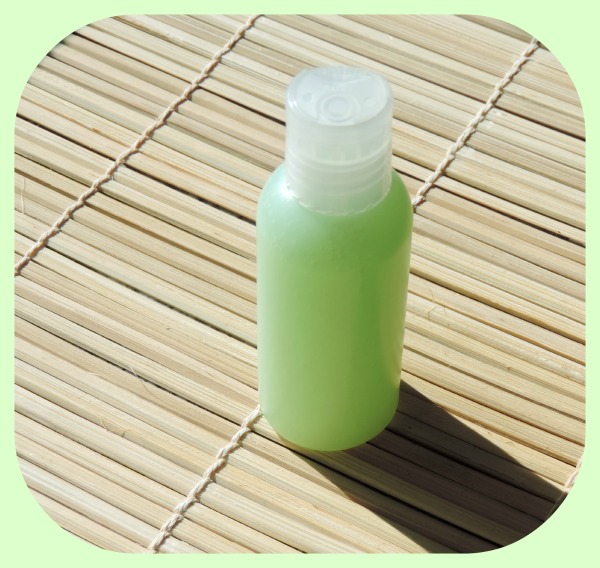
  • Extras: A drop of green food-grade colorant and a hint of fragrance.

Notes from my Beaker:

  1. The Base Mix: I started by dissolving the Aloe, Glycerin, Betaine, and preservative into the water.
  2. The pH Balancing Act: This was the most important part. When I first measured the mix, the pH was a bit low (under 5.5). Since I didn’t want to play with Sodium Hydroxide that day, I used a clever trick: I added a tiny bit of SAP (Sodium Ascorbyl Phosphate). It’s a stable Vitamin C that is quite alkaline, so it raised my pH perfectly into that 6–6.5 “safe zone” for the Niacinamide.
  3. Adding the Active: Once the pH was stable, I stirred in the Niacinamide. And yes… I checked the pH again! You can never be too sure when you’re avoiding that Nicotinic Acid flush.
  4. The “Patience” Test: I poured the Sodium Hyaluronate on top. Usually, you’re supposed to just “forget about it” for a day while it hydrates into a gel. But since I have zero patience :D, I hit it with a spatula and then my immersion mixer. It worked like a charm!
  5. The Aesthetics: I added one drop of green colorant because it just felt “right” for a soothing aloe-based serum.

Final Verdict: Even though it was a bit of a “fuss” to keep the pH exactly right, the result was a serum that felt incredibly smooth. It didn’t feel sticky, and it really helped keep my T-zone in check without any of that scary flushing. ENJOY! 🙂
Niacinamide6

Niacinamide7

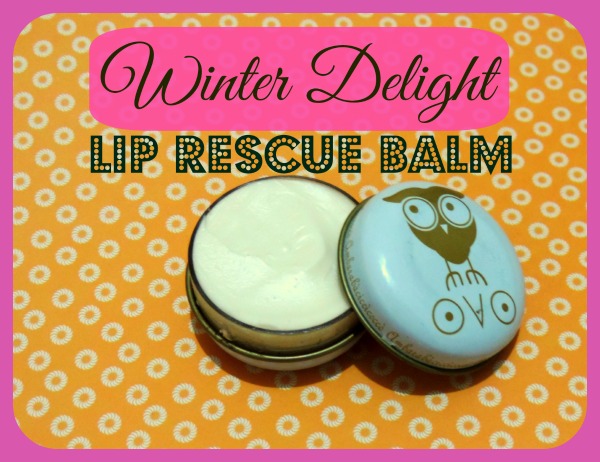
Winter Delight – Lip Rescue Balm

LAB NOTES & SAFETY NOTICE
For educational purposes only. Content reflects personal, non-professional formulation experiments and is not instructional.
No formula or information on this site is intended for commercial use, consumer application, or third-party use.
Accessing this content means you accept all risks and full responsibility for safety, testing, legal compliance, and outcomes.
[Full Legal Disclaimer & Safety Requirements]

Hello there I AM BACK! 😀

winterdelight

Lab Note: The “Winter Delight” Lip Rescue (Lola’s Recipe!)

Hello Hello! 😀 Today I am sharing what is truly the best lip balm recipe I have ever tried. This isn’t my invention—it was created by Lola, the founder of the forum where I learned so much of my formulation knowledge! I’ve been making this for over two years, so it is very well tested.

The Hydration Secret

Most lip balms are 100% oil and wax. We always hear that “Shea butter hydrates,” but actually, it doesn’t! 😀 Oils create a layer that stops water from leaving, but they don’t add any new water. Eventually, your lips still end up dry.

What makes this recipe special? It actually contains a water phase! By adding honey and glycerin, we are finally giving the lips real hydration. And the best part? The ingredients are extremely easy to find!

The Formula: Winter Delight

Oil Phase:

  • Beeswax: 20.0 (Use yellow virgin wax for the best scent! :D)
  • Rice Bran Oil: 45.0
  • Tocopheryl Acetate (Vitamin E): 10.0
  • Vanillin: A tiny pinch (for that amazing aroma)

Water Phase:

  • Glycerin: 5.0
  • Honey: 20.0

Phase C:

  • Sweet Orange Essential Oil: 5 drops
  • [NEW 2026 UPDATE]: A lip-safe preservative (see notes below!)

Notes from my Beaker: The “Drop-by-Drop” Method

  1. Modified Cold Cream: This recipe doesn’t use a traditional emulsifier. Instead, it uses the “mechanical” method. I heated the oil phase and water phase separately.
  2. Patience is Key: Once the wax melted, I started adding the water phase DROP BY DROP into the oil. I had to stir constantly for about 30 minutes!
  3. The Goal: I am trying to create tiny water droplets that get “trapped” and held in place as the beeswax cools and solidifies.
  4. Spoon vs. Mixer: I tried using a mini-mixer this time, but it created too many bubbles (making it look very white). A simple spatula or spoon actually works better for a creamy, stable result. Lesson learned! 😀
  5. Add the PRESERVATIVE
  6. The Scent: The mix of honey, vanillin, and sweet orange is absolutely IRRESISTIBLE.

⚠️ SAFETY UPDATE: A Note on Preservatives

In the original version of this post, I mentioned that this recipe doesn’t need a preservative because the high sugar in the honey and the glycerin “occupy” the water. While that chemistry is true, I have updated my lab practice! Because we use our fingers to apply this from a tin, it’s very easy to introduce bacteria. For 100% peace of mind, I now strongly recommend adding a lip-safe or food-grade preservative. Safety first for those beautiful lips! 😀

Final Verdict: This is a creamy balm, so it won’t work in a twist-up stick—keep it in a little tin. It’s a total lifesaver for winter. ENJOY! 😀 😀 😀

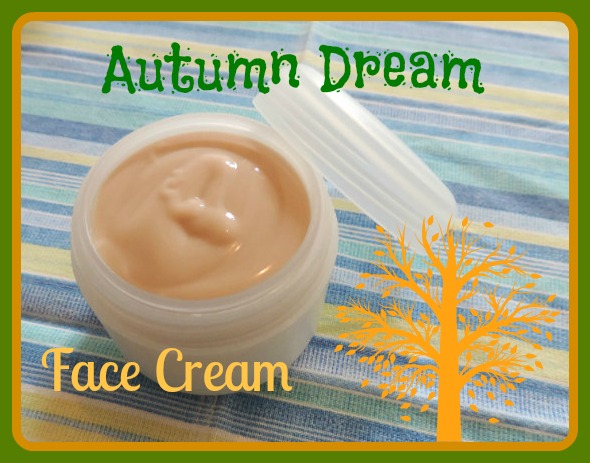
Autumn Dream – Face Cream

LAB NOTES & SAFETY NOTICE
For educational purposes only. Content reflects personal, non-professional formulation experiments and is not instructional.
No formula or information on this site is intended for commercial use, consumer application, or third-party use.
Accessing this content means you accept all risks and full responsibility for safety, testing, legal compliance, and outcomes.
[Full Legal Disclaimer & Safety Requirements]

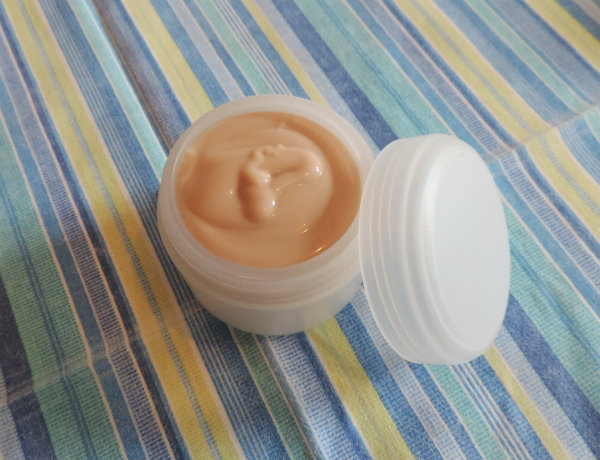
Autumn Cream 13

Lab Note: My “Autumn Dream” Face Cream

Hello Hello! 😀 I finally have the recipe and pictures for the autumn cream I’m using right now. I call it my “Poetry” cream because I was feeling a bit artistic when I made it—but also because my sensitive skin needs something truly soothing as soon as the first cold weather hits.

This cream has a higher percentage of fats than my summer formulas, plus a “bouquet” of active ingredients specifically chosen to protect capillaries and calm redness. yeheee!

The Formula: 

Phase A (The Gel):

  • Water: to 100

  • Glycerin: 3.0

  • Xanthan Gum: 0.2 (I usually prefer a mix with Carbomer, but mine expired! Xanthan alone still works, though the finish is slightly different.)

Phase B (The Emulsion):

  • Murumuru Butter: 0.5 (Dry skin: 2.5)

  • Safflower Oil: 0.5 (Dry skin: 2.5)

  • Methyl Glucose Sesquistearate: 3.0 (Emulsifier)

  • Cetyl Palmitate: 1.0 (For a soft cream feel)

  • Tocopherol (Vitamin E): 0.5

  • Propylheptyl Caprylate: 1.5 (For a super light skin feel)

Phase C (The Soothing Actives):

  • Oily Part: Bisabolol (0.5), Black Currant Oil (1.0), Dry Flo (0.5)

  • Water Part: Hydrolyzed Silk Proteins (2.0), Allantoin (0.4), Water (5.0)

  • Botanical Extracts: Vitis Vinifera (0.2), Raspberry (0.1), Licorice/Glycyrrhizic Acid (0.2)

  • Hydration: Hyaluronic Acid Gel (5.0)

  • Preservative: Cosgard (1.0)


Notes from my Beaker:

  1. Extract Colors: Just a warning—plant extracts like Licorice and Vitis Vinifera are NOT white! They will change the color of your cream to a more “earthy” tone, but the soothing benefits are worth it!

  2. The Allantoin Trick: As always, I mix the Allantoin into the Silk Proteins first. It disperses so much better this way—no crystals!

  3. The Process: I heated Phase A and B to 70°C. I poured B into A slowly while stirring by hand, then hit it with the immersion mixer. It turns bright white immediately!

  4. The Cooling Phase: This part is very important. I kept stirring with a spatula until it reached room temperature. While it’s hot, it looks very liquid—don’t panic! The Cetyl Palmitate only thickens as it cools (and continues for a few days).

  5. The Final Touch: Once cool, I added the two Phase C parts, checked the pH (it hit 5.5 perfectly), and gave it one last quick pulse with the mixer to make it perfectly smooth.

Final Verdict: This is a lifesaver for winter. The Black Currant oil and Licorice extract really help my capillaries survive the cold stress. It might not stay pure white because of the extracts, but it feels like a dream on the skin. ENJOY! 😀 😀 😀

Autumn Cream 11


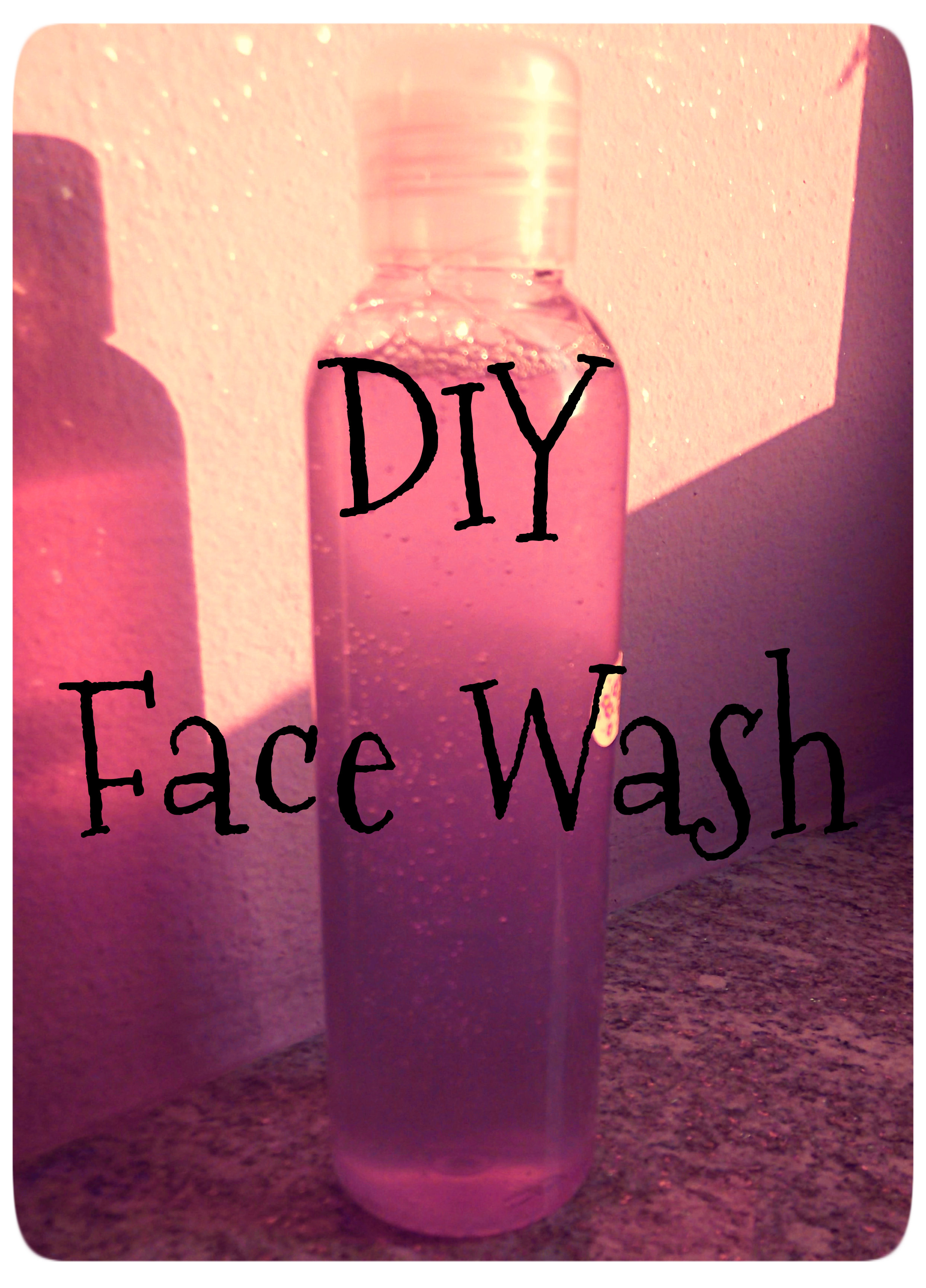
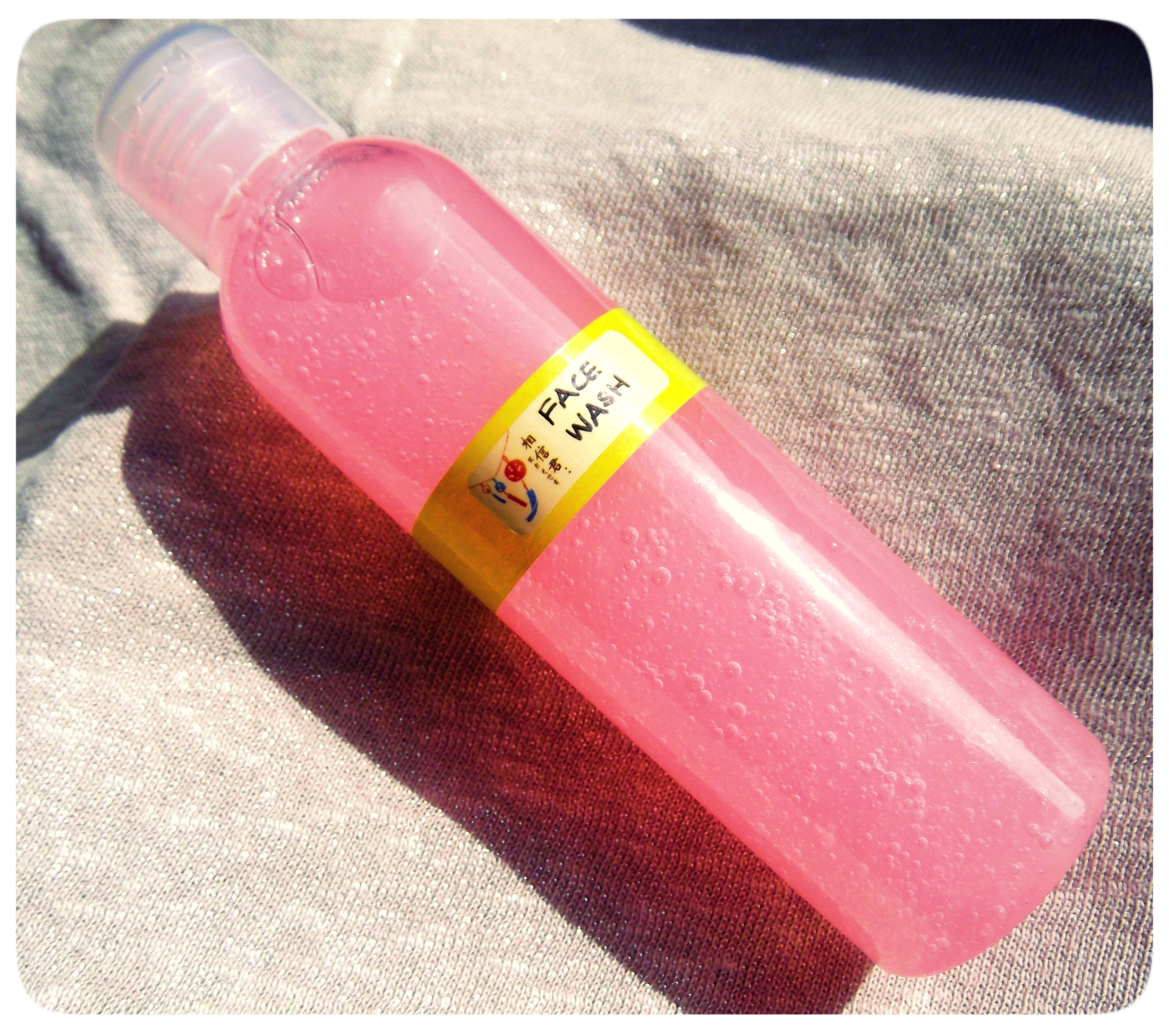
How to formulate a Face Wash – with Recipe

LAB NOTES & SAFETY NOTICE
These are personal experiments for educational use only— not instructions and not for commercial or consumer use. By proceeding, you assume all risks related to safety, testing, and regulatory compliance.
[Full Legal Disclaimer & Safety Requirements]

DIY Face Wash - Recipe

Today I experimented on an “extra-mild” facial cleanser. My goal here was to build a balanced Surfactant Trio (Anionic, Amphoteric, and Non-Ionic) but keep the concentration low enough to respect a compromised skin barrier—especially for my skin, which tends to get acne when it’s irritated.

The ASM Calculation & My Surfactant Logic

To make sure this was as gentle as possible, I targeted a total ASM of 6.5%. Most store-bought face washes are 10–15%, so I knew this would be much softer.

  • Sodium Lauroyl Sarcosinate (Anionic): My primary choice for a creamy lather. It’s so much milder than SLES or SLS.

  • Cocamidopropyl Betaine (Amphoteric): I included this to “buffer” the Sarcosinate. It helps stop the cleanser from being too aggressive on the skin.

  • Lauryl Glucoside (Non-Ionic): This completes the trio. It’s great for removing oily residues without causing irritation.

The Math (Validated against my 6.5% ASM target):

  • Sarcosinate 10g: 10 * 0.29 = 2.9g

  • Betaine 6g: 6 * 0.32 = 1.92g

  • Lauryl Glucoside 3g: 3 * 0.52 = 1.56g

  • Total ASM: 6.38% (Perfect!)


My Formula: Mild Face Wash

Phase Component % / grams Function
A Distilled Water to 100 Solvent
A Glycerin 3.0 Humectant
A Xanthan Gum 0.5 Thickener / Suspension
B Sodium Lauroyl Sarcosinate 10.0 Primary Mild Anionic
B Lauryl Glucoside 3.0 Non-Ionic Detergent
B Lavender & Sage EOs 4 drops Soothing / Antimicrobial
C Cocamidopropyl Betaine 6.0 Amphoteric Buffer
C Preservative & Lactic Acid q.s. Safety / pH Calibration

What I Noticed During the Process

  • Gelling the Water: Sarcosinate is notoriously hard to thicken! I used 0.5% Xanthan Gum to give it enough “body” so it wouldn’t just run off my hands.

  • The “Heat” Trick: My Lauryl Glucoside was a thick paste. I had to give it a quick warm-up in a water bath to liquefy it before mixing, otherwise, I would have ended up with “fish-eyes” (lumps) in my gel.

  • The “Slow-Mix” Rule: Sips water. I stayed away from the high-speed mixers. I just used a manual stirring motion because I didn’t want to turn my beaker into a bubble bath before I even finished!

  • The pH Moment: This is the most sensitive part. I used Lactic Acid to bring the pH down to 5.0.

    • My Observation: At pH 5.5, the Sarcosinate reaches its best density. But I have to be careful—if the pH drops much lower than that, the whole structure can fail and turn back into a liquid mess, plus the betaine should never go below that pH!

Final Thoughts

For me, this face wash is the definition of “Less is More.” By getting rid of harsh alcohols and scrubs and using this low-ASM blend instead, I finally gave my skin some space to breathe.

Personal Observation: This formula was a real turning point for my skin. It really confirms my theory: cleaning the skin shouldn’t mean stripping the skin.

DIY face wash

On Surfactants and Formulation (face wash, shampoo and shower gels)

LAB NOTES & SAFETY NOTICE
These are personal experiments for educational use only— not instructions and not for commercial or consumer use. By proceeding, you assume all risks related to safety, testing, and regulatory compliance.
[Full Legal Disclaimer & Safety Requirements]

Lab Notes: The ASM Reality

After spending so much time with surfactants, it’s clear that formulating a detergent isn’t about the volume of the bottle, but about the ASM (Active Surfactant Matter). It’s a core lesson: since raw surfactants are usually sold as solutions (mostly water), the only way to know the real “cleaning power” is to calculate the active part of the molecule.

What I’ve Learnt About ASM Targets

The ASM Protocol — Quantitative Detergent Design

In surfactant chemistry, we do not formulate based on the “volume of the bottle” but on the Active Surfactant Matter (ASM). Since raw surfactants are sold as aqueous solutions (e.g., 30% active matter and 70% water), we must calculate the true concentration of the “cleaning” part of the molecule to ensure safety and efficacy.

1. The ASM Target Reference

Before calculating, I define the target ASM based on the physiological needs of the area being cleansed. High ASM provides more “bubbles” and stripping power, while low ASM preserves the lipid barrier.

Product Type Target ASM Range Formulation Goal
Face / Intimate Wash < 10% Ultra-delicate; avoids stripping the acid mantle.
Shampoo 10% – 15% High wetting ability; removes sebum/styling products.
Shower Gel 15% – 20% Standard body cleansing; good foam volume.
Bubble Bath 20% – 25%+ Maximum foam stability; not intended for direct skin contact.

2. The Mathematical Approach: Solving for ASM

I utilize two primary methods in the lab to reach my target (e.g., a 18% ASM Shower Gel).

Method A: Quota Division (Precise)

I decide exactly what “share” each surfactant contributes to the total 18% and solve for the grams needed.

  • Sarcosinate (29% ASM): Quota 10% then I calculate: 10 / 0.29 = 34.48g

  • Betaine (36% ASM): Quota 5% so: 5 / 0.36 = 13.88g

  • Lauryl Glucoside (52% ASM): Quota 3% so: 3 / 0.52 = 5.76g

  • Total ASM = 18%

Method B: Gram Estimation (Iterative)

I estimate the grams first and check the result against the target.

  • 40g { Sarcosinate}* 0.29 = 11.6g

  • 15g { Betaine} * 0.36 = 5.4g

  • 5g { Lauryl Glucoside} * 0.52 = 2.6

  • Total ASM = 19.6% (Adjust grams downward to reach 18%).

3. Raw Material Profiles & Behavioral Notes

  • Sodium Lauroyl Sarcosinate (Anionic – 29%): Eco-friendly and creamy. Viscosity is highly dependent on a pH of 5.0. It is sensitive to oils and fragrances, often requiring Xanthan Gum for stabilization.

  • Cocamidopropyl Betaine (Amphoteric – 30-38%): The “Buffer.” When paired with Anionics (like SLES), it creates a salt-thickening curve. It significantly reduces the irritation potential of harsher surfactants.

  • Lauryl Glucoside (Non-Ionic – 52%): A thick, cloudy paste. Excellent for thickening and skin-mildness, but requires gentle heating ($40^\circ\text{C}$$50^\circ\text{C}$) to become workable.

  • Disodium Cocoamphodiacetate (Amphoteric – 38%): The “Baby” surfactant. Does not trigger the ocular sting reflex; ideal for “no-tears” formulations.

Researcher Summary

Calculating ASM is the only way to ensure reproducibility in the lab. By mastering this math, I can hopefully swap one surfactant for another (e.g., replacing SLES with a more eco-friendly Sarcosinate) while maintaining the exact same “strength” of the detergent.

How to formulate a detergent – THEORY pt.2

LAB NOTES & SAFETY NOTICE
These are personal experiments for educational use only— not instructions and not for commercial or consumer use. By proceeding, you assume all risks related to safety, testing, and regulatory compliance.
[Full Legal Disclaimer & Safety Requirements]

How to formulate a detergent

My Lab Notes: Surfactant Assembly & Phase Logic

Hello Hello! 😀

I’ve been recording my experiments with detergents, and I’ve realized it’s about so much more than just getting the skin clean. It’s about managing the “Micellar structure” so the product feels professional.

1. My “Trio-Strategy” for Softness

I’ve documented that a single-surfactant system is usually too harsh for my skin. I’ve started using a three-part team:

  • Primary: My “cleaning engine” (like SLES).

  • Secondary: A “buffer” like Cocamidopropyl Betaine to reduce irritation.

  • Aesthetics: A tiny bit of Glyceryl Oleate to make the lather feel like luxury.

2. My Thickening Observations

I’ve noticed that people associate thickness with quality, so I’ve been testing three reliable ways to build “body”:

  • The Salt-Curve: I’ve recorded that SLES becomes extremely dense when I add electrolytes (salt) because it forces the micelles to pack tighter.

  • The pH Trigger: In my experiments with Sarcosinate, the texture changes completely at pH 5.0. It goes from thin to thick almost instantly!

  • Polymeric Support: If the surfactants are being stubborn, I use Xanthan Gum (<1%) in Phase A to get the flow I want.

3. My Assembly Protocol (Avoiding the “Crash”)

I have to be very careful with the order of addition to avoid “crashing” the formula or making it cloudy.

  • Phase A (The Aqueous Foundation): I hydrate my gums and glycerin here.

  • Phase B (The Concentrate): This is where my main surfactants go. Sips water. I’ve learned to mix these very slowly with a spatula—no immersion mixers allowed, or I’ll end up with a beaker full of air bubbles!

  • Phase C (The Trigger): This is my favorite part. When I add the Betaine and the pH adjusters at the end, I often see the “thickening moment” happen right before my eyes.

Final Lab Thought

Formulating detergents is a game of patience. If I rush the mixing, I lose the clarity. A thin gel still cleans, but I’ve found that a thick, glossy gel is what makes the experience feel truly professional. It’s all in my hands! 😉

HAVE A GREAT DAY! 😄

Sebum Normalizer cream Recipe

DSCF3535

LAB NOTES & SAFETY NOTICE
These are personal experiments for educational use only— not instructions and not for commercial or consumer use. By proceeding, you assume all risks related to safety, testing, and regulatory compliance.
[Full Legal Disclaimer & Safety Requirements]

Lab Note: The “Oil-Control” Spring Fluid

Hello Hello! 😀 With the spring days finally arriving, I wanted to formulate something light. This cream is specifically designed for oily skin that needs hydration without the weight. In fact, the oil percentage is so low it’s almost an “oil-free” cream!

The Oil-Control Duo:

  • Azeloglicine (6%): Pure Azelaic Acid is a nightmare to work with at home because it won’t dissolve in water or oil. Bingo! Azeloglicine is the answer. It’s a hydrophilic derivative that kills acne-causing bacteria and normalizes sebum.

  • Tiolisine Complex (2.5%): A sulfurated amino acid derivative that is a powerhouse for sebum-normalizing.

The Formula: Spring Oil-Control Fluid

Phase A (The Gel Base):

  • Water: to 100

  • Glycerin: 2.5

  • Xanthan Gum (Non-transparent): 0.11

  • Carbopol Ultrez 21: 0.3

Phase B (The Light Oily Phase):

  • Methyl Glucose Sesquistearate: 2.0 (Low % for a low-oil formula)

  • Cetyl Alcohol: 0.8 (Kept low to avoid a “waxy” feel)

  • Cetiol Sensoft: 1.5 (A very light synthetic oil for a smooth touch)

  • Evening Primrose Oil: 1.0

  • Hemp Oil: 0.5

  • Tocopherol (Vitamin E): 1.0

Phase C1 (The “Dry” Finish):

  • Bisabolol: 0.5 (Soothing)

  • Dry Flo: 0.7 (Aluminum Starch Octenylsuccinate—for a matte finish!)

Phase C2 (The Actives):

  • Azeloglicine: 6.0

  • Tiolisine Complex: 2.5

  • Preservative (Cosgard): 1.0

  • Adjust pH to 5.5 – 6.0


Notes from my Beaker:

  1. Consistency Matters: I intentionally made this a fluid lotion rather than a thick cream. For oily skin, thick textures can “feel” too rich or heavy. I prefer a light, milky fluid that sinks in immediately!

  2. The Wax Factor: If you want it thicker, you could raise the Cetyl Alcohol to 1.5%, but I don’t recommend it for oily skin—it can start to feel like a wax layer on your face.

  3. Active Power: Because Azeloglicine is water-soluble, it’s so much easier to incorporate into Phase C than trying to fight with pure Azelaic acid powder. It keeps the cream smooth and professional.

Final Verdict: This is my go-to when the weather gets warmer. It keeps the shine away while treating any little breakouts with the Tiolisine and Azeloglicine. It’s light, smooth, and fresh!

HAVE A GREAT DAY! 😀 😀 😀