No-Drandruff Shampoo

LAB NOTES & SAFETY NOTICE
For educational purposes only. Content reflects personal, non-professional formulation experiments and is not instructional.
No formula or information on this site is intended for commercial use, consumer application, or third-party use.
Accessing this content means you accept all risks and full responsibility for safety, testing, legal compliance, and outcomes.
[Full Legal Disclaimer & Safety Requirements]
No-dandruff Shampoo 8

Lab Note: My “No Dandruff” Scalp-Calming Shampoo

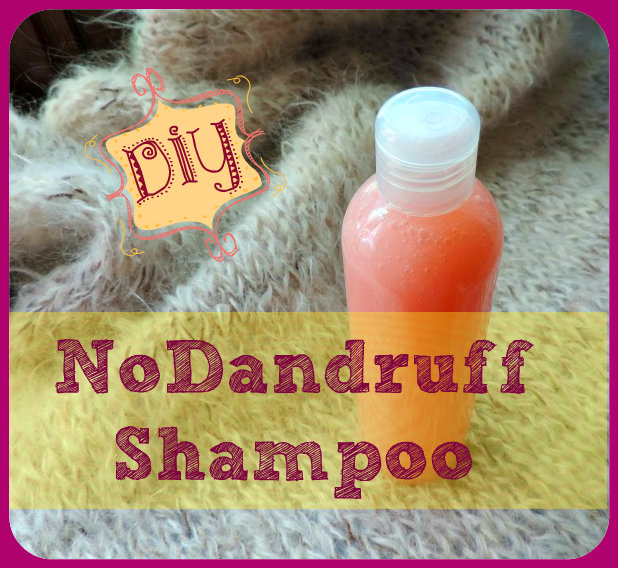
Hello Hello! 😀 Today I am tackling something that is usually so annoying to deal with: dandruff! I got tired of the shampoos from the supermarket because they are so aggressive—they might kill the fungus, but they leave the scalp red and the hair feeling like straw. No thanks! 😛

I wanted to make a “Smart Shampoo.” Something that uses a real antifungal active but surrounds it with ingredients that actually soothe the skin and protect the hair.

The “Clear Scalp” Strategy:

The hero of my formula is Piroctone Olamine. Unlike the “Zinc” stuff you find in cheap shampoos, Piroctone Olamine is much more elegant—it’s very effective against the Malassezia fungus but it’s gentle. I also added Salicylic Acid to help “sweep away” the dead skin cells so the scalp can breathe again!

The Formula for my Experiment:

Phase A:

  • Water to 100

  • Glycerin 2

  • Polyquaternium-10 – 0.3 (This is a “conditioning” polymer—it helps the hair stay smooth even in a treatment shampoo!)

Phase B (The Cleansing Base):

  • Sodium Lauroyl Sarcosinate – 15 (My favorite “soft” surfactant!)

  • Cocamidopropyl Betaine – 10

  • Coco-Glucoside – 5

  • Piroctone Olamine – 0.5 (The antifungal powerhouse!)

Phase C (The Calming Touch):

  • Salicylic Acid – 0.5 (I pre-dissolved this in the surfactants to make sure it didn’t stay “gritty”!)

  • Panthenol – 1 (To soothe the itchy scalp)

  • Preservative (According to my lab’s type)

  • Fragrance (I used Tea Tree and Lavender—Tea Tree helps the “No Dandruff” mission, and Lavender makes it smell like a spa! :D)

  • Lactic Acid (To reach pH 5.5)


Notes from my Beaker:

  1. The Dissolving Trick: Piroctone Olamine and Salicylic Acid can be a bit stubborn. I found that if I mix them into the surfactant blend (Phase B) before adding the water, they dissolve much more easily. No one wants “grains” in their shampoo!

  2. The pH is Critical: For Piroctone Olamine to be happy and stable, the pH needs to be around 5.5. If you go too low or too high, it might not work as well.

  3. The Color: I left this one clear because I love how clean it looks. Without all the “fake blue” dyes of commercial shampoos, it looks so much more professional.

  4. How I used it: Since this has an active medicine in it, I don’t just rinse it off immediately. I leave it on my scalp for about 3 minutes while I sing a song, then rinse! yeheee! 😀

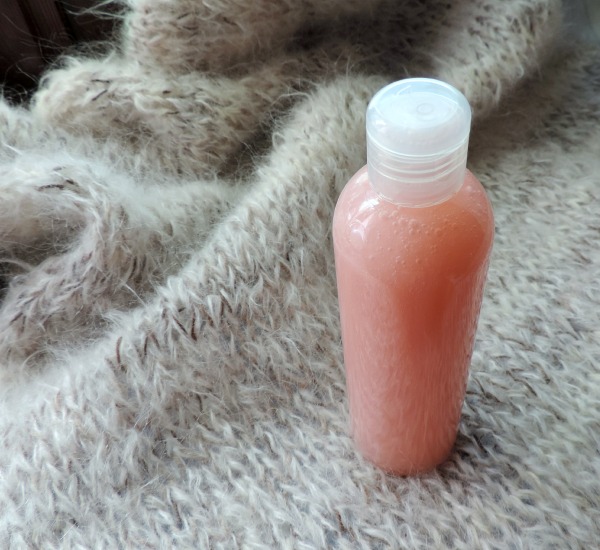
Final Verdict: I don’t suffer of dandruff much but of itchiness sometimes I do, and this helped a lot 🙂
No-dandruff Shampoo 6

No SLES Shampoo DIY

LAB NOTES & SAFETY NOTICE
For educational purposes only. Content reflects personal, non-professional formulation experiments and is not instructional.
No formula or information on this site is intended for commercial use, consumer application, or third-party use.
Accessing this content means you accept all risks and full responsibility for safety, testing, legal compliance, and outcomes.
[Full Legal Disclaimer & Safety Requirements]

No Sles Shampoo

My “No-SLES” Gentle Shampoo Experiment

Hello Hello! :

I wanted something that felt sophisticated and gentle—a recipe that treats the scalp like skin rather than just “hair ground.” yeheee! :D
While I do not hate SLES at all and I find that they can be useful in many ways, at the same time I am trying something different because sometimes my scalp gets itchy by the aggressivness that a commercial SLES shampoo can carry. SLES shampoos are sometimes formulated poorly (maybe for keeping the costs low) and can therefore be too aggressive. 

Here I have decided to experiment with a NON-SLES shampoo, simply to see what’s out there and what can be done differently.

The “Gentle” Strategy:

Instead of the usual SLES, I decided to play with a combination of Sodium Lauroyl Sarcosinate and Glucosides. Sarcosinate is such a dream—it’s derived from an amino acid and it gives a beautiful, creamy foam without being a “bully” to the hair cuticle.

The Formula for my Experiment:

Phase A:

  • Water to 100

  • Glycerin 3

  • Polyquaternium-10 – 0.3 (I included this because it helps with the “combability”—no one likes bird-nest hair! :P)

Phase B (The Cleansing Blend):

  • Sodium Lauroyl Sarcosinate – 12

  • Cocamidopropyl Betaine – 8

  • Coco-Glucoside – 4

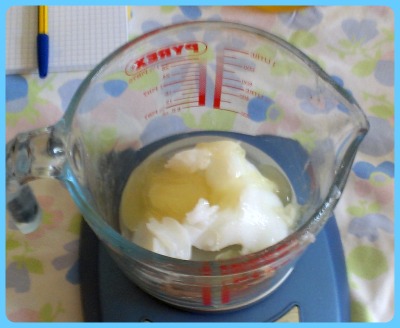
  • Lauryl Glucoside – 2 (This one is thick, so I had to be patient while mixing!)

Phase C:

  • Hydrolyzed Silk Proteins – 1 (For that “silk” touch I love!)

  • Panthenol – 0.5

  • Preservative (According to my lab’s setup)

  • Fragrance (I used a fresh, “Rain” scent—it feels so pure!)

  • Lactic Acid (To reach the “Golden pH” of 5.5)


Notes from my Beaker:

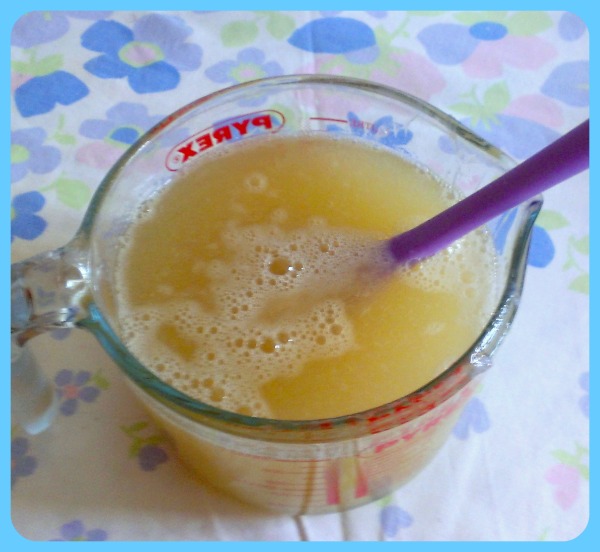
  1. The Foam Surprise: I was actually worried that a No-SLES shampoo wouldn’t foam enough, but I was wrong! The Sarcosinate creates these tiny, dense bubbles that feel much more luxurious than the big, “air-filled” bubbles of cheap shampoos.

  2. The pH is King: I was very careful to bring the pH down to 5.5. In my experience, this is the magic number for keeping the hair shiny and the scalp calm.

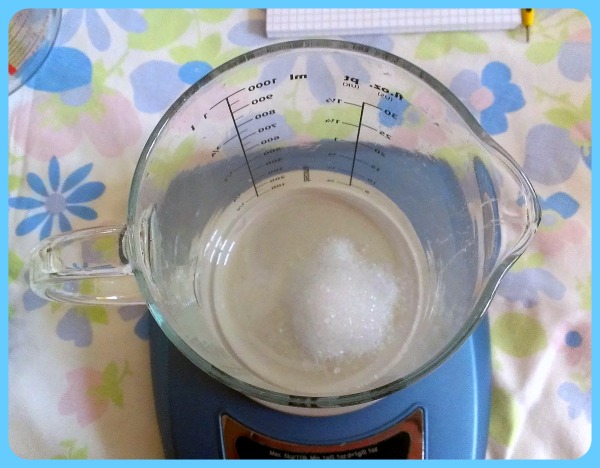
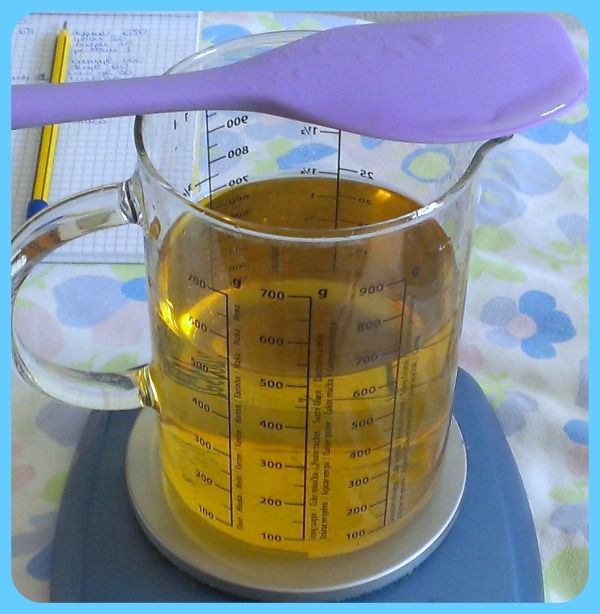
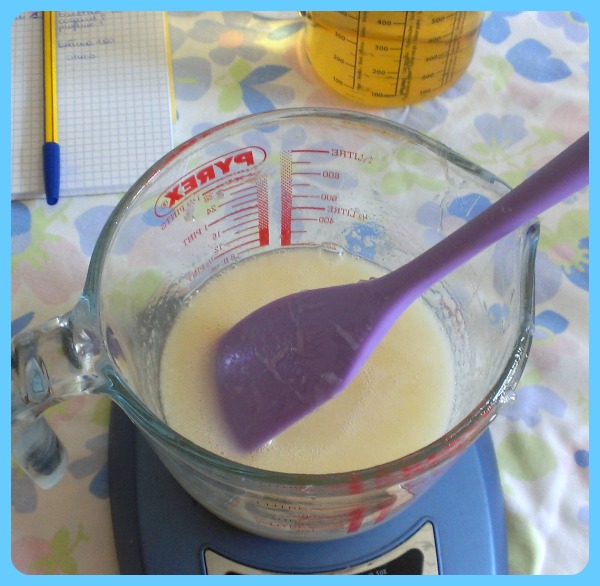
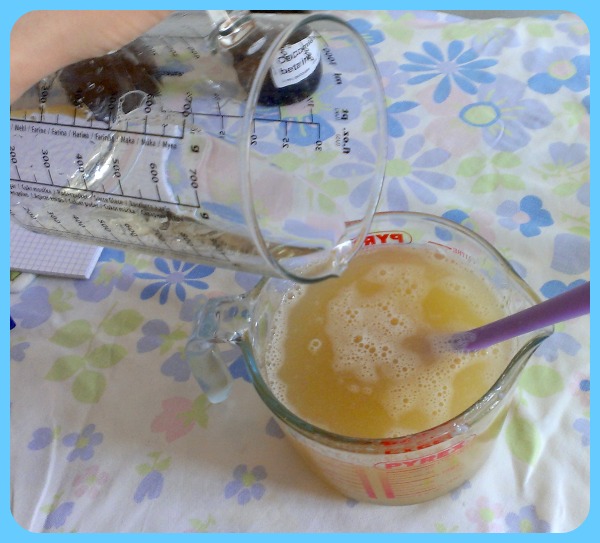
  3. The Mixing Process: I mixed the surfactants together first before adding them to the water. I found that if I poured the water onto the surfactants, I ended up with way too many bubbles in the beaker. Slow and steady wins the race! :D

  4. Scalp Feedback:

    The most amazing thing happened when I checked the pH. I brought it down to 5.5 with Lactic Acid, and suddenly the texture became so beautiful and dense! I realized that you don’t need SLES to get a rich foam. The foam from the Sarcosinate is tiny and creamy—it feels like washing your hair with a cloud instead of a detergent.

    I didn’t get any of that “squeaky” feeling that usually means the hair is dying for help. Instead, my scalp felt calm for the first time in weeks. It’s a huge win for me! However, to be fair, I don’t love the feeling in my hair, the wetting ability is not so good and so the search for the perfect shampoo is still open for me! Hope you enjoyed my experiments 😀

No Sles Shampoo 1

No Sles Shampoo 2

No Sles Shampoo 3

No Sles Shampoo 4

No Sles Shampoo 5

No Sles Shampoo 6

How to formulate a detergent – THEORY pt.2

LAB NOTES & SAFETY NOTICE
These are personal experiments for educational use only— not instructions and not for commercial or consumer use. By proceeding, you assume all risks related to safety, testing, and regulatory compliance.
[Full Legal Disclaimer & Safety Requirements]

How to formulate a detergent

Surfactant Assembly — Viscosity & Phase Logic

Formulating a detergent is more than just hitting an ASM target; it is about managing micellar structure to create a product that feels professional and performs predictably. My research focus here is on Viscosity Builders and the Order of Addition.

1. The Hierarchy of Delicacy

A single-surfactant system is almost always harsher than a complex blend. To optimize for skin-biocompatibility, I utilize the Trio-Strategy:

  • Primary (Anionic/Non-Ionic): The main “cleaning” engine (e.g., SLES or Sarcosinate).

  • Secondary (Amphoteric): Specifically chosen to “buffer” the primary surfactant and reduce irritation (e.g., Cocamidopropyl Betaine).

  • Aesthetics (Non-Ionic): Added in low dosages to refine the lather profile and provide refatting properties (e.g., Glyceryl Oleate).

2. The Rheology (Thickening) Challenge

Viscosity is psychologically linked to quality. However, many mild surfactants are “thin” by nature. I have documented three reliable methods for building “body” in a detergent:

  • The Salt-Curve (SLES + Betaine + NaCl): Anionic SLES becomes extremely dense when electrolytes (salt) are added, as the salt forces the micelles to pack tighter.

  • The pH Trigger (Sarcosinate + pH 5): Sodium Lauroyl Sarcosinate undergoes a structural change at pH 5.0, becoming significantly thicker.

  • Polymeric Support (Xanthan/Synthetic): If the surfactants fail to thicken naturally, I utilize Xanthan Gum (<1%) in Phase A or a synthetic acrylate like Tinovis GTC in Phase C to adjust the flow.


3. Standard Laboratory Phase Assembly

In my formulation trials, the order of addition is critical to preventing “phase crashing” or permanent cloudiness.

Phase A: The Aqueous Foundation

  • Components: Water, Glycerin (humectant), and hydrophilic thickeners.

  • Protocol: Ensure any gums (Xanthan) are fully hydrated before proceeding. This is where I integrate water-soluble colorants and preservatives.

Phase B: The Surfactant Concentrate

  • Components: Primary Anionic and Non-Ionic surfactants.

  • Protocol: Mix slowly to avoid “foaming out” the beaker. I often incorporate fragrance oils and lipophilic preservatives here, as the concentrated surfactants help solubilize them.

Phase C: The Viscosity Trigger

  • Components: Amphoteric Surfactants (Betaine), Conditioning agents, and pH adjusters.

  • Protocol: Slowly pour Phase A into Phase B, mixing manually with a spatula. The addition of the amphoteric surfactant in this final phase often triggers the “thickening moment.”


Researcher Summary

Detergent formulation is a game of patience. High-shear mixing (like an immersion mixer) should be avoided to prevent air entrapment, which creates a “cloudy” look. If the detergent is thin, it still cleans—but a thick, glossy gel provides the sensory experience that users associate with luxury.

How to formulate a detergent – THEORY pt. 1

How to formulate a detergent

LAB NOTES & SAFETY NOTICE
These are personal experiments for educational use only— not instructions and not for commercial or consumer use. By proceeding, you assume all risks related to safety, testing, and regulatory compliance.
[Full Legal Disclaimer & Safety Requirements]

Surfactant Theory — The Chemistry of Cleansing

At the heart of every liquid cleanser—from a delicate face wash to a robust bubble bath—lies the Surfactant (Surface Active Agent). These molecules are amphiphilic, meaning they possess a “water-loving” (hydrophilic) head and an “oil-loving” (lipophilic) tail. This unique structure allows them to lift oils and debris from the skin so they can be rinsed away with water.

1. The Four Groups of Surfactants

Surfactants are categorized by the electrical charge of their hydrophilic head when in an aqueous solution. This charge dictates how the ingredient interacts with skin and hair.

  • Anionic (-): Negative charge. These are the “powerhouses” of cleansing and foaming.

    • Examples: SLES, Sodium Lauroyl Sarcosinate.

  • Cationic (+): Positive charge. Because hair is negatively charged, these “stick” to the hair shaft, providing conditioning rather than cleansing.

    • Examples: Cetrimonium Chloride.

  • Non-Ionic (0): No charge. Very mild and stable; excellent foam stabilizers.

    • Examples: Decyl Glucoside, Lauryl Glucoside.

  • Amphoteric (+/-): Charge depends on the pH. These are the “buffers” of the lab, used to reduce the irritancy of anionics.

    • Examples: Cocamidopropyl Betaine.


2. The Concept of “Active Matter”

A common point of confusion in home formulation is assuming raw surfactants are 100% pure. In reality, liquid surfactants are sold as solutions containing the active molecule and water.

The ASM Coefficient: This is the percentage of “pure surfactant” in the product you buy. For instance, standard SLES usually has an ASM of 27%. To formulate accurately, we must calculate the total ASM of the final product.

Formula Strength Hierarchy: Based on my lab trials, the target total ASM should match the physiological sensitivity of the area:

  • Intimate Wash: ~5% ASM

  • Face Wash: <10% ASM

  • Shampoo: 10% – 15% ASM

  • Shower Gel: 18% – 20% ASM

  • Bubble Bath: 20% – 25% ASM (High concentration for dilution in bathwater).


3. The Synergy Rule: Milder Together

A critical discovery in my research is that synergy reduces irritancy. Using 12% ASM of a single surfactant (like SLES) is significantly harsher than using a 12% ASM blend of three different surfactants.

The Professional “Trio” Blend:

  1. Primary Surfactant (Anionic/Non-Ionic): Provides the bulk of the cleaning power.

  2. Amphoteric Buffer: Softens the primary surfactant (e.g., SLES + Betaine).

  3. Aesthetic Boosters: Small percentages of extra surfactants to refine foam density or skin-feel.


Researcher Summary

Understanding surfactant charges and ASM math is the difference between an “accidental” detergent and a “designed” cosmetic. By layering different charges, we can create a product that cleans effectively while keeping the skin barrier intact.

Self note: Always check the technical data sheet from your supplier for the exact ASM of your batch, as this can vary between 27% and 30% for the same ingredient!