Hyaluronic Acid Serum for Problem Skin

LAB NOTES & SAFETY NOTICE
For educational purposes only. Content reflects personal, non-professional formulation experiments and is not instructional.
No formula or information on this site is intended for commercial use, consumer application, or third-party use.
Accessing this content means you accept all risks and full responsibility for safety, testing, legal compliance, and outcomes.
[Full Legal Disclaimer & Safety Requirements]

Hello there! πŸ˜€

Hyaluronic Acid Serum for Problem Skin

Today I am back with a recipe for an extremely simple yet effective serum… however there are a couple of things I need to say first!
1) This serum is formulated to help a problematic skin. With this I intend a skin which suffers of mild blemishes every now and then, maybe a little irritated and with a few red marks left by previous spots, add an oily T-zone… and that should be it πŸ˜€ . The ingredients of this serum will HELP the skin keep hydrated, will help keeping the oiliness under control and will help to soothe the skin (it might also have some effect against the red marks). Obviously, this serum is NOT A CURE for acne or for serious conditions: it is just a help. I want to underline this because too often, online, we read about “the final cure for blablablaaa” but this is not the case πŸ˜€

So here is the Serum FORMULA:

KEEP ON READING

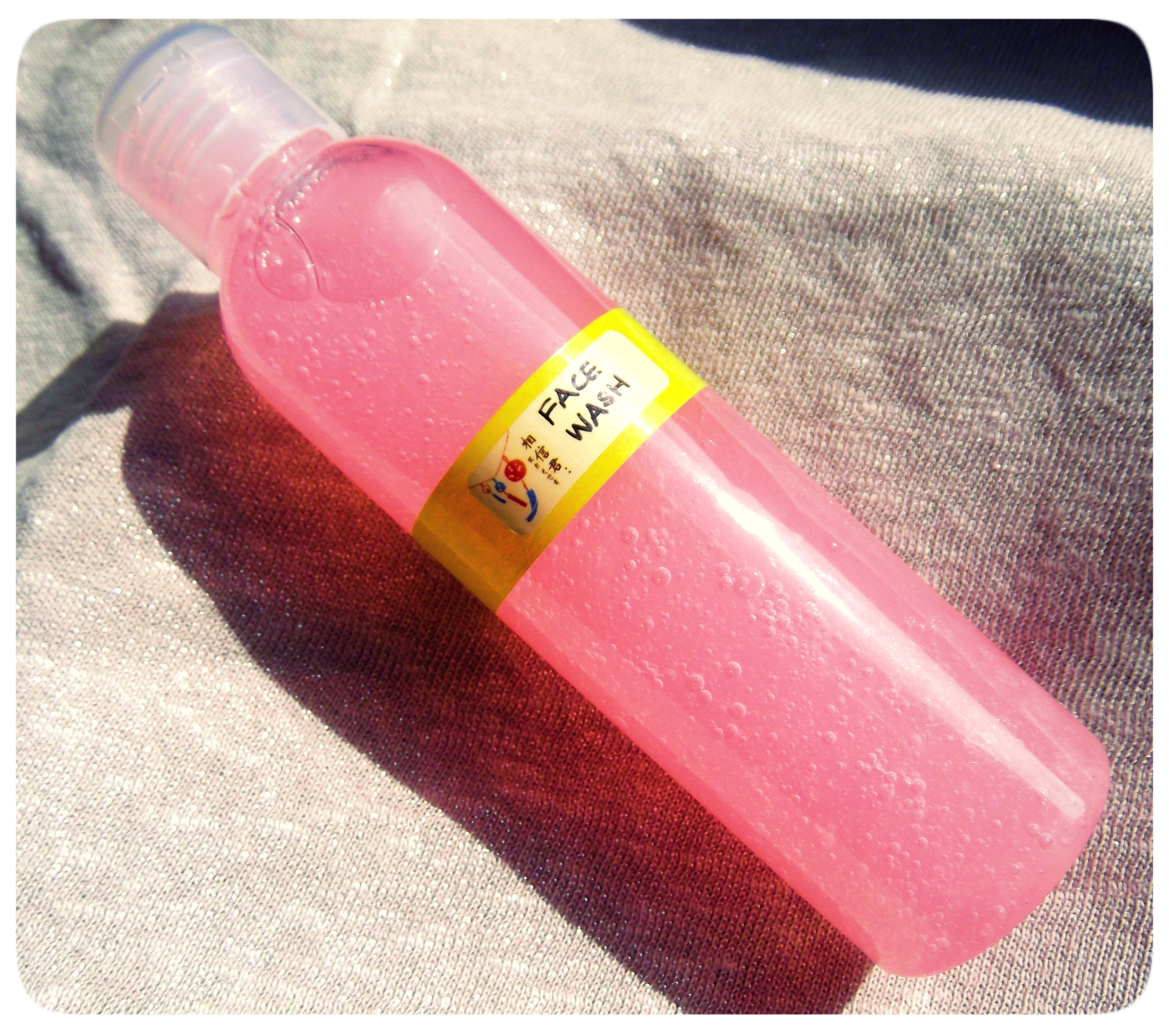
Fructose Face Wash

LAB NOTES & SAFETY NOTICE
For educational purposes only. Content reflects personal, non-professional formulation experiments and is not instructional.
No formula or information on this site is intended for commercial use, consumer application, or third-party use.
Accessing this content means you accept all risks and full responsibility for safety, testing, legal compliance, and outcomes.
[Full Legal Disclaimer & Safety Requirements]

Hello there! πŸ˜€
I made a little experiment.
Well, this is a recipe for a very very delicate face wash πŸ˜‰

fructose8

I decided to try an preserve this detergent with… SUGAR?!
Sugar at low concentration is very loved by bacteria, BUT at very high concentration (at minimum 35%) it actually “occupies” the water molecules and doesn’t let bacteria grow (IMPORTANT: this is not a suggestion to preserve your cosmetics with sugar, this is just my experiment for a theoretical idea).
I use FRUCTOSE in this recipe simply because it feels the best on the skin (it makes the detergent feel very silky and smooth), while other kinds of sugars don’t make the same effect.
Another good news about using sugar in the detergent is that it actually makes the detergent much milder and thicker! πŸ˜€

KEEP ON READING

Magic Powder Bubble Bath

LAB NOTES & SAFETY NOTICE
For educational purposes only. Content reflects personal, non-professional formulation experiments and is not instructional.
No formula or information on this site is intended for commercial use, consumer application, or third-party use.
Accessing this content means you accept all risks and full responsibility for safety, testing, legal compliance, and outcomes.
[Full Legal Disclaimer & Safety Requirements]

Here is the recipe of the “Magic Powder Bubble Bath” πŸ˜€

Magic Powder Bubble Bath 2

FORMULA:

Phase A:Β 
Sodium Bicarbonate 30
Citric Acid 25

Phase B:Β 
SLSA 20
Cocamidopropyl Betaine 10Β (this is liquid and even if water in this recipe is not the best thing… we cannot avoid this ingredient: it is the one which makes the SLSA milder in our formulation).
Cornstarch 15

Phase C:Β 
Powder Colorant (I have used Micas in this case but I could have also used food colorant powders)
Fragrance Oil (enough :D)

KEEP ON READING

How to formulate a Face Wash – with Recipe

LAB NOTES & SAFETY NOTICE
These are personal experiments for educational use onlyβ€” not instructions and not for commercial or consumer use. By proceeding, you assume all risks related to safety, testing, and regulatory compliance.
[Full Legal Disclaimer & Safety Requirements]

Now that we have studied the theory of Surfactants (here and here) and we have the values of some of them it is time to finally formulate! πŸ˜€

The recipe of today is for a very delicate Face Wash which helped me when I used to suffer of a mild but annoying and constant (meaning that my skin wasn’t covered in pimples completely but I did have a few all the time and this lasted over two years) form ofΒ acne. I should make a post about this! I used to be quite aggressive with my skin: I was scrubbing, using alcoholic toners, applying aggressive creams… but nothing was helping (on the contrary…).
Then one day I decided to give a break to my skin, I stopped scrubbing crazily, I stopped attacking my skin and I started concentrating on eating more healthy food and… TADAAA it did the trick πŸ˜€ I simply found out that all my skin needed was to be treated gently.

DIY Face Wash - Recipe

This is how the formulation was done:

KEEP ON READING

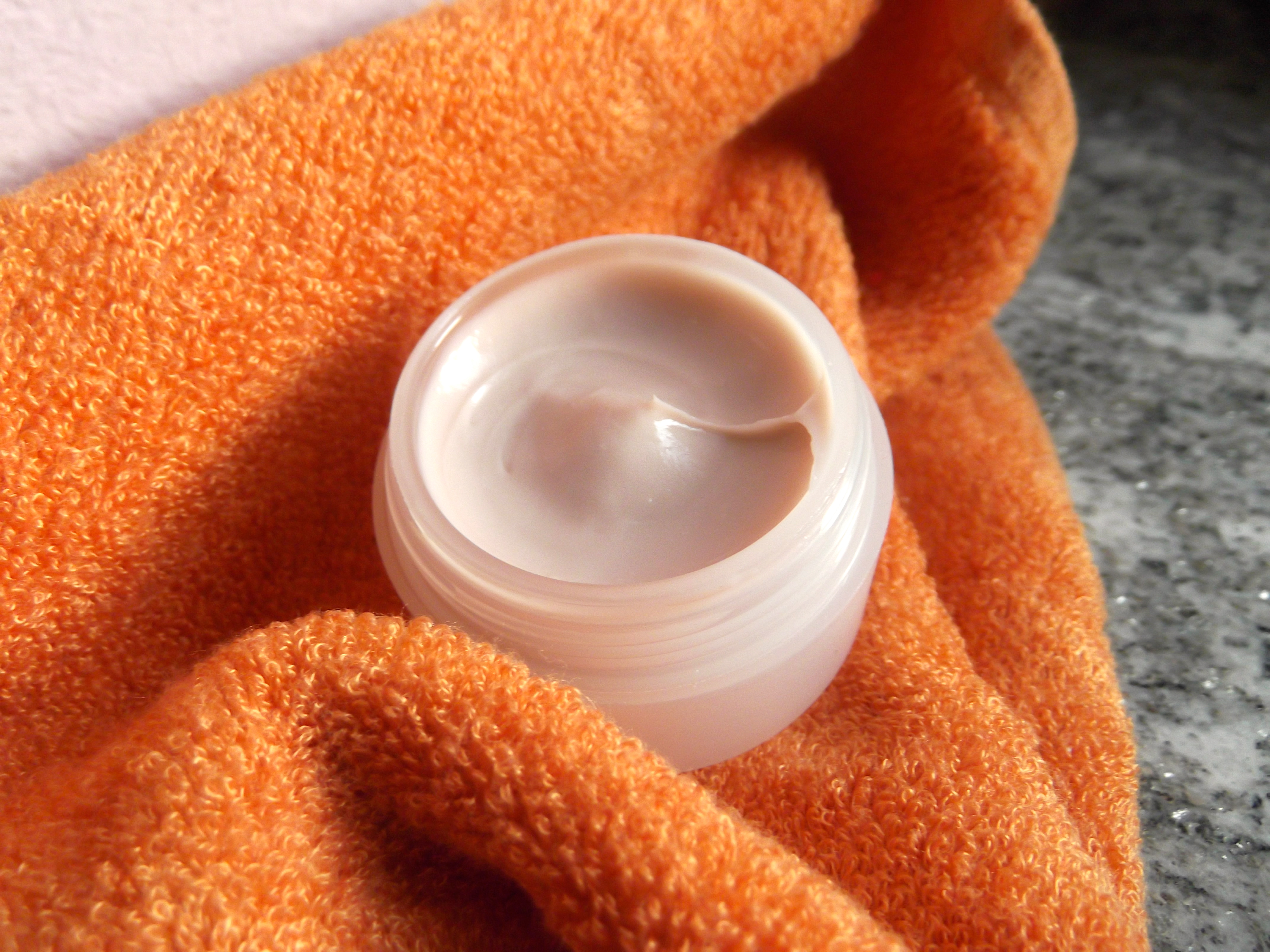
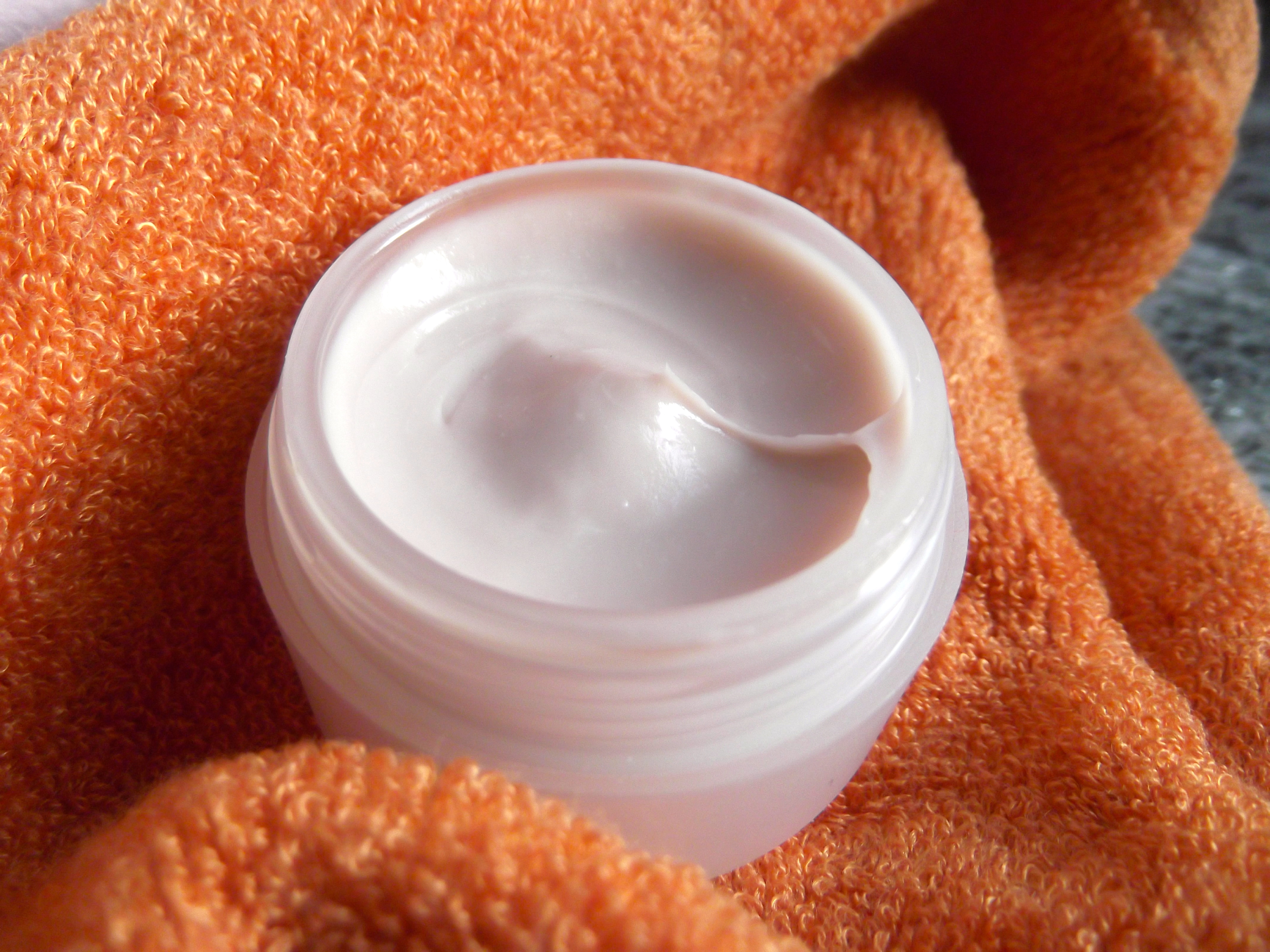
Anti-puffiness Caffeine Eye cream – Recipe

DSCF3492

LAB NOTES & SAFETY NOTICE
These are personal experiments for educational use onlyβ€” not instructions and not for commercial or consumer use. By proceeding, you assume all risks related to safety, testing, and regulatory compliance.
[Full Legal Disclaimer & Safety Requirements]

The skin of the eye area is very delicate and thin.

The “Prince Ingredient” of this cream I have formulated is CAFFEINE, which is traditionally used in eye-area formulations for its well-known de-puffing and stimulating propertie
Read the post about caffeine to know how to use it in cosmetics.

FORMULA:Β 

KEEP ON READING

How to make foot & hand cream: formulating!

LAB NOTES & SAFETY NOTICE
These are personal experiments for educational use onlyβ€” not instructions and not for commercial or consumer use. By proceeding, you assume all risks related to safety, testing, and regulatory compliance.
[Full Legal Disclaimer & Safety Requirements]

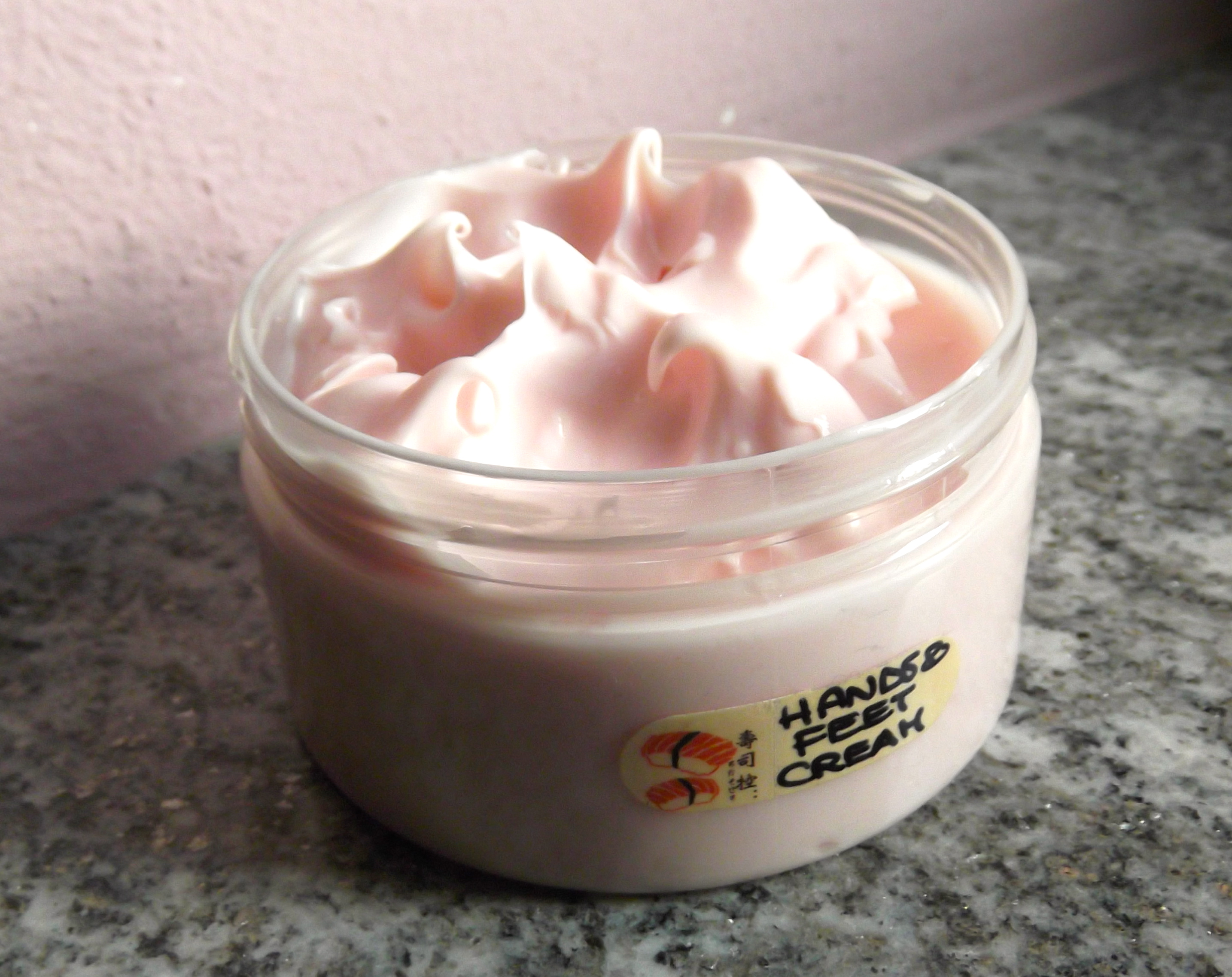
DSCF3497

Imagine we want to make a foot or hand cream: we know that it has to be rich in fats (around 20-25%) and it doesn’t need too many active ingredients or at least not the most expensive: a cream for foot and hands needs to be thick, very emollient and hydrating.

Let’s start FORMULATING:

Phase A:
water to 100Β (HERE the explanation)
– glycerin – 4 (it doesn’t need to be too low)
– xanthan gum 0.5 (it is very high for a cream and I am not adding a carbomer like I suggested to do here: the reason for this is that I am going to use in high percentage an active ingredient which would destroy completely the carbomer, so why to waste πŸ˜‰ )
Nothing to say about the phase A: except for the explanation of the choice of the gelling agent.

Phase B:
Here about the fats we know we can use even up to 25%, we don’t have problems about fatty acids and the only thing which can stop us from choosing merely out of our taste is to always remember about the GREASE-FALL rule. Just to sum it up: in the formulation of one cream you need to add butters and oils of different consistency. According to the result you want to obtain, you will try to create a gaussian wave distribution of oils and butter %: for example if you want a thick cream you will use the higher percentage of butters (but not only them!) and if you want a light cream you will use very light density oils mostly (but also a very low percentage of butter).
I never talked about waxes before, so I do it now: waxes are usually not counted into the grease-fall as their function is mostly to add a very thick and heavy feeling (but also quite dry) to the cream. However they give a good protection to the skin, creating almost a film, therefore it is a good idea to add them in our cream since feet and hands (specially in cold winters) need protection against the cold.
Now let’s formulate this grease fall πŸ™‚

One way to do the Grease-Fall it could be this:
– jojoba wax – 2
– cocoa butter – 5 (very hard butter, will also help thickening the cream)
– shea butter – 10 (quite soft butter, good consistency)
– argan oil – 5 (medium oil)
– grape seed oil – 5 (light oil, easily absorbed)
25% fats (we don’t count the waxes)

As you can see every consistency of fat is added to the cream, giving more importance (read “more percentage”) to the butter which has to give the consistency to the cream.

Another way could be also this:
– jojoba wax – 1
– beeswax – 1
– cocoa butter – 4
– shea butter – 7
– mango butter – 5
– argan oil – 4
– primrose oil – 2
– grape seed oil – 2
– jojoba oil – 1
25% fats (remember we don’t count the waxes)This just to say that once you have the grip of it you can variate very much in your formulation; however having more ingredients in number doesn’t mean having a better grease-fall or having a better cream in the end.

The recipe of the cream in the picture is done with the first example of grease-fall and this is the complete Phase B:

– jojoba wax – 2
– cocoa butter – 5Β 
– shea butter – 10Β 
– argan oil – 5
– grape seed oil – 5Β 
– Metil Glucose Sesquistearate – 3 (emulsifier)Β 
– cetyl palmitate – 1.5 (thickener)Β 
– cetyl alcohol – 1.5 (thickener)Β 

Phase C
preservative – 0.5 (this is because of my own choice of preservative: you will have to do according to what you use)
–Β aluminum starch octenyl succinate Β – 1 (this is in powder and it helps leaving a dry feeling on the skin)
Now to the important active ingredients of this cream:
Urea – 10 (it is a very good humectant because of its water-binding property and it also exfoliates the skin, helping skin regeneration. One of the bad sides of urea, however, is the fact that inside creams it tends to rise the pH, this could cause a few problems which I will explain more in detail in the post about this ingredient, for now just trust me πŸ™‚ )
gloconolactone – 2 This ingredient is an acid which, if used at 4-5%, is an exfoliant, while, if used at 2%, it has mainly a sequestrating-function (I copy pasted from a chemistry dictionary online: sequestrating isΒ the action of forming a chelate or other stable compound with an ion, atom, or molecule so that it’s no longer available for reactions) to make it simple it means that it keeps the pH stable, therefore if you add urea in your cream, always remember to add 2% of gluconolactone.
3 drops grapefruit EO, 2 drops mint EO
1 drop of food grade red color πŸ™‚ just for the final touch πŸ™‚

Step by step:
I weighted the ingredients of Phase A in this order: glycering, xanthan gum, water (keeping 15 gr of water aside for the Phase C).
I weighted the ingredients of Phase B and added them in the second becher.
I put both of the bechers in a double-boiler and checked that they reached 70Β°C.
Once reached this temperature I poured Phase B into Phase A in 3 different times, mixing with an immersion-mixer until everything looked smooth, emulsified and white.
At this point I kept stirring slowly with a spatula until the cream reached room temperature.
I weighted the Phase C and added to the 15 gr of water which I had set aside: first the urea, then the gluconolactone. I added this mixture to the cream.
Then I added the preservative and mixed with the immersion-mixer once again (the final time: it will give a better result in the cream).
Eventually I added drops of the essential oils to my taste and the same for the drop of red colorant πŸ˜‰

Now check the pH, it is fine if it is between 5 and 6 πŸ™‚ otherwise adjust it πŸ˜‰

Have a great day! πŸ˜€

DSCF3496


Creative Commons License
This work is licensed under a Creative Commons Attribution-NonCommercial-NoDerivatives 4.0 International License.

Lavender and Amber Soap Recipe


180 gr Olive oil
180 gr Coconut oil
150 gr Palm oil
30 Β  gr Castor oil
60 Β  gr Sweet Almond oil

210 gr water
85.46 gr lye

10 ml Lavender essential oil
20 ml Amber and Lavender f.o.

1 tbsp Lavender seeds

I made this soap with cold process πŸ™‚ Now it is going to dry for 6 weeks and I cannot wait to try it!
I love the smell! πŸ™‚


Creative Commons License
This work is licensed under a Creative Commons Attribution-NonCommercial-NoDerivatives 4.0 International License.