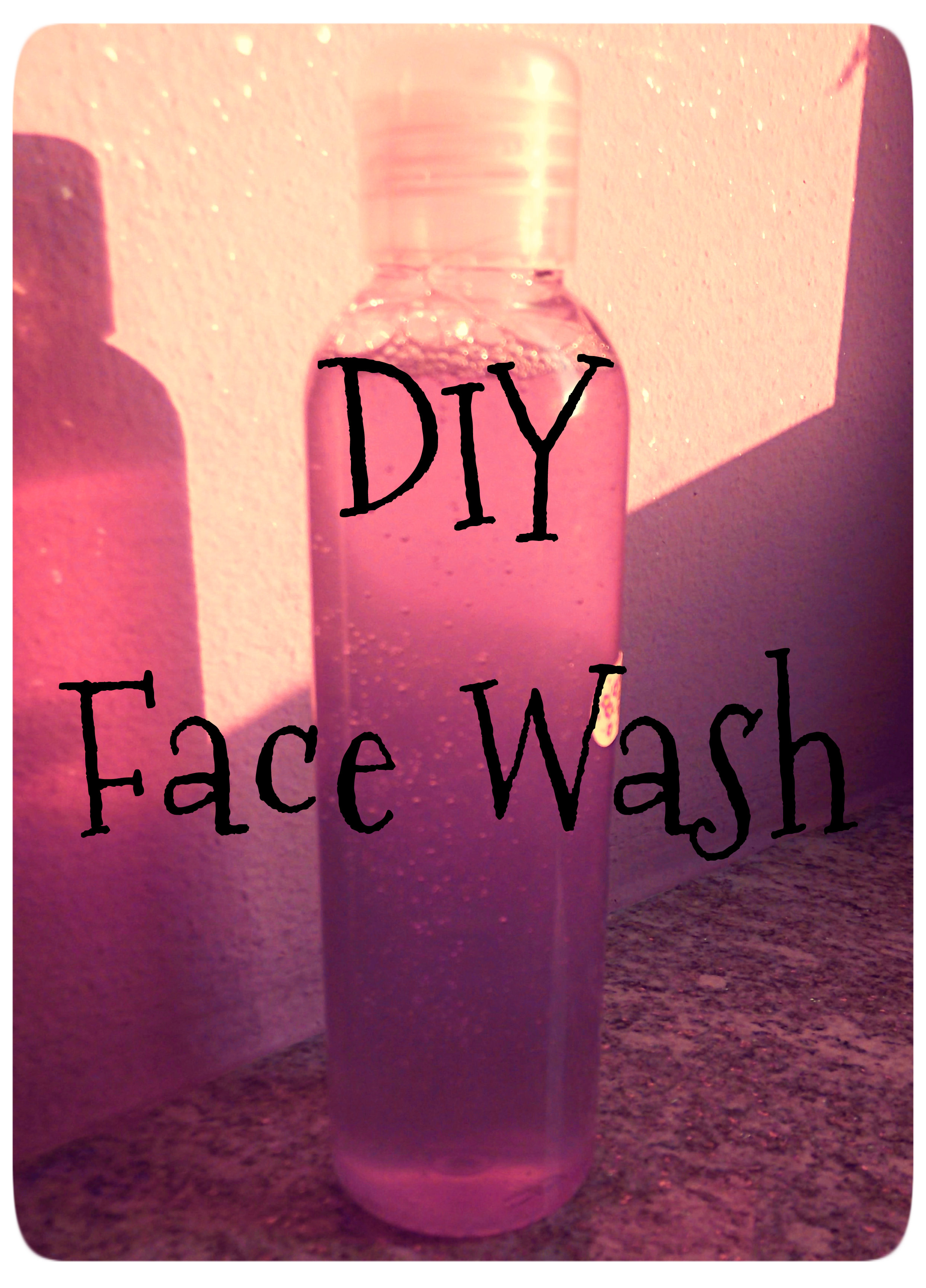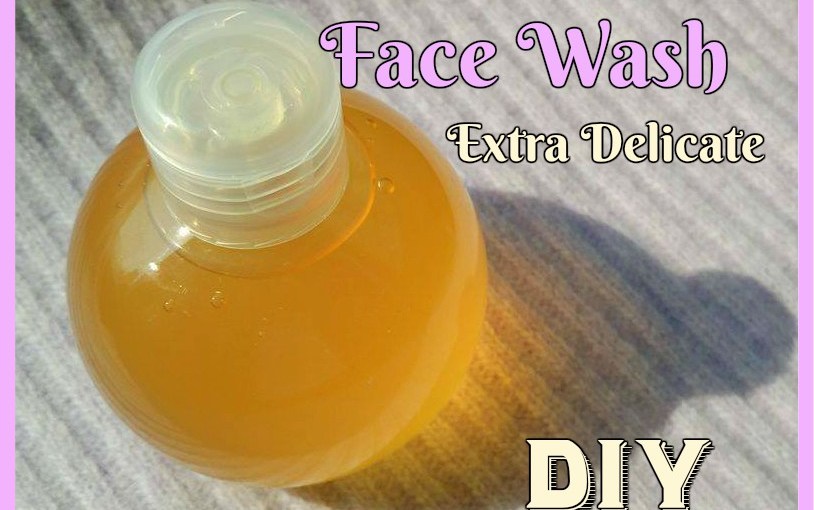
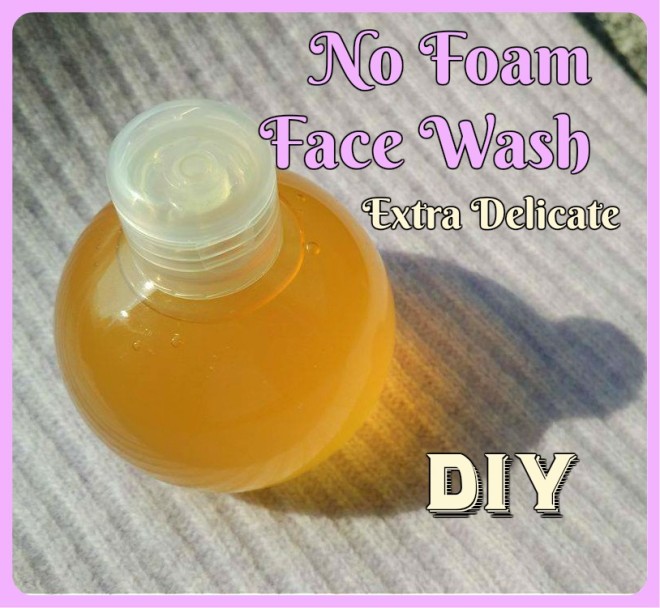
No Foam Face Wash

LAB NOTES & SAFETY NOTICE
For educational purposes only. Content reflects personal, non-professional formulation experiments and is not instructional.
No formula or information on this site is intended for commercial use, consumer application, or third-party use.
Accessing this content means you accept all risks and full responsibility for safety, testing, legal compliance, and outcomes.
[Full Legal Disclaimer & Safety Requirements]
17693126_10154162682641741_1323540383_o

Lab Note: My “No-Foam” Gentle Face Wash

Hello Hello! :D This recipe is very special to me. For two years, I struggled with a constant, annoying form of acne. I was doing everything “right” according to the commercials—scrubbing like crazy, using alcoholic toners, and applying aggressive creams. Nothing worked!

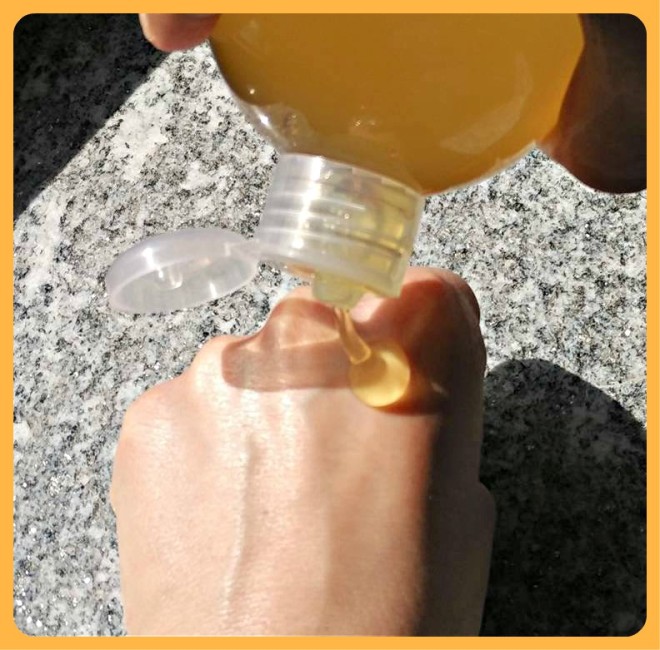
Then, I finally decided to give my skin a break. I stopped the aggression and started treating my skin with respect. This face wash was a huge part of that. It doesn’t make a big foam, and it doesn’t leave your skin feeling “squeaky” (which usually just means “stripped!“), but it cleans perfectly.

The “Why” behind the formula:

I wanted a very delicate ASM of only 6.5%. Most shampoos are 15%, so you can see how much gentler this is! I also used a “Trio” of surfactants to keep it balanced:

  • Sodium Lauroyl Sarcosinate: My primary surfactant. It’s so much softer than SLES!

  • Cocamidopropyl Betaine: Added specifically to make the first one even milder.

  • Lauryl Glucoside: A non-ionic touch to keep everything stable.

The Formula:

Phase A:

  • Water to 100

  • Glycerin 3

  • Xanthan Gum 0.5 (I add this because Sarcosinate loves to become as liquid as water! This gives it a little “body” so it doesn’t slip through your fingers.)

  • Preservative (Water-soluble!)

Phase B:

  • Sodium Lauroyl Sarcosinate – 10

  • Lauryl Glucoside – 2 (It’s a dense paste, so microwave it for a few seconds first! :D)

  • Lavender EO – 2 drops

  • Sage EO – 2 drops (I love these for acne-prone skin because they are so soothing.)

Phase C:

  • Cocamidopropyl Betaine – 6

  • Lactic Acid (To reach pH 5—this is the secret to making it dense!)


Notes from the Beaker:

  1. Mixing with Love: I mixed everything very slowly with a spoon. If you mix too fast, you get a beaker full of bubbles and you’ll have to wait ages for them to go away!

  2. The pH Secret: This is the most important part! You must lower the pH to 5 using Lactic or Citric acid. One drop at a time! When you hit pH 5, the Sarcosinate suddenly becomes dense and “creamy.” If you go lower than 5, it might go liquid again, so be careful! 😉

  3. The Order: I add the Betaine (Phase C) at the very end. Sometimes adding it too early makes the whole thing “melt” into a liquid mess.

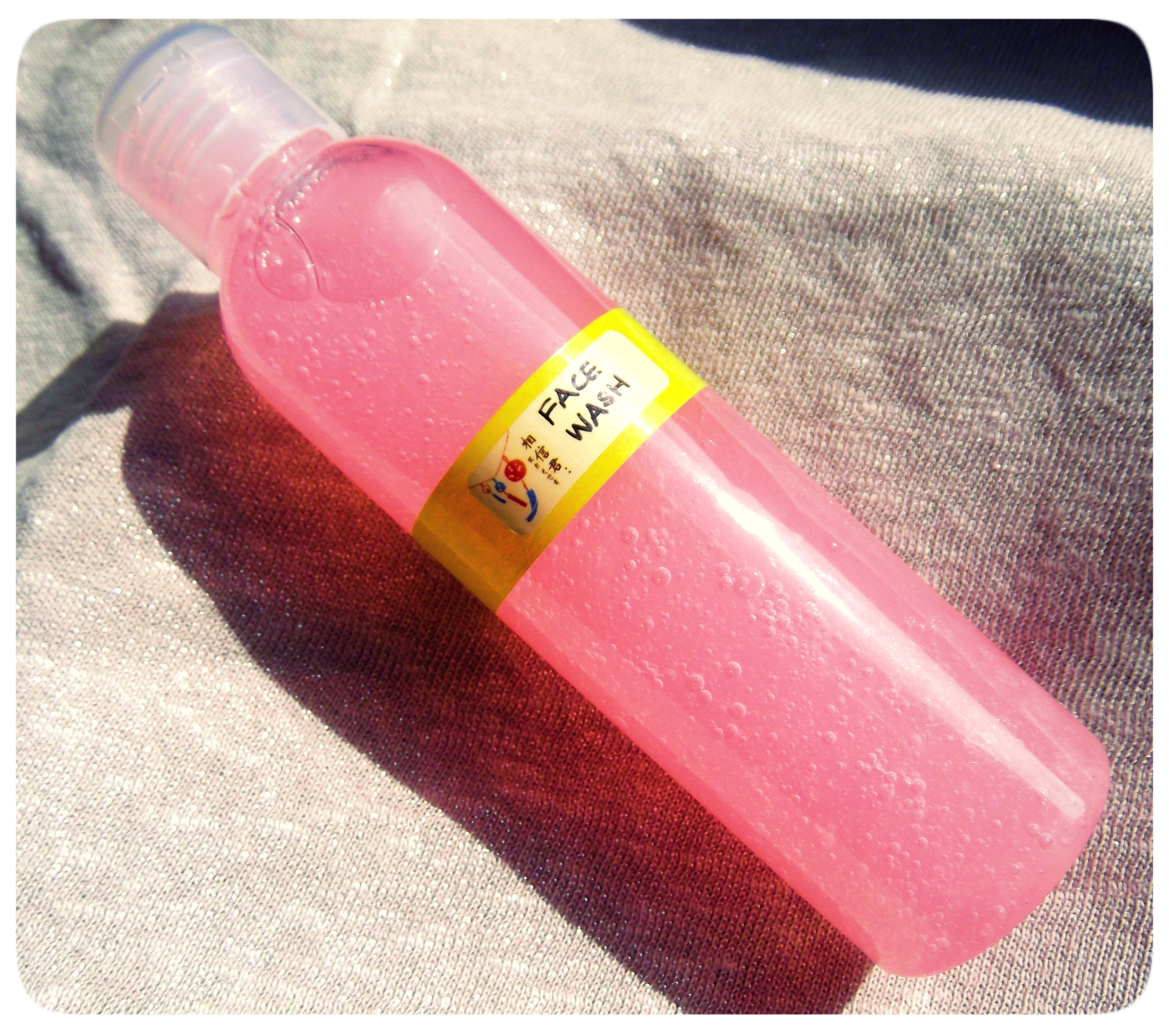
  4. A Touch of Color: I added one tiny drop of blue food coloring just to make it look pretty and fun in my bathroom.

Final Verdict: This face wash doesn’t “shout,” but it works. It leaves my skin calm, hydrated, and happy. If you are tired of aggressive products, give this a try! ENJOY! 🙂
17761561_10154162625556741_1284166204_o


How to formulate a Face Wash – with Recipe

LAB NOTES & SAFETY NOTICE
These are personal experiments for educational use only— not instructions and not for commercial or consumer use. By proceeding, you assume all risks related to safety, testing, and regulatory compliance.
[Full Legal Disclaimer & Safety Requirements]

DIY Face Wash - Recipe

Surfactant Synergy & Low-ASM Cleansing Theory

In this experimental session, I documented a highly delicate facial cleanser. The research objective was to achieve a balanced “Surfactant Trio” (Anionic, Amphoteric, and Non-Ionic) at a total concentration low enough to respect a compromised skin barrier, specifically for my skin prone to irritation-induced acne.

1. The ASM Calculation & Surfactant Rational

To ensure the formula remained “extra-mild,” I targeted an ASM of 6.5%. Most commercial face washes range from 10–15%, making this formulation significantly gentler.

  • Sodium Lauroyl Sarcosinate (Anionic): Chosen as the primary surfactant for its creamy lather and because it is significantly milder than SLES or SLS.

  • Cocamidopropyl Betaine (Amphoteric): Included to “buffer” the anionic surfactant, reducing its potential for skin penetration and irritation.

  • Lauryl Glucoside (Non-Ionic): Added to complete the trio. Non-ionics are excellent for removing oily residues while maintaining a very low irritation profile.

ASM Formula Applied:

  • Sarcosinate: $10\% \times 0.29 = 2.9$

  • Betaine: $6\% \times 0.32 = 1.92$

  • Lauryl Glucoside: $3\% \times 0.52 = 1.56$

  • Total ASM: $6.38\%$ (Validated against the 6.5% target).


Experimental Formula: Case Study #RESET-WASH-01

Phase Component % / grams Function
A Distilled Water to 100 Solvent
A Glycerin 3.0 Humectant
A Xanthan Gum 0.5 Thickener / Suspension
B Sodium Lauroyl Sarcosinate 10.0 Primary Mild Anionic
B Lauryl Glucoside 3.0 Non-Ionic Detergent
B Lavender & Sage EOs 4 drops Soothing / Antimicrobial
C Cocamidopropyl Betaine 6.0 Amphoteric Buffer
C Preservative & Lactic Acid q.s. Safety / pH Calibration

Processing Observations: Rheology & pH Dependency

  1. Gelling the Aqueous Phase: Because Sarcosinate-based systems are notoriously difficult to thicken, 0.5% Xanthan Gum was utilized. This ensures the cleanser has enough “body” to be handled easily without running off the hands.

  2. Thermal Management: Lauryl Glucoside often presents as a paste at room temperature. A brief thermal application (microwave/water bath) was required to liquefy it before integration with the Sarcosinate to prevent “fish-eyes” or lumps.

  3. The “Slow-Mix” Protocol: To avoid excessive aeration (bubbles), Phases A and B were combined using a manual stirring motion rather than high-shear.

  4. pH Calibration (The Viscosity Trigger): Sarcosinate systems are highly sensitive to pH.

    • Observation: The pH was lowered to 5.0 using Lactic Acid. At this specific acidic point, the Sarcosinate reaches its optimal density.

    • Critical Note: If the pH drops significantly below 5.0, the Sarcosinate can lose its structure entirely, resulting in a liquid failure.


Researcher Summary

This face wash represents the “Less is More” philosophy. By stripping away aggressive alcohol and harsh scrubs, and replacing them with a low-ASM surfactant blend, the skin is allowed some space. The Lavender and Sage essential oils MIGHT provide a mild antimicrobial benefit without the irritation caused by synthetic acne treatments.

Personal Observation: This formula was the turning point in my personal acne journey. It confirms that “cleaning” the skin should not mean “stripping” the skin.

DIY face wash