LAB NOTES & SAFETY NOTICE
For educational purposes only. Content reflects personal, non-professional formulation experiments and is not instructional.
No formula or information on this site is intended for commercial use, consumer application, or third-party use.
Accessing this content means you accept all risks and full responsibility for safety, testing, legal compliance, and outcomes.
[Full Legal Disclaimer & Safety Requirements]
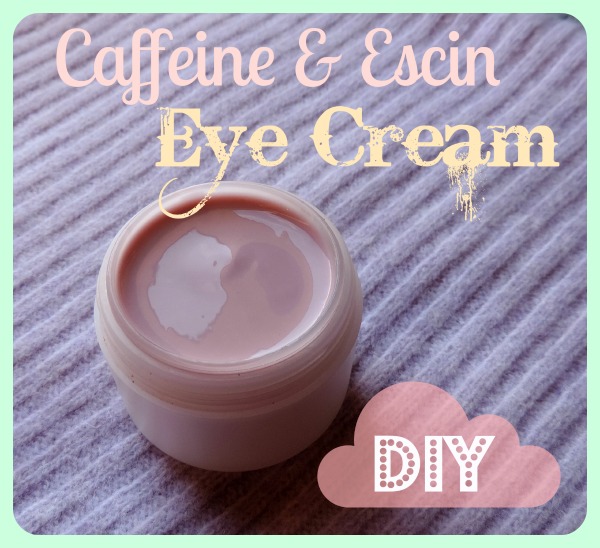
Lab Note: My “Dusty” Escin Eye Cream Experiment
Hello Hello! 😀 Today I’m looking back at a formula that required a very steady hand and a bit of patience. I wanted to create a treatment specifically for the delicate eye area, focusing on puffiness and those tired mornings. yeheee!
The star of this experiment was Escin (the active from Horse Chestnut). If you’ve worked with it, you know it’s a very fine, “dusty” powder that can be a bit of a diva to incorporate. But it’s so worth it for its ability to support microcirculation! I also included Caffeine to give the skin a little “wake-up call.”
The Formula I Used:
Phase A:
-
Distilled Water: to 100
-
Glycerin: 2.0
-
Caffeine: 0.5 (I dissolved this in the hot water phase)
-
Xanthan Gum: 0.2
Phase B (The Light Lipid Phase):
-
Methyl Glucose Sesquistearate: 3.0 (My reliable emulsifier)
-
Cetyl Alcohol: 1.0 (Just a little for stability)
-
Argan Oil: 3.0 (Rich in Vitamin E but not too heavy)
-
Rice Bran Oil: 2.0
-
Shea Butter: 0.5 (Just a tiny touch for creaminess)
Phase C (The Active Cold Phase):
-
Escin: 1.0 (The “dusty” hero!)
-
Cornflower Water (Hydrolat): 10.0 (Soothing for the eyes)
-
D-Panthenol: 1.0
-
Tocopherol (Vitamin E): 0.5
-
Preservative: (According to my usual lab choice)
Notes from my Beaker:
-
The Caffeine Trick: I made sure to add the Caffeine to Phase A while the water was hot. It dissolves much better that way, so you don’t end up with any “crunchy” bits in your eye cream!
-
Handling the Escin: This was the trickiest part. Escin is very light and dusty. I found that pre-mixing it with the Cornflower Water in Phase C to create a smooth slurry made it much easier to fold into the emulsion without it flying everywhere!
-
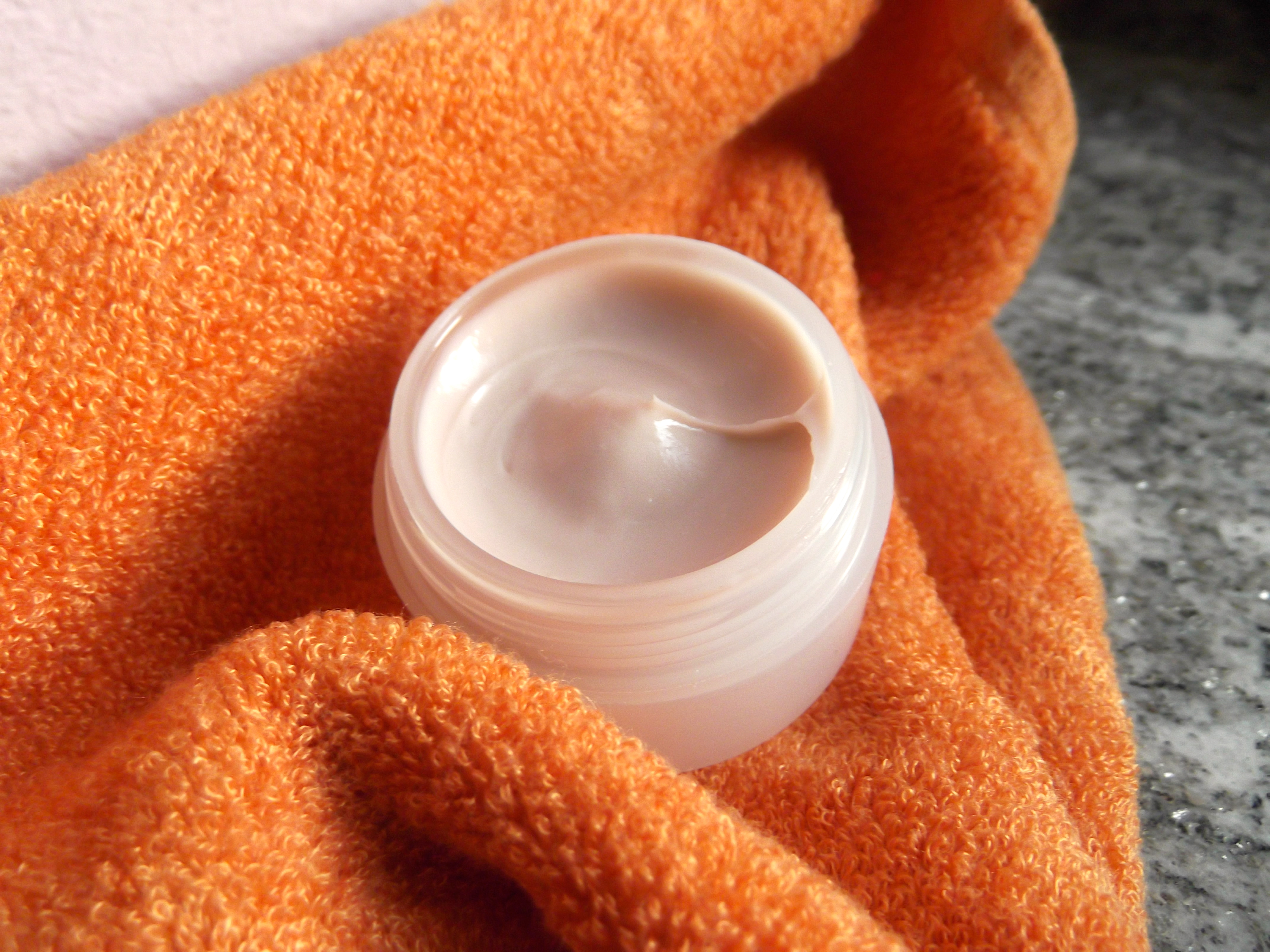
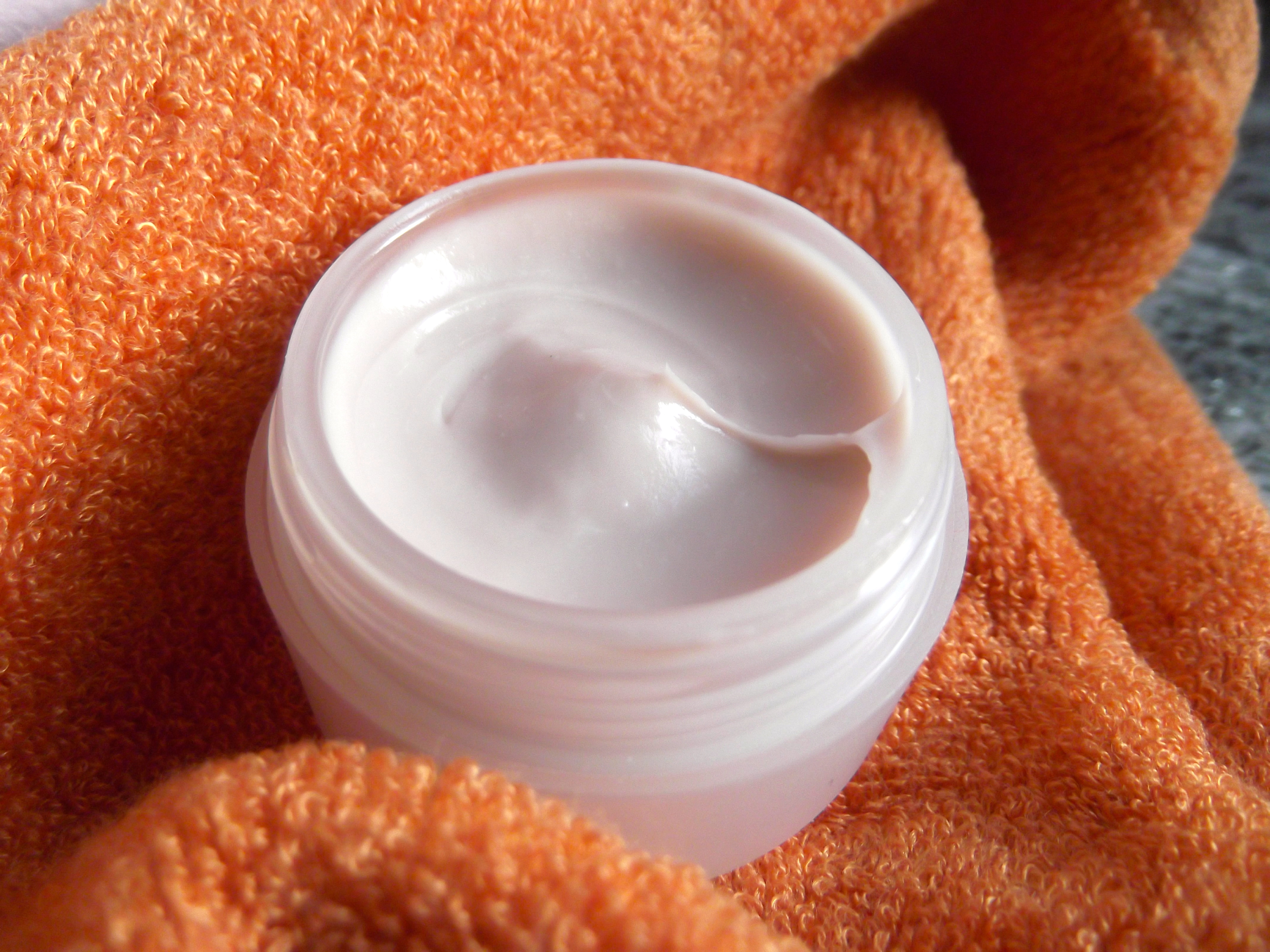
The Texture: Because it’s for the eyes, I wanted it to be light. The combination of Argan and Rice Bran oil makes it sink in quickly so it doesn’t mess up my concealer later.
-
pH is Critical: For the eye area, I was extremely careful to check the pH. I kept it right at 6.0 to 6.5. Our eyes are much more sensitive to acidity than the rest of our face, so “neutral” is the way to go here.
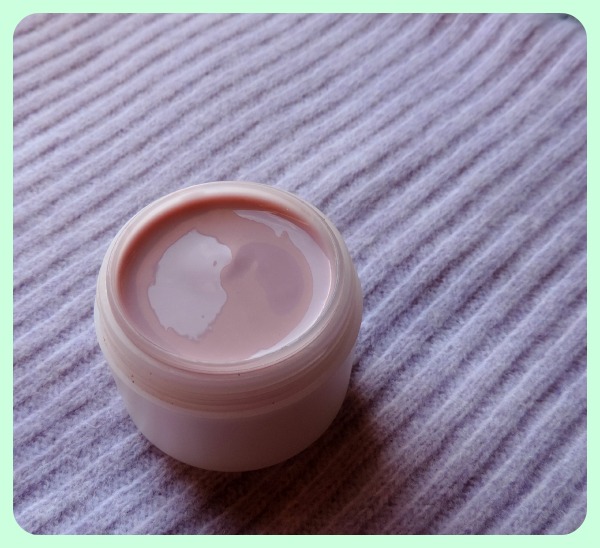
Final Verdict: I’ve been using this in the mornings, and I really notice a difference in how “awake” my eyes look. The Escin and Caffeine duo is like a double espresso for the face! It’s a bit of a “picky” formula to make, but the results are so elegant. ENJOY! 😀


 IT'S ALL IN MY HANDS