Caffeine & Escin Eye Cream DIY

LAB NOTES & SAFETY NOTICE
For educational purposes only. Content reflects personal, non-professional formulation experiments and is not instructional.
No formula or information on this site is intended for commercial use, consumer application, or third-party use.
Accessing this content means you accept all risks and full responsibility for safety, testing, legal compliance, and outcomes.
[Full Legal Disclaimer & Safety Requirements]
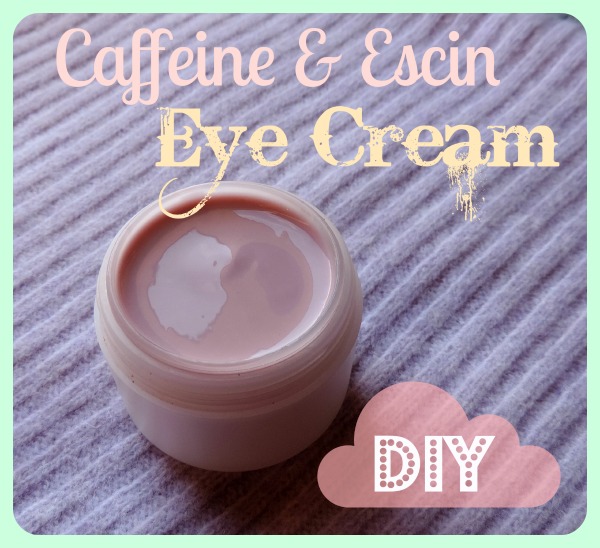
Escin and Caffeine Eye Cream

Lab Note: My “Dusty” Escin Eye Cream Experiment

Hello Hello! 😀 Today I’m looking back at a formula that required a very steady hand and a bit of patience. I wanted to create a treatment specifically for the delicate eye area, focusing on puffiness and those tired mornings. yeheee!

The star of this experiment was Escin (the active from Horse Chestnut). If you’ve worked with it, you know it’s a very fine, “dusty” powder that can be a bit of a diva to incorporate. But it’s so worth it for its ability to support microcirculation! I also included Caffeine to give the skin a little “wake-up call.”

The Formula I Used:

Phase A:

  • Distilled Water: to 100

  • Glycerin: 2.0

  • Caffeine: 0.5 (I dissolved this in the hot water phase)

  • Xanthan Gum: 0.2

Phase B (The Light Lipid Phase):

  • Methyl Glucose Sesquistearate: 3.0 (My reliable emulsifier)

  • Cetyl Alcohol: 1.0 (Just a little for stability)

  • Argan Oil: 3.0 (Rich in Vitamin E but not too heavy)

  • Rice Bran Oil: 2.0

  • Shea Butter: 0.5 (Just a tiny touch for creaminess)

Phase C (The Active Cold Phase):

  • Escin: 1.0 (The “dusty” hero!)

  • Cornflower Water (Hydrolat): 10.0 (Soothing for the eyes)

  • D-Panthenol: 1.0

  • Tocopherol (Vitamin E): 0.5

  • Preservative: (According to my usual lab choice)


Notes from my Beaker:

  1. The Caffeine Trick: I made sure to add the Caffeine to Phase A while the water was hot. It dissolves much better that way, so you don’t end up with any “crunchy” bits in your eye cream!

  2. Handling the Escin: This was the trickiest part. Escin is very light and dusty. I found that pre-mixing it with the Cornflower Water in Phase C to create a smooth slurry made it much easier to fold into the emulsion without it flying everywhere!

  3. The Texture: Because it’s for the eyes, I wanted it to be light. The combination of Argan and Rice Bran oil makes it sink in quickly so it doesn’t mess up my concealer later.

  4. pH is Critical: For the eye area, I was extremely careful to check the pH. I kept it right at 6.0 to 6.5. Our eyes are much more sensitive to acidity than the rest of our face, so “neutral” is the way to go here.

Final Verdict: I’ve been using this in the mornings, and I really notice a difference in how “awake” my eyes look. The Escin and Caffeine duo is like a double espresso for the face! It’s a bit of a “picky” formula to make, but the results are so elegant. ENJOY! 😀
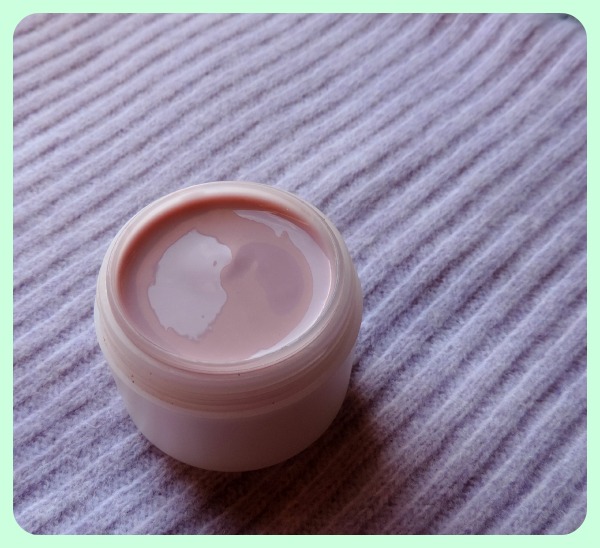
Escin and Caffeine Eye Cream14

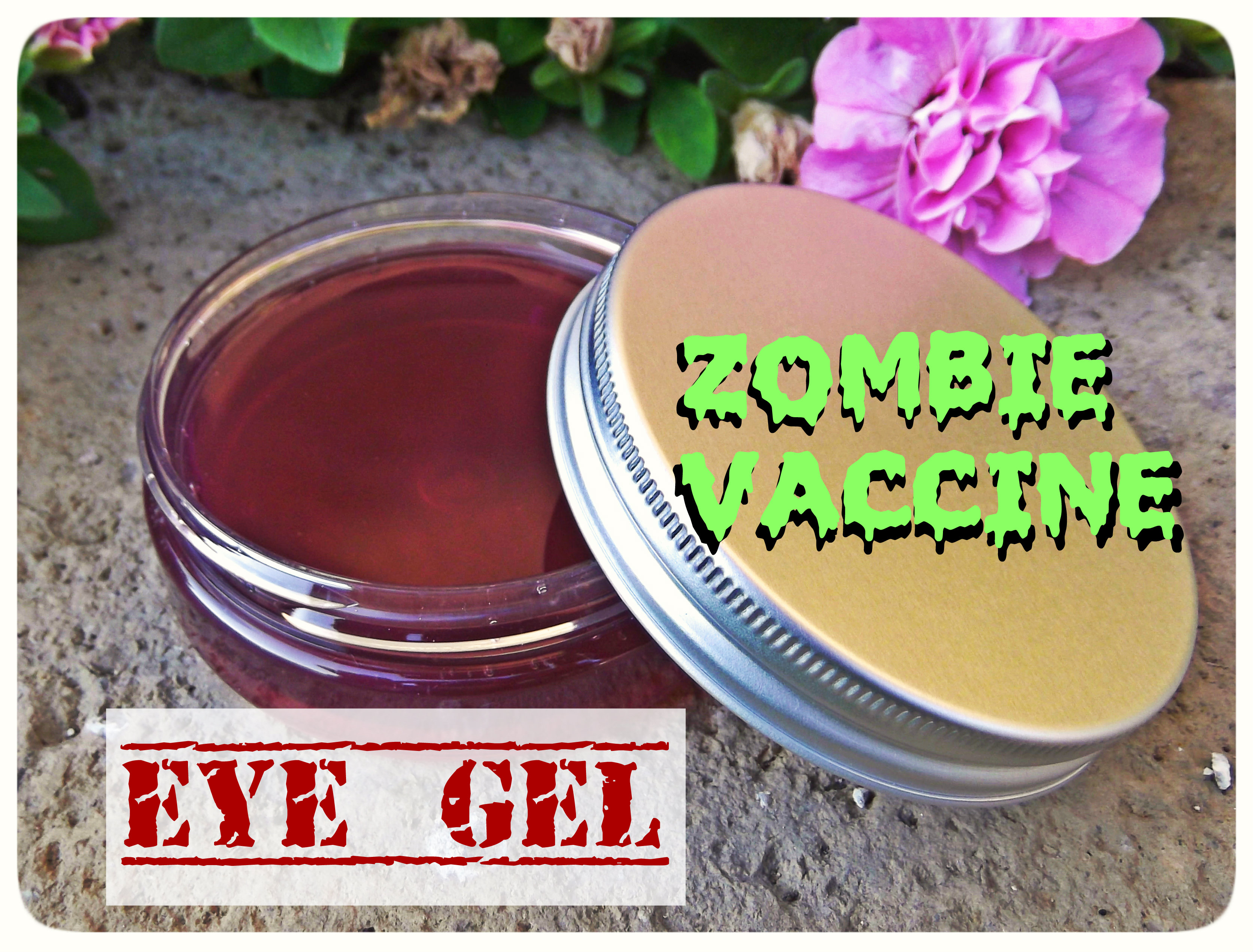
Zombie Vaccine – Lifting Eye Gel ;)

LAB NOTES & SAFETY NOTICE
These are personal experiments for educational use only— not instructions and not for commercial or consumer use. By proceeding, you assume all risks related to safety, testing, and regulatory compliance.
[Full Legal Disclaimer & Safety Requirements]

ZOMBIE VACCINE 2

ZOMBIE VACCINE 3

Lab Note: The “Zombie Vaccine” Eye Serum-Gel

Hello Hello! 😀 Who doesn’t look like a zombie in the morning? (Okay, maybe you don’t… but I definitely do!). I saw the name “Zombie Vaccine” on a coffee cup once and I knew I had to steal it for this lifting eye serum.

I’m calling this a serum because it’s made of 100% active ingredients! There are no fillers here—just pure hydration and “wake-up” magic for that delicate eye area. yeheee!

The Active Duo:

  • Caffeine: The ultimate “double espresso” for your face. It helps stimulate microcirculation to fight puffiness and those dark zombie circles.
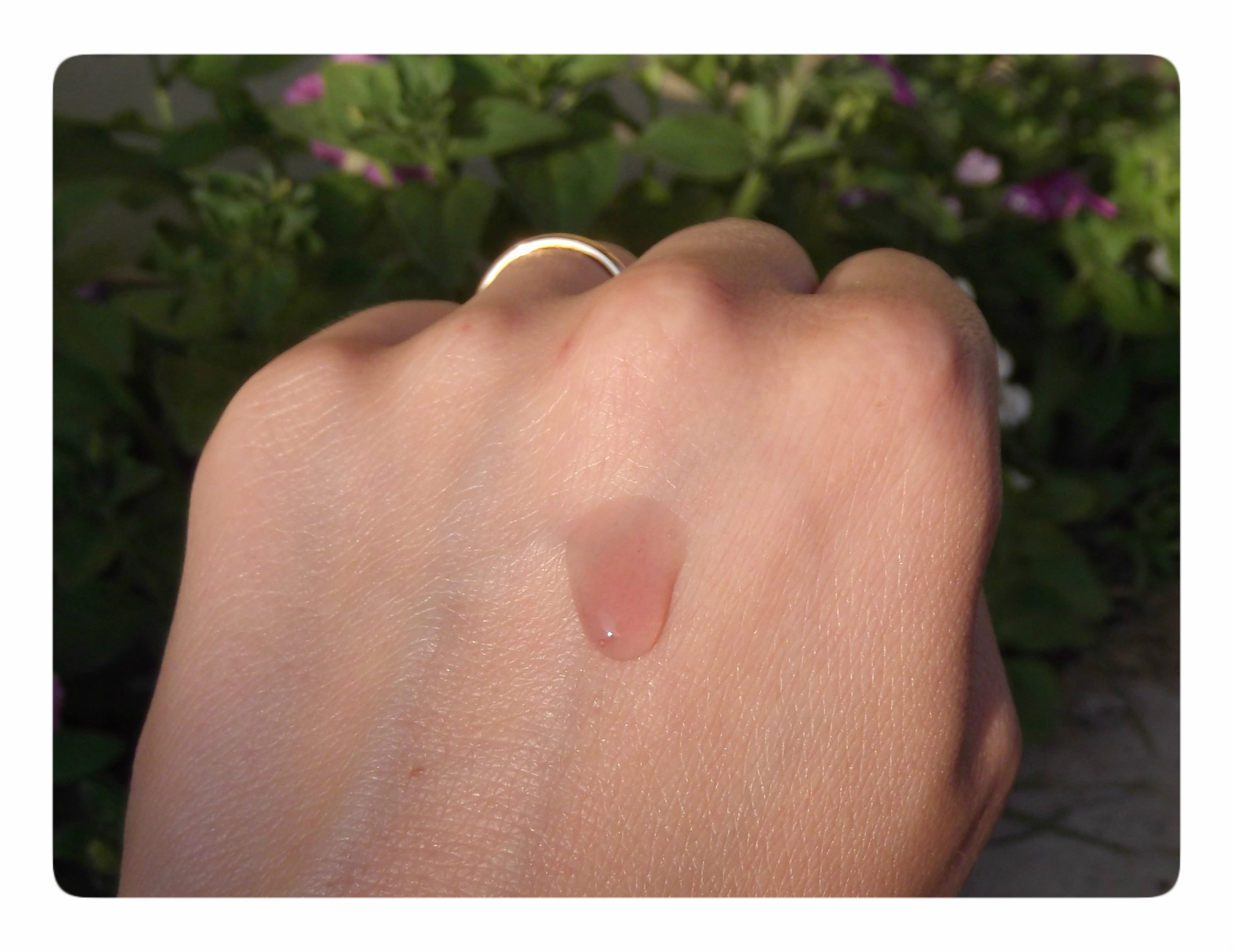
  • Sodium Hyaluronate: This is the salt form of Hyaluronic Acid. Just 1 gram is enough to turn this liquid into a beautiful, thick gel. It gives a slight “lifting” effect as it dries, while pulling hydration deep into the skin.

The Formula: Zombie Vaccine

  • Water: to 100
  • Rose Water: 30.0 (Soothing and smells like a dream)
  • Glycerin: 3.0
  • Sodium Hyaluronate: 1.0 (The gelling agent)
  • Blueberry Powder Extract: 0.3 (Antioxidant power!)
  • Caffeine: 2.0 (The anti-puffiness hero)
  • Preservative (Cosgard): 1.0

Notes from my Beaker:

  1. The Caffeine Challenge: Caffeine can be a bit of a diva. I mixed the water, rose water, glycerin, and caffeine together and heated it very slowly, stirring constantly. You have to make sure it’s fully dissolved—and then I prayed it wouldn’t crystallize into needles as it cooled down! 😀 (Luckily, it stayed smooth).
  2. The “No-Stir” Gelling: Once the liquid was completely cool, I added the preservative and the blueberry extract. Then came the Sodium Hyaluronate. I just poured it on top and did not stir.
  3. The Waiting Game: I covered the beaker with plastic wrap and walked away. I gave it a tiny mix after a few hours, but mostly I just let it sit. It takes about a day and a half for the Hyaluronate to fully hydrate into a clear, thick gel.
  4. pH Check: I checked the pH and it was a neutral 7.0. Since it’s for the eyes, I left it right there!

Final Verdict: This serum is so refreshing in the morning! It’s light, it’s cold, and it really helps “tighten” things up so I look a bit more human and a bit less zombie. ENJOY! 😀 😀 😀

Caffeine – formulating

LAB NOTES & SAFETY NOTICE
These are personal experiments for educational use only— not instructions and not for commercial or consumer use. By proceeding, you assume all risks related to safety, testing, and regulatory compliance.
[Full Legal Disclaimer & Safety Requirements]

CAFFEINE is a quite common cosmetic ingredient. It can be found mostly in eye creams or anti-cellulite products but lately it has been added even to soaps or shower gels.
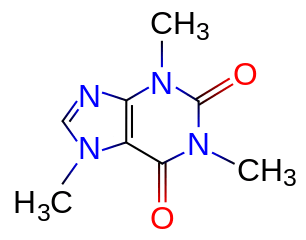
306px-caffeine-svg
Chemical Name: Caffeine
Chemical Formula: C8-H10-N4-O2
Molecular Weight: 194.2 g/mole
Color: White.
pH (1% soln/water): 6.9 [Neutral.]
Solubility: The product is equally soluble in oil and water; log(oil/water) = -0.1.
Caffeine is moderately soluble in water at room temperature (2 g/100 mL), but very soluble in boiling water (66 g/100 mL). It is also moderately soluble in ethanol (1.5 g/100 mL). It is weakly basic (pKa = ~0.6) requiring strong acid to protonate it.
Incompatibilities with Other Materials: Strong oxidizing agents.
Hazardous Decomposition Products: Nitrogen oxides, carbon monoxide, irritating and toxic fumes and gases, carbon dioxide.
(Source: here and here)

KEEP ON READING

Anti-puffiness Caffeine Eye cream – Recipe

DSCF3492

LAB NOTES & SAFETY NOTICE
These are personal experiments for educational use only— not instructions and not for commercial or consumer use. By proceeding, you assume all risks related to safety, testing, and regulatory compliance.
[Full Legal Disclaimer & Safety Requirements]

Lab Note: Caffeine & Ceramide Eye Cream

Hello Hello! :D The skin around our eyes is the thinnest and most delicate on our entire face. For this formula, the “Prince Ingredient” is Caffeine, which I’ve used for its famous stimulating and de-puffing properties.

I wanted this cream to feel light but also “substantial,” so I designed a grease-fall with a bit more butter (Avocado and Shea). This gives it a slightly thicker, more protective feeling while keeping all the fat densities balanced! yeheee!

The Formula: Eye Nutrition

Phase A (The Active Base):

  • Water: to 100
  • Fleur-de-lis Hydrolat: 10.0 (Soothing floral water)
  • Glycerin: 3.0
  • Xanthan Gum: 0.1 / Carbopol Ultrez 21: 0.3
  • Caffeine: 2.0 (The “De-puffer”)

Phase B (The Butters & Oils):

  • Methyl Glucose Sesquistearate: 3.0 (Emulsifier)
  • Cetyl Alcohol / Cetyl Palmitate: 1.0 / 0.5 (Thickeners)
  • Avocado Butter: 1.0 / Shea Butter: 2.0
  • Tocopherol (Vitamin E): 1.0
  • Argan / Evening Primrose / Jojoba Oil: 1.0 each

Phase C (The Cold Additions):

  • Oily Part: Rose Hip Oil (1.0), Bisabolol (0.5), Mixed Ceramide Complex (2.0)
  • Water Part: Allantoin (0.5), Hydrolyzed Oat Protein (2.0), Blueberry Dry Extract (0.5), Hyaluronic Acid Solution 1% (3.0)
  • Preservative: 1.0
  • Fragrance: 2-3 drops

Notes from my Beaker:

  1. The Allantoin Melt: As I always say, Allantoin can be temperamental and leave “grit” in your cream if you aren’t careful. I ensured it was completely “melted” into the hydrolyzed oat proteins before adding it to the cool cream.
  2. Heat Management: I kept the Rose Hip Oil for Phase C because it is quite sensitive to heat. Adding it at room temperature keeps its properties intact!
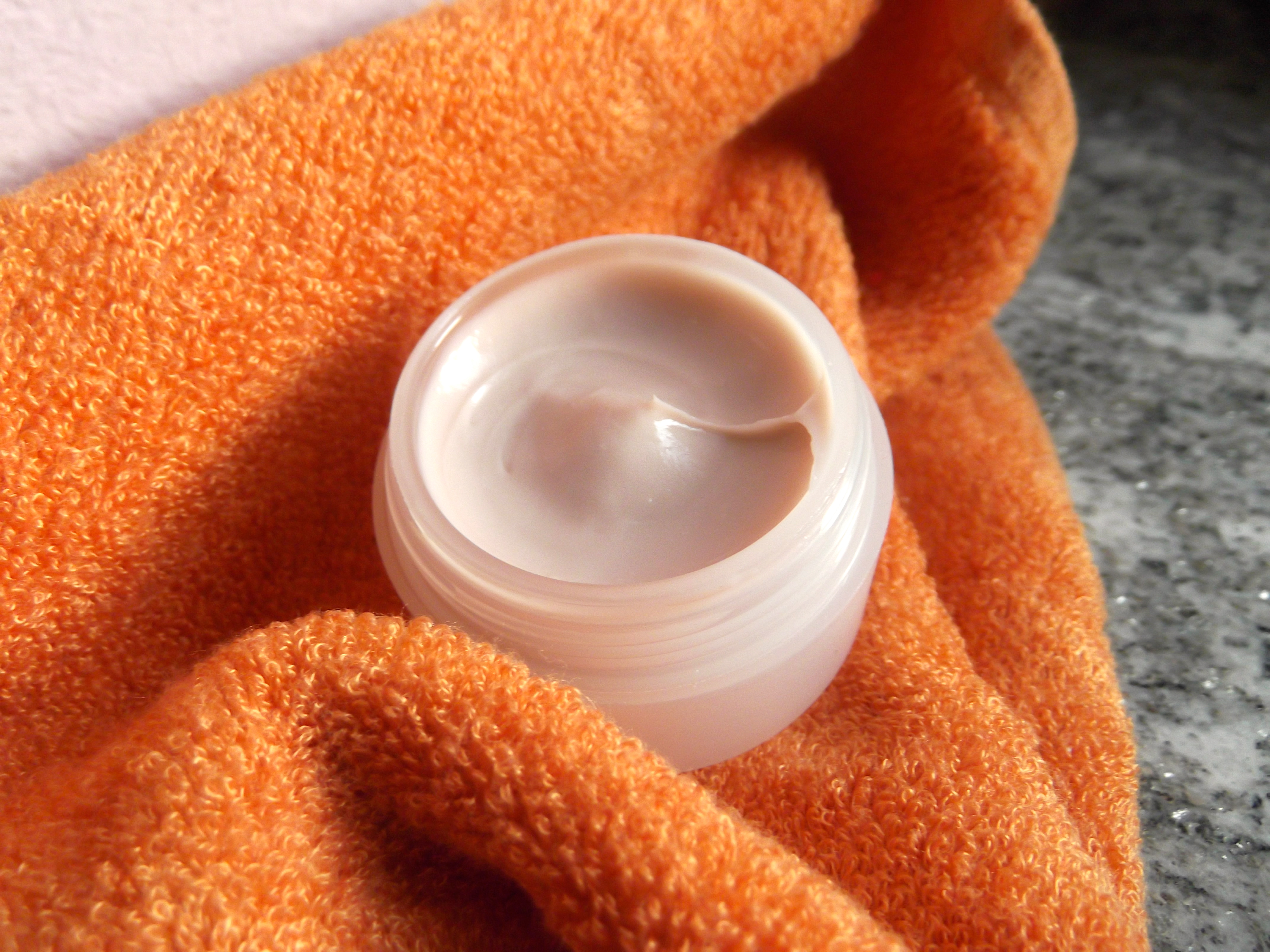
  3. The Color: The Blueberry Extract is a powder that gives the cream a lovely, soft color (as you can see in the photos!).
  4. Emulsification: I heated A and B to 70°C, poured B into A, and used the immersion mixer until it was a perfect white. Then, the long stir (30 mins!) with a spatula until cool.
  5. The Texture Trick: After adding all of Phase C and the preservative, I used the immersion mixer one last time. This really improved the final texture and made it look professional!
  6. pH Check: For this eye cream, I aimed for a pH of 6.5.

Final Verdict: This cream feels incredibly nourishing. It’s the perfect follow-up to a morning eye serum, providing that barrier of ceramides and butters that keeps the eye area looking rested and hydrated all day long. ENJOY! 😀

DSCF3493