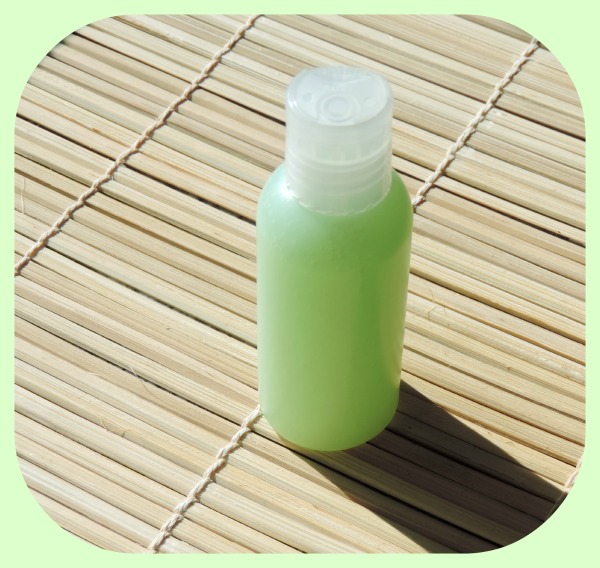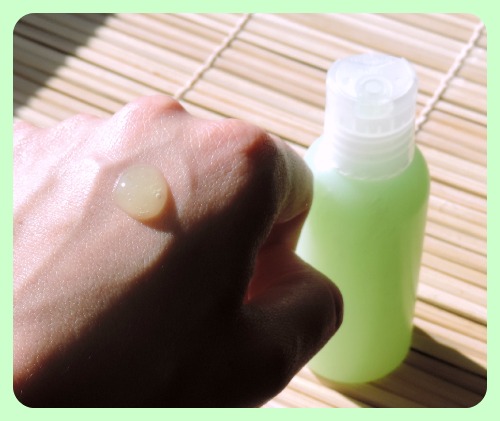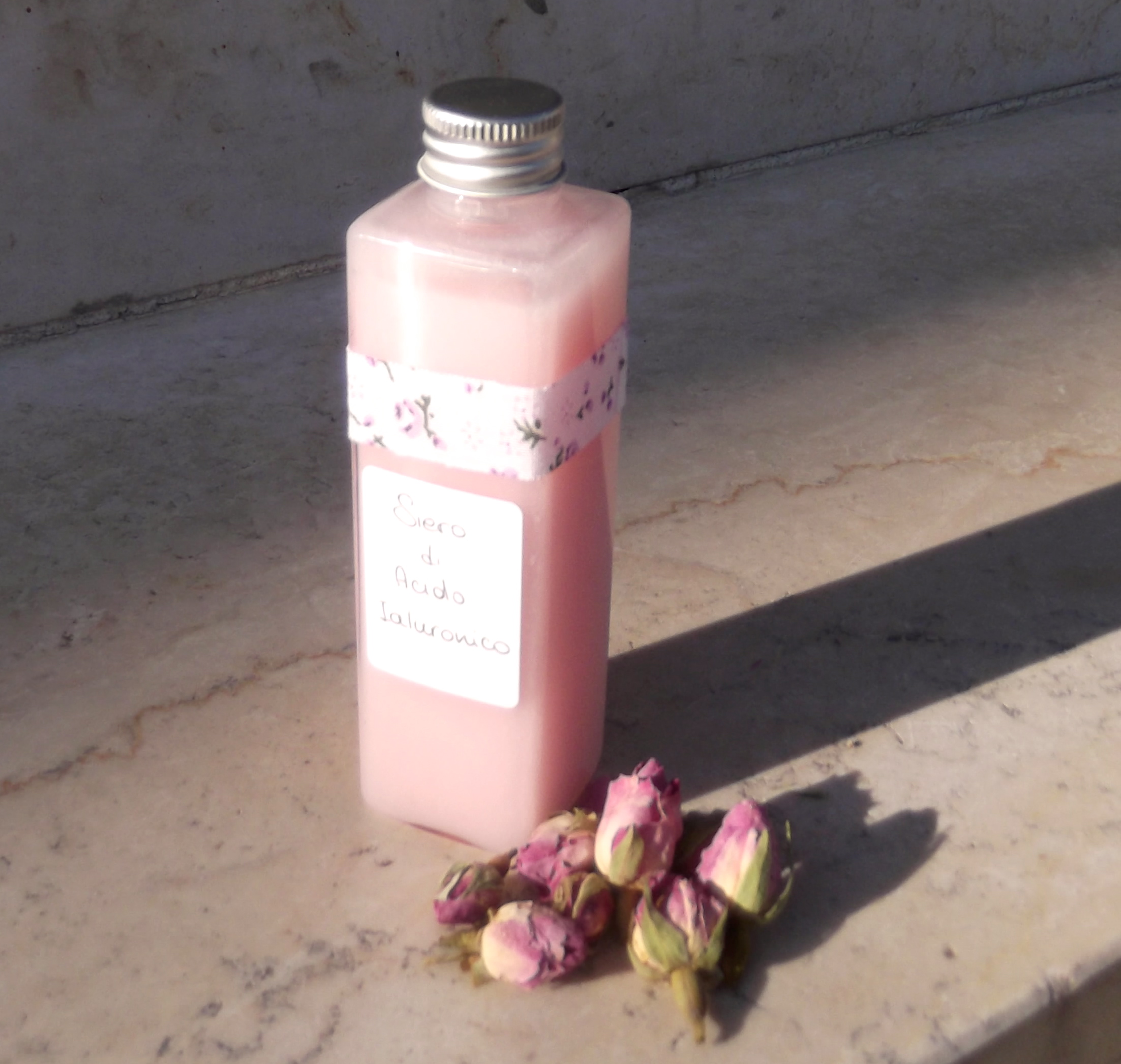
“Hydrating Elixir” Serum with Hyaluronic Acid

LAB NOTES & SAFETY NOTICE
For educational purposes only. Content reflects personal, non-professional formulation experiments and is not instructional.
No formula or information on this site is intended for commercial use, consumer application, or third-party use.
Accessing this content means you accept all risks and full responsibility for safety, testing, legal compliance, and outcomes.
[Full Legal Disclaimer & Safety Requirements]
Hello Everyone!
Today I am sharing the formula of a super hydrating serum! It is simple to make, it contains ingredients that are rather easy to find and I found it highly performing!

Hyaluronic Acid and Sodium Lactate Serum 6

Where I live we have had over 40°C and so I decided to formulate something that would behave well if stored in the fridge (just to be sure: the preservativing system still needs to be added. Storing anything in the fridge doesn’t preclude the use of a preserving system in cosmetics. Repeat with me: THERE IS NO ESCAPE FROM PRESERVATIVES! 😀 good, now you can continue reading). One of the cosmetics I always store in the fridge is the basic Hyaluronic Acid Gel (you can find the recipe HERE), so I have simply “upgraded” the formula (I have already posted two recipes for two upgraded versions of the Hyaluronic Acid Gel, you can find them Here and Here).

KEEP ON READING

Hyaluronic Acid Serum for Problem Skin

LAB NOTES & SAFETY NOTICE
For educational purposes only. Content reflects personal, non-professional formulation experiments and is not instructional.
No formula or information on this site is intended for commercial use, consumer application, or third-party use.
Accessing this content means you accept all risks and full responsibility for safety, testing, legal compliance, and outcomes.
[Full Legal Disclaimer & Safety Requirements]

Hello there! 😀

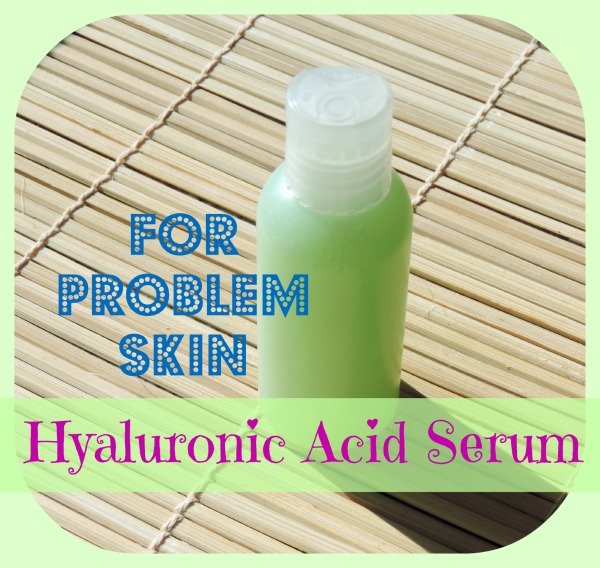
Hyaluronic Acid Serum for Problem Skin

Today I am back with a recipe for an extremely simple yet effective serum… however there are a couple of things I need to say first!
1) This serum is formulated to help a problematic skin. With this I intend a skin which suffers of mild blemishes every now and then, maybe a little irritated and with a few red marks left by previous spots, add an oily T-zone… and that should be it 😀 . The ingredients of this serum will HELP the skin keep hydrated, will help keeping the oiliness under control and will help to soothe the skin (it might also have some effect against the red marks). Obviously, this serum is NOT A CURE for acne or for serious conditions: it is just a help. I want to underline this because too often, online, we read about “the final cure for blablablaaa” but this is not the case 😀

So here is the Serum FORMULA:

KEEP ON READING

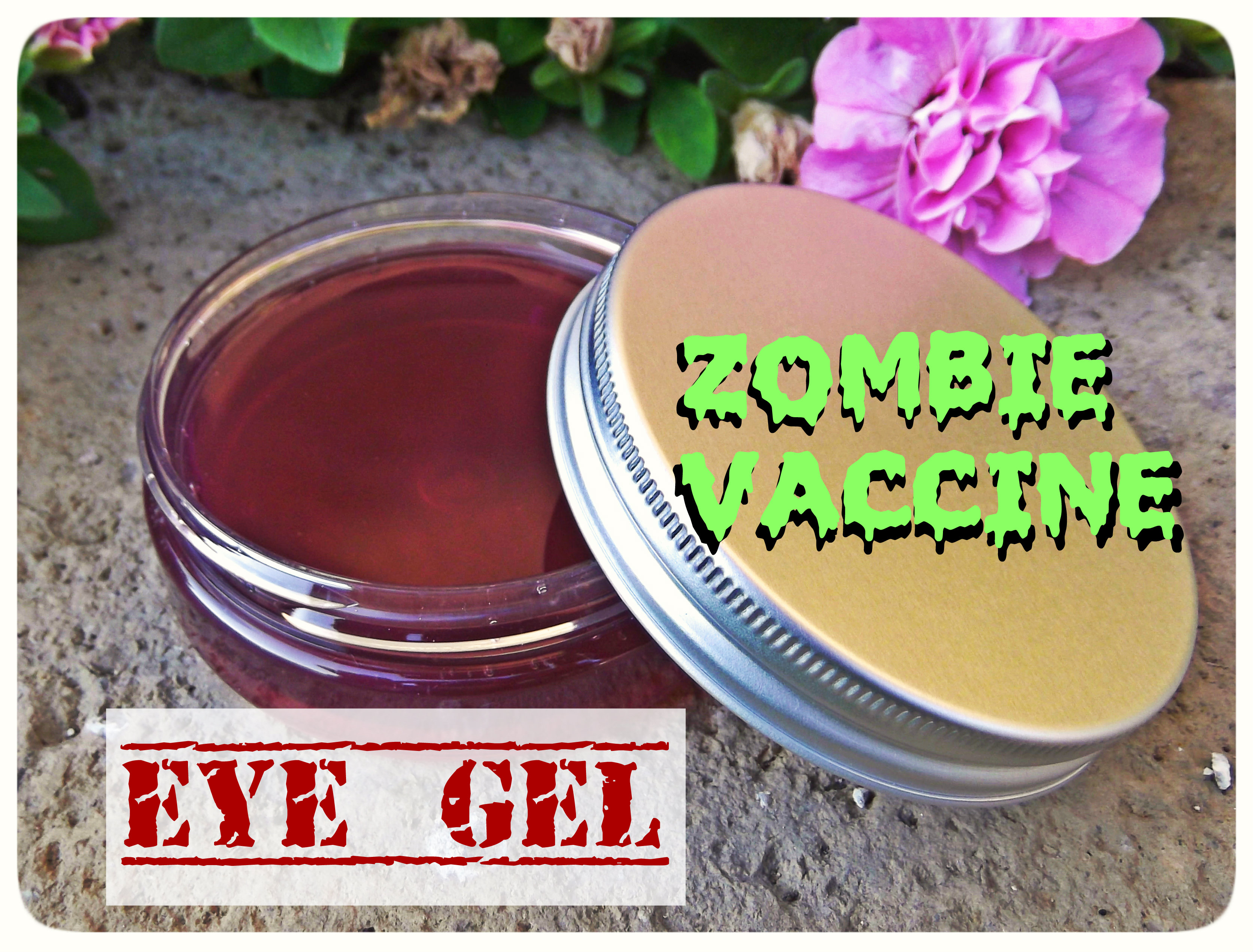
Zombie Vaccine – Lifting Eye Gel ;)

LAB NOTES & SAFETY NOTICE
These are personal experiments for educational use only— not instructions and not for commercial or consumer use. By proceeding, you assume all risks related to safety, testing, and regulatory compliance.
[Full Legal Disclaimer & Safety Requirements]

Who doesn’t look like a zombie in the morning? (ok maybe you don’t… but I do! 😀 )
So here is a simple recipe for deleting that zombie face!!! 😀

[unfortunately the name “zombie vaccine” is not my invention: I had seen it on a funny coffee cup but couldn’t resist using it for this eye gel! :D]

ZOMBIE VACCINE 2

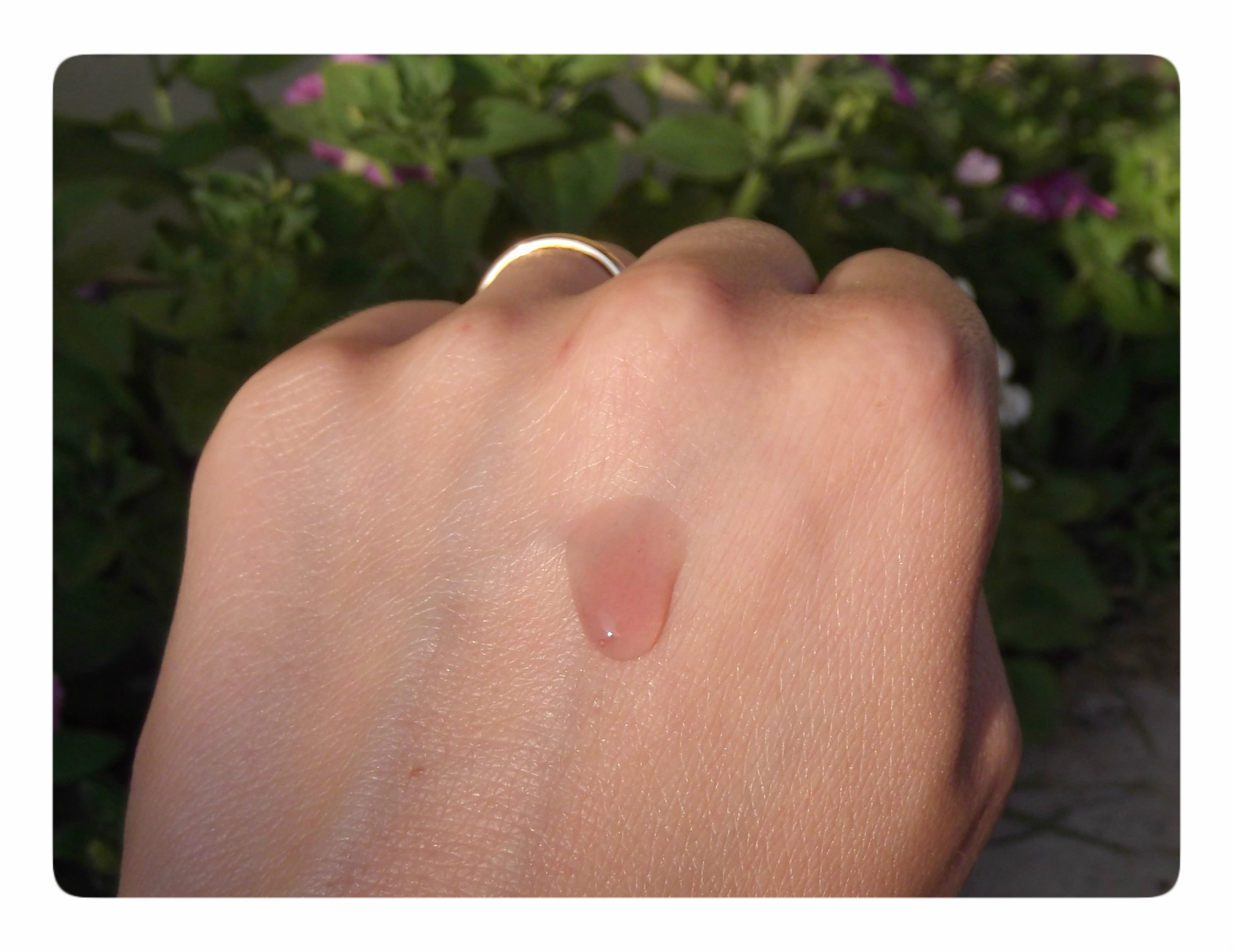
Today I have decided to share the recipe for this lifting eye serum-gel with you!
Yes, I have called it “serum” because it is made of 100% active ingredients 😉 let me show you how…

ZOMBIE VACCINE 3

KEEP ON READING

DIY Vitamin C Serum

LAB NOTES & SAFETY NOTICE
These are personal experiments for educational use only— not instructions and not for commercial or consumer use. By proceeding, you assume all risks related to safety, testing, and regulatory compliance.
[Full Legal Disclaimer & Safety Requirements]

Vitamin C is a very powerful substance and it is found in many commercial products for the skin because it is a strong antioxidant, it has lightening properties and, last but not least, it helps the production of collagen (therefore you are left with a firmer skin).

Vitamin C is “ascorbic acid” (you could also find “L-ascorbic acid”) but in the creams you buy, if you read the ingredients, you will never find “ascorbic acid”, probably you will find “sodium ascorbyl phosphate” or “magnesium ascorbyl phosphate” (there are also other forms of Vitamin C, this is a mere example). What is this?
Well, Vitamin C has great properties but it doesn’t keep stable: it oxidizes even in contact with air, with light… (this is why if you make fresh orange juice you should drink it immediately after), so in order to be able to add this vitamin in our face creams, cosmetologists use a stabilized form of Vit C: if in the ingredients of your cream you read an ingredient which contains the word “ascorbyl”, to make it very simple, that is the stabilized form of Vitamin C.

These stabilized forms are many and they are growing in number all the time. They are not something negative (and even I use them in the making of Vitamin C creams… maybe I will post a recipe soon about it 🙂 ), however their properties are not 100% the same of the pure Vitamin C.

Today I am going to show you how I make my own, and in my opinion most effective, VITAMIN C SERUM.

The only way to use pure Vitamin C (therefore “L-ascorbic acid”) effectively is to use it right away and make a new serum all the time.
This is why the recipe of today, unlike all the cream recipes I have shown before, is not in 100 gr but it is in very small amounts.

“FORMULA” (it is so simple I am not sure I can call it that 😀 ) 
(first part)
1 teaspoon demineralized purified water 
1/8 teaspoon L-ascorbic acid 
Glycerin (a single drop)
I mix these two ingredients in a bowl and measure the pH
WARNING! Measuring the pH is important!
The reason why I measure the pH at this stage is because Ascorbic acid is obviously an acid (and it is also very strong) so you don’t want to apply on your skin something of pH 2… however Vitamin C is well absorbed (and used) in your skin only at a pH range of 3.5 or lower. Therefore I check the pH of the solution and if I see it lower than pH 3.5 I adjust the pH by adding a little bit more water. I keep checking the pH until it reaches 3.5 pH.

At this point I apply it to my face using a brush or even my fingers, and I keep applying even in multiple layers until the water is finished.
WARNING! I do not apply it to the eye area nor do I keep it on my skin too long. If it tingles I wash it off immediately.

The second part of the FORMULA is this:
2 drops of Vitamin E (Tocopheryl acetate or Tocopherol).
I put these two drops on my figers and tap my face, I let it it sit on my skin for 20 minutes and wash it off

This is my personal easiest, most effective Vitamin C serum. I use it once or twice a week, but only if I don’t go in the sun those days.

Vitamin C serum


How to formulate a SERUM

Hyaluronic Acid Serum

LAB NOTES & SAFETY NOTICE
These are personal experiments for educational use only— not instructions and not for commercial or consumer use. By proceeding, you assume all risks related to safety, testing, and regulatory compliance.
[Full Legal Disclaimer & Safety Requirements]

We’ve talked about how lotions are formulated, but what about serums? What exactly are they, and how are they generally put together? 🙂

Serums are products with a few distinctive characteristics:

  1. they tend to be very light systems (often associated with a low fat content, usually around 2% and rarely above 4%),

  2. they are typically fluid rather than creamy,

  3. they contain a high concentration of active ingredients,

  4. they are often formulated without heating (largely as a consequence of the points above),

  5. their role is usually described as providing an extra “boost” of targeted ingredients to the skin.

In that sense, serums and creams are often thought of as having different purposes. Creams are mainly associated with emollience and hydration, while serums are generally linked to delivering higher levels of specific actives such as vitamins, antioxidants, or anti-aging ingredients. Wanting a serum to behave like a rich moisturizing cream is a bit like expecting to bake a cake without an oven — different products, different goals 🙂


General structure of a serum

Even though serums are lighter than lotions, they are often still discussed in terms of phases. The phases are similar to those used for lotions, but their composition is usually a bit different.


Phase A

Phase A is commonly water-based and may include ingredients such as water, glycerin, and sometimes a gelling agent. Whether a gelling agent is present — and which one — depends on the type of serum and the ingredients involved.

One aspect often considered when choosing a gelling agent is how well it tolerates salts or more challenging active ingredients. Some gelling agents are known to be sensitive in this respect, while others are generally regarded as more robust. Xanthan gum and hydroxyethylcellulose, for example, are frequently mentioned in this context. Hydroxyethylcellulose, in particular, forms its gel only at elevated temperatures, which has implications for how heat-sensitive ingredients are handled later on.


Phase B

The oil phase in a serum is usually kept very small. References often mention a total oil-soluble content somewhere between about 1.5% and 4%, including oil-soluble active ingredients such as vitamin E. In other words, oil-soluble actives are typically counted as part of the overall “fat” portion of the serum.

To keep a serum fluid and lightweight despite the presence of oils, formulators often rely on emulsifiers or solubilizers that work at room temperature and remain liquid. In many discussions, this is where a combination of a more lipophilic emulsifier and a more hydrophilic one is mentioned.

In some cases, solubilizers are used instead of traditional emulsifiers, especially when the oily portion is very small. Solubilizers are commonly described as surfactant-based materials capable of dispersing tiny amounts of oil into a much larger water phase. When oil levels are extremely low (around 1–1.5%), some serum systems are even described as working without added emulsifiers or solubilizers at all, resulting in a very simple, single-phase product.


Phase C

In many serum formulations, the distinction between Phase C and Phase A becomes less important. Active ingredients are often incorporated directly into the water phase, unless there is a specific reason not to do so — for example, when heat is required earlier in the process and the actives are heat-sensitive.


Active ingredients in serums

One of the defining features of serums is the relatively high level of active ingredients they contain. In some cases, the active itself can even contribute to the structure of the product. A commonly cited example is hyaluronic acid, which can act both as an active ingredient and as a structuring or gelling component, allowing for very simple serum systems.


That’s a general overview of how serums are usually described and categorized.
If you feel like something important is missing, or you’d like to zoom in on a specific type of serum, just let me know 🙂

Have a great day! 😄