LAB NOTES & SAFETY NOTICE
For educational purposes only. Content reflects personal, non-professional formulation experiments and is not instructional.
No formula or information on this site is intended for commercial use, consumer application, or third-party use.
Accessing this content means you accept all risks and full responsibility for safety, testing, legal compliance, and outcomes.
[Full Legal Disclaimer & Safety Requirements]
Hello everyone! 🙂
Today I talk about how to formulate a Solid Shampoo.

Solid-State Detergent Theory (The Syndet Bar)
In this experimental session, I documented the formulation of a Solid Shampoo Bar. It is crucial to categorize this product as a Syndette, not a soap. While traditional soaps are produced through saponification, a Syndet is engineered using concentrated surfactants. My research objective was to manage the “Active Surfactant Matter” (ASM) to create a product that is both structurally solid and dermatologically mild.
The Formulation Challenge: Aggression vs. Concentration
A solid shampoo typically contains a massive surfactant load (55%–85%). While this makes the bar highly effective and travel-friendly, it presents two major hurdles for the formulator:
- Production Cost: The raw material cost of concentrated surfactants is significantly higher than the fats used in soap-making.
- Potential Irritancy: With such high active matter, the risk of skin aggression is extreme.
The Technical Strategy: Surfactant “Taming”
To mitigate the aggression of the ionic surfactants, I utilized two sophisticated strategies in my lab:
- Complexation: Instead of a single surfactant, I created a “cocktail” of SLSA, SCI, and SCS. Mixing different surfactant head-groups creates smaller, milder micelles.
- Incompatibility Theory: I intentionally introduced a Cationic Surfactant (Behentrimonium Chloride) into an Anionic system. While these are technically “incompatible,” the resulting interaction in a solid state significantly reduces the harshness of the wash.
Experimental Formula: Case Study #SYNDET-BAR-01
| Phase | Component | % / grams | Function |
| A | SLSA / SCI / SCS | 35.0 / 10.0 / 10.0 | Primary Powder Surfactants |
| A | Cocamidopropyl Betaine | 20.0 | Amphoteric “Buffer” (Liquid) |
| B | Cocoa Butter / Argan Oil | 7.0 / 3.0 | Lipid Refatting Agents |
| B | Behentrimonium Chloride | 10.0 | Cationic Conditioning Agent |
| B | Cetearyl Alcohol | 3.0 | Structural Rheology Modifier |
| C | Fragrance Oil / Preservative | 1.5 / 0.5 | Aesthetics & Protection |
Processing & Thermal Observations
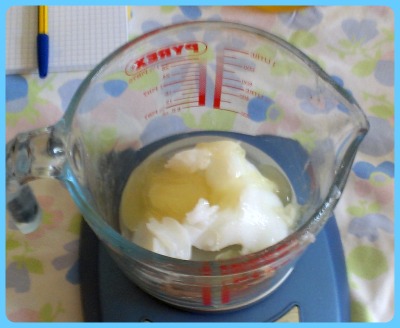
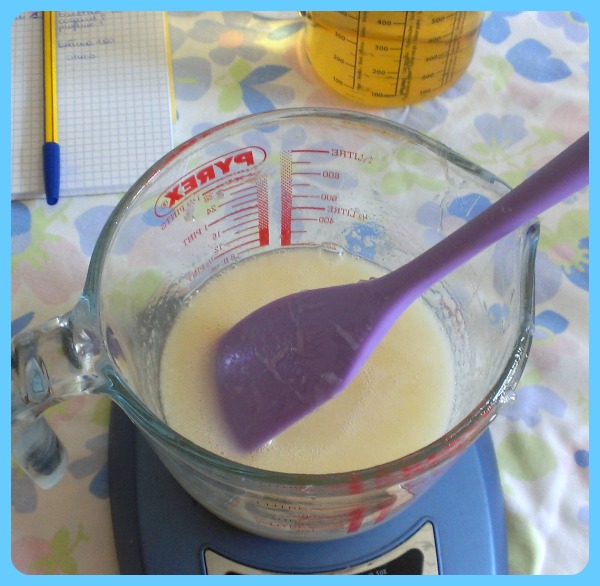
- The Melting Challenge: Melting pure powder surfactants is an arduous process. I’ve documented that the water content in the Cocamidopropyl Betaine (Phase A) acts as a necessary solvent to facilitate the transition to a paste.
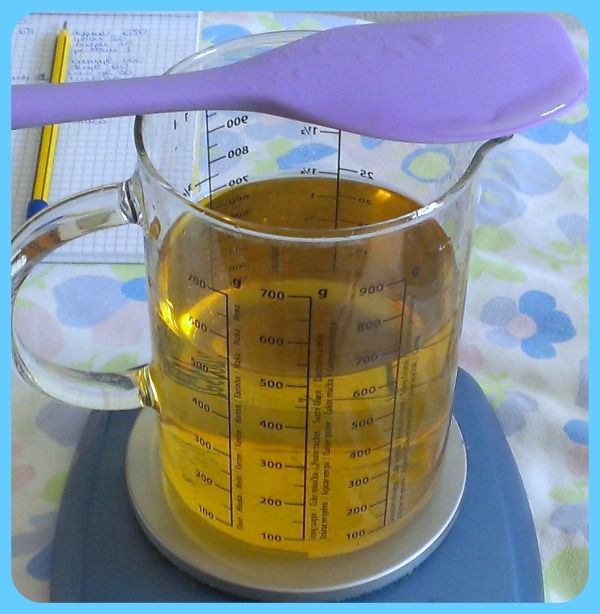
- Phase B Integration: I melted the butters, cationic conditioner, and cetearyl alcohol together. For future batches, I would recommend melting Phase B separately before adding it to the surfactant “cauldron” to ensure a smoother homogenization and a faster workflow.
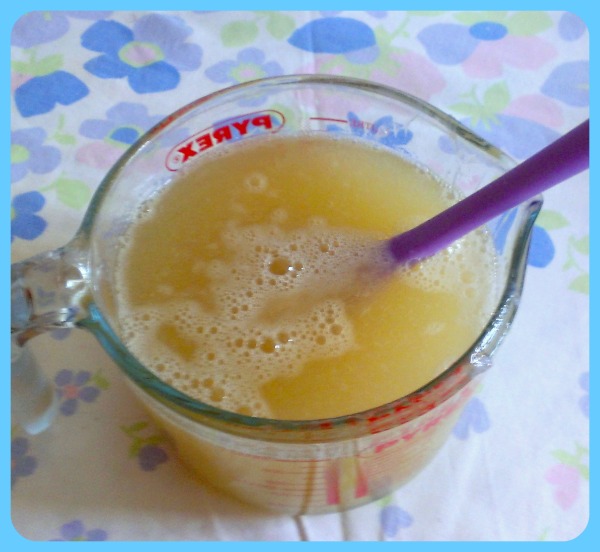
- Thermal Sensitivity: The “soapy paste” was allowed to cool to 35°C before integrating the fragrance and preservative to ensure their efficacy wasn’t compromised by the heat required to melt the SCI.
- Setting & Curing: I utilized a Freezer-Set method for quick unmolding. However, I’ve noted that a 48-hour “drying” or curing period is required at room temperature to allow the bar to reach its final structural hardness.
Researcher Summary & Sensory Evaluation
The final bar exhibited excellent “wetting” ability and produced a sophisticated, dense lather of small bubbles.
Critical Refinement: Despite the high surfactant load, the 10% lipid phase (butters/oils) resulted in a slightly “waxy” after-feel on the hair. In my next experimental iteration, I will reduce the total lipid load to 5-7% to increase the “cleansing clarity” of the formula while maintaining enough emollience to keep the bar mild.







 IT'S ALL IN MY HANDS