LAB NOTES & SAFETY NOTICE
For educational purposes only. Content reflects personal, non-professional formulation experiments and is not instructional.
No formula or information on this site is intended for commercial use, consumer application, or third-party use.
Accessing this content means you accept all risks and full responsibility for safety, testing, legal compliance, and outcomes.
[Full Legal Disclaimer & Safety Requirements]
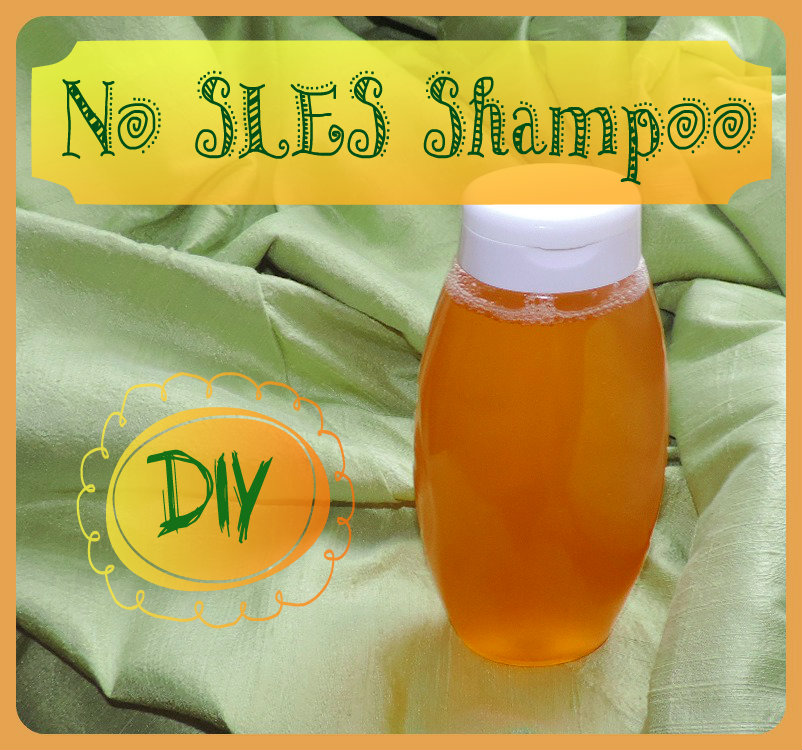
My “No-SLES” Gentle Shampoo Experiment
Hello Hello! :D
I wanted something that felt sophisticated and gentle—a recipe that treats the scalp like skin rather than just “hair ground.” yeheee! :D
While I do not hate SLES at all and I find that they can be useful in many ways, at the same time I am trying something different because sometimes my scalp gets itchy by the aggressivness that a commercial SLES shampoo can carry. SLES shampoos are sometimes formulated poorly (maybe for keeping the costs low) and can therefore be too aggressive.
Here I have decided to experiment with a NON-SLES shampoo, simply to see what’s out there and what can be done differently.
The “Gentle” Strategy:
Instead of the usual SLES, I decided to play with a combination of Sodium Lauroyl Sarcosinate and Glucosides. Sarcosinate is such a dream—it’s derived from an amino acid and it gives a beautiful, creamy foam without being a “bully” to the hair cuticle.
The Formula for my Experiment:
Phase A:
-
Water to 100
-
Glycerin 3
-
Polyquaternium-10 – 0.3 (I included this because it helps with the “combability”—no one likes bird-nest hair! :P)
Phase B (The Cleansing Blend):
-
Sodium Lauroyl Sarcosinate – 12
-
Cocamidopropyl Betaine – 8
-
Coco-Glucoside – 4
-
Lauryl Glucoside – 2 (This one is thick, so I had to be patient while mixing!)
Phase C:
-
Hydrolyzed Silk Proteins – 1 (For that “silk” touch I love!)
-
Panthenol – 0.5
-
Preservative (According to my lab’s setup)
-
Fragrance (I used a fresh, “Rain” scent—it feels so pure!)
-
Lactic Acid (To reach the “Golden pH” of 5.5)
Notes from my Beaker:
-
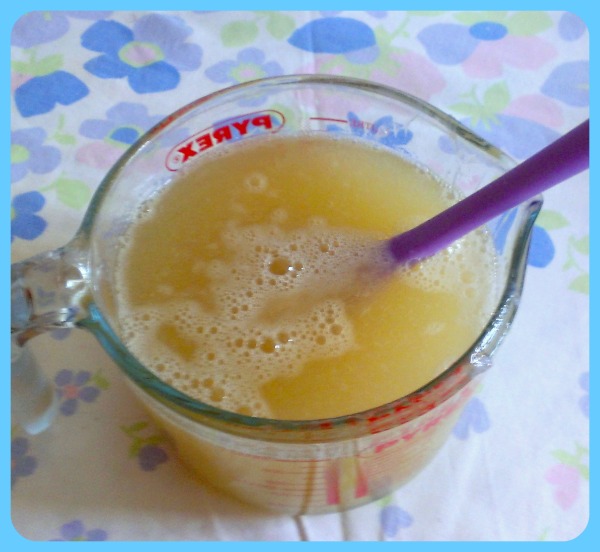
The Foam Surprise: I was actually worried that a No-SLES shampoo wouldn’t foam enough, but I was wrong! The Sarcosinate creates these tiny, dense bubbles that feel much more luxurious than the big, “air-filled” bubbles of cheap shampoos.
-
The pH is King: I was very careful to bring the pH down to 5.5. In my experience, this is the magic number for keeping the hair shiny and the scalp calm.
-
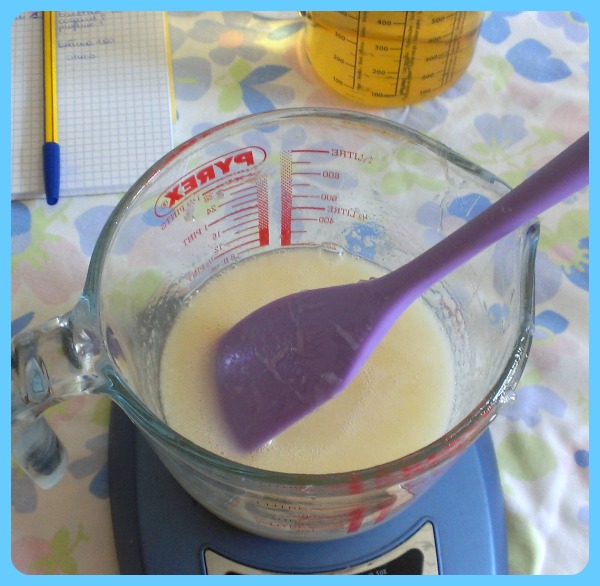
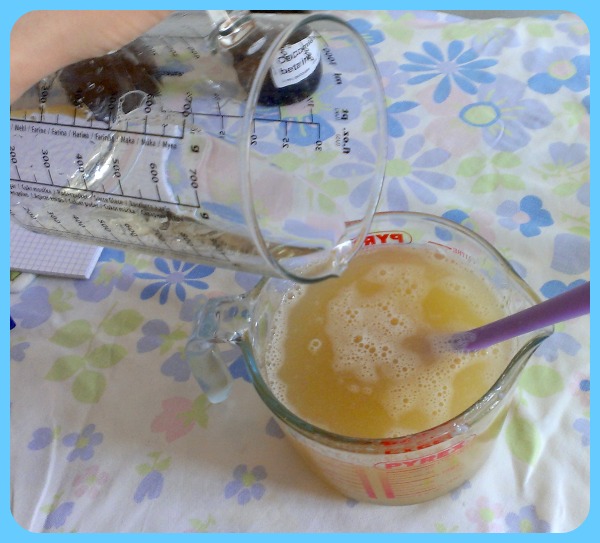
The Mixing Process: I mixed the surfactants together first before adding them to the water. I found that if I poured the water onto the surfactants, I ended up with way too many bubbles in the beaker. Slow and steady wins the race! :D
-
Scalp Feedback:
The most amazing thing happened when I checked the pH. I brought it down to 5.5 with Lactic Acid, and suddenly the texture became so beautiful and dense! I realized that you don’t need SLES to get a rich foam. The foam from the Sarcosinate is tiny and creamy—it feels like washing your hair with a cloud instead of a detergent.
I didn’t get any of that “squeaky” feeling that usually means the hair is dying for help. Instead, my scalp felt calm for the first time in weeks. It’s a huge win for me! However, to be fair, I don’t love the feeling in my hair, the wetting ability is not so good and so the search for the perfect shampoo is still open for me! Hope you enjoyed my experiments 😀
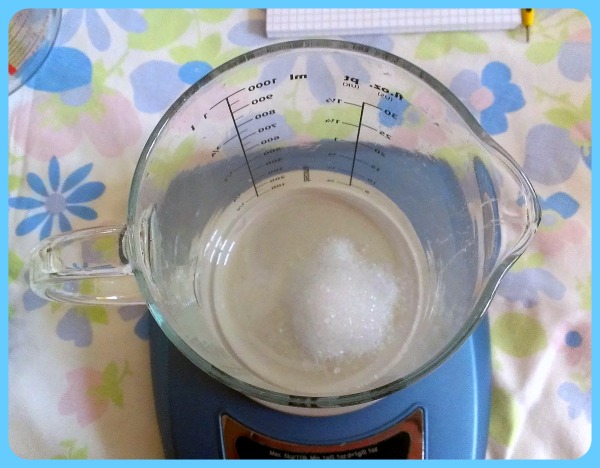
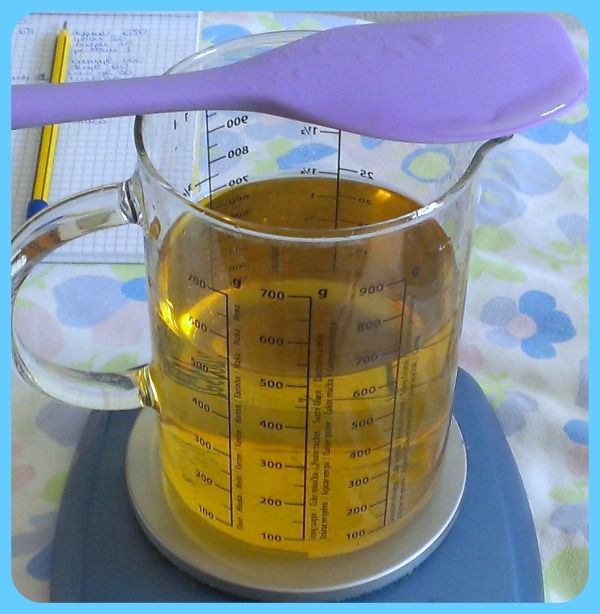
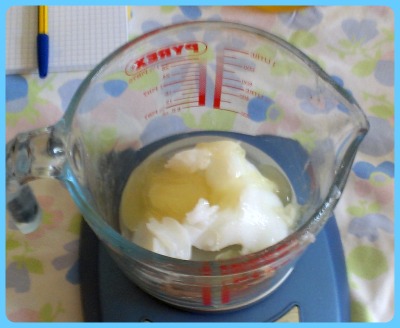

 IT'S ALL IN MY HANDS
Aahh. . I see. . Well hi! I think im gonna omit the cetrimonium chloride. . Im also searching for other thickener and just found Hydroxyl Ethyl Cellulose. I bet you must know this. . It is non ionic charge, i think i would change with the guar gum since the texture of my shampoo actually clumpy. . Do you think it still gonna be okay? Since it is non ionic. . Actually im still trying to understand about the ionic things😣 i look at other people using Hydroxyl Ethyl Cellulose turn out the texture look nice.
LikeLike
Hmmm it is not my favourite but it is a solution. You could also thicken using other surfactants that get thick together. A very foamy and good at thickening surf I am liking lately is sodium methyl cocoyl taurate (the salt in it helps thicken other surfactants and it is in paste form, which helps too).
LikeLike
Awww thank you! I ll try to check if i.can find it on my country .
LikeLiked by 1 person
Why so many glucosides mam.. Is it okay to have just one of them
LikeLike
Cause at the time this formula was made glucosides were the “best” ecocert approved.
Now there are better surfactants for the hair that are ecocert approved.
You CAN use a single glucoside, but I don’t really think it will make for a good shampoo.
LikeLike
Hi, love your blog, just found it!
What do you think of this surfactant system below? And how would I make it even more mild?
Coco Glucoside 5%
Decyl Glucoside 5%
SCI 1%
Glycerol Oleate 0.5%
I’m allergic to CAPB/CAP Hydroxysultaine so I’m leaving out those amphoterics.
LikeLike
Well it all depends what you want to obtain, but with surfactants more or less any combination could work, it all depends if it works for the product you are trying to achieve 😉
LikeLike