How to formulate a SERUM

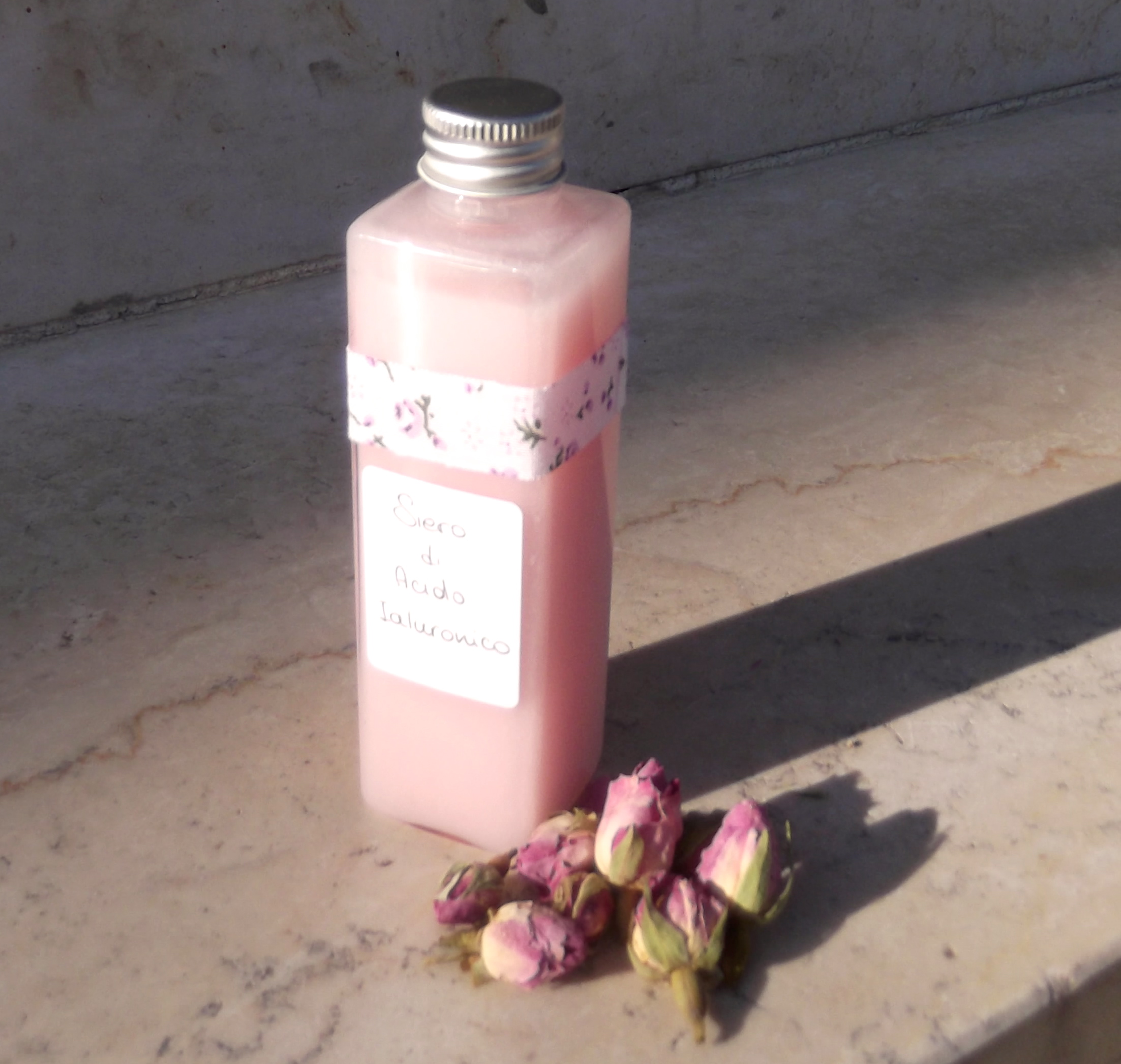
Hyaluronic Acid Serum

LAB NOTES & SAFETY NOTICE
These are personal experiments for educational use only— not instructions and not for commercial or consumer use. By proceeding, you assume all risks related to safety, testing, and regulatory compliance.
[Full Legal Disclaimer & Safety Requirements]

This post is a great way to show how formulation shifts when you move from “heavy” emulsions to “active-heavy” serums. In 2026, the trend is all about “minimalist science,” so framing this as your Technical Brief on Aqueous Systems is perfect.

Here is the “Studio” revamp, using the Lab Notes persona.


Lab Notes: Observations on Aqueous Systems & Serum Theory

In my formulation research, serums represent a distinct category of product design. While lotions are designed for barrier protection and emollience, serums are engineered as high-delivery systems for specific active components. Below are my documented observations on the characteristics and structural theory of these fluid systems.

Defining Characteristics of a Serum

In my lab records, I categorize a “Serum” based on these specific technical parameters:

  • Lipid Load: Systems are typically very light, with a total fat content often documented between 1.5% and 4%.

  • Viscosity ($\eta$): Serums are designed to be fluid or semi-fluid rather than high-viscosity creams.


  • Active Density: They are formulated to hold a higher concentration of “hero” ingredients.


  • Cold Process Theory: Because the lipid load is so low, many of my serum experiments are conducted at room temperature (Cold Process), preserving the integrity of heat-sensitive vitamins.

Theory Perspective: If a cream is the “protector” of the skin, a serum is the “booster.” Expecting a serum to provide the same occlusion as a rich cream is a common misconception in formulation theory; they serve different physiological goals.


Structural Phases in Serum Design

Phase A: The Aqueous Base

Phase A is the backbone of the serum. In my experiments, I focus heavily on the choice of Rheology Modifiers (gelling agents) to determine the “pick-up” and “after-feel” of the product.

  • Robustness: I prioritize gelling agents that can withstand high electrolyte (salt) loads from actives.

  • My Go-To Polymers: I often record the use of Xanthan Gum or Hydroxyethylcellulose (HEC). Note that HEC requires a thermal trigger to hydrate, which I account for in my processing notes if cold-sensitive actives are involved.

Phase B: The Targeted Lipid Phase

Even in a water-heavy system, a small lipid phase is often necessary to carry oil-soluble vitamins (like Vitamin E/Tocopherol).

  • Solubilization vs. Emulsification: In my lab, when the oil phase is under 2%, I often experiment with solubilizers (surfactant-based materials) rather than traditional waxes. This allows the final system to remain translucent and liquid.

  • Cold Emulsifiers: For serums, I frequently document the use of liquid, room-temperature emulsifiers to maintain a “Cold Process” workflow.

Phase C: The Active Integration

In serum theory, the line between Phase A and Phase C is often blurred. Since many serums are cold-processed, I can incorporate the actives directly into the water phase from the start.

Hyaluronic Acid: The Dual-Purpose Ingredient

I’ve found that Sodium Hyaluronate is a fascinating case study in serum design. It acts simultaneously as a high-performance active and a gelling agent. In my records, I’ve noted that a high-molecular-weight Hyaluronic Acid can create a complete serum structure on its own, requiring nothing more than water and a preservative.


Concluding Thoughts on Serum Strategy

Designing a serum is an exercise in precision. Because the formula is so “exposed” (lacking the heavy waxes of a cream), every ingredient must be perfectly balanced to avoid tackiness or instability. I find these systems to be the ultimate test of an active ingredient’s compatibility with a base.

What’s next in the lab?

I am currently reviewing my notes on Niacinamide stability within these aqueous systems. If you have specific observations on pH-sensitive actives in serums, I’d love to compare data!

Anti-puffiness Caffeine Eye cream – Recipe

DSCF3492

LAB NOTES & SAFETY NOTICE
These are personal experiments for educational use only— not instructions and not for commercial or consumer use. By proceeding, you assume all risks related to safety, testing, and regulatory compliance.
[Full Legal Disclaimer & Safety Requirements]

Lab Note: Caffeine & Ceramide Eye Cream

Hello Hello! :D The skin around our eyes is the thinnest and most delicate on our entire face. For this formula, the “Prince Ingredient” is Caffeine, which I’ve used for its famous stimulating and de-puffing properties.

I wanted this cream to feel light but also “substantial,” so I designed a grease-fall with a bit more butter (Avocado and Shea). This gives it a slightly thicker, more protective feeling while keeping all the fat densities balanced! yeheee!

The Formula: Eye Nutrition

Phase A (The Active Base):

  • Water: to 100
  • Fleur-de-lis Hydrolat: 10.0 (Soothing floral water)
  • Glycerin: 3.0
  • Xanthan Gum: 0.1 / Carbopol Ultrez 21: 0.3
  • Caffeine: 2.0 (The “De-puffer”)

Phase B (The Butters & Oils):

  • Methyl Glucose Sesquistearate: 3.0 (Emulsifier)
  • Cetyl Alcohol / Cetyl Palmitate: 1.0 / 0.5 (Thickeners)
  • Avocado Butter: 1.0 / Shea Butter: 2.0
  • Tocopherol (Vitamin E): 1.0
  • Argan / Evening Primrose / Jojoba Oil: 1.0 each

Phase C (The Cold Additions):

  • Oily Part: Rose Hip Oil (1.0), Bisabolol (0.5), Mixed Ceramide Complex (2.0)
  • Water Part: Allantoin (0.5), Hydrolyzed Oat Protein (2.0), Blueberry Dry Extract (0.5), Hyaluronic Acid Solution 1% (3.0)
  • Preservative: 1.0
  • Fragrance: 2-3 drops

Notes from my Beaker:

  1. The Allantoin Melt: As I always say, Allantoin can be temperamental and leave “grit” in your cream if you aren’t careful. I ensured it was completely “melted” into the hydrolyzed oat proteins before adding it to the cool cream.
  2. Heat Management: I kept the Rose Hip Oil for Phase C because it is quite sensitive to heat. Adding it at room temperature keeps its properties intact!
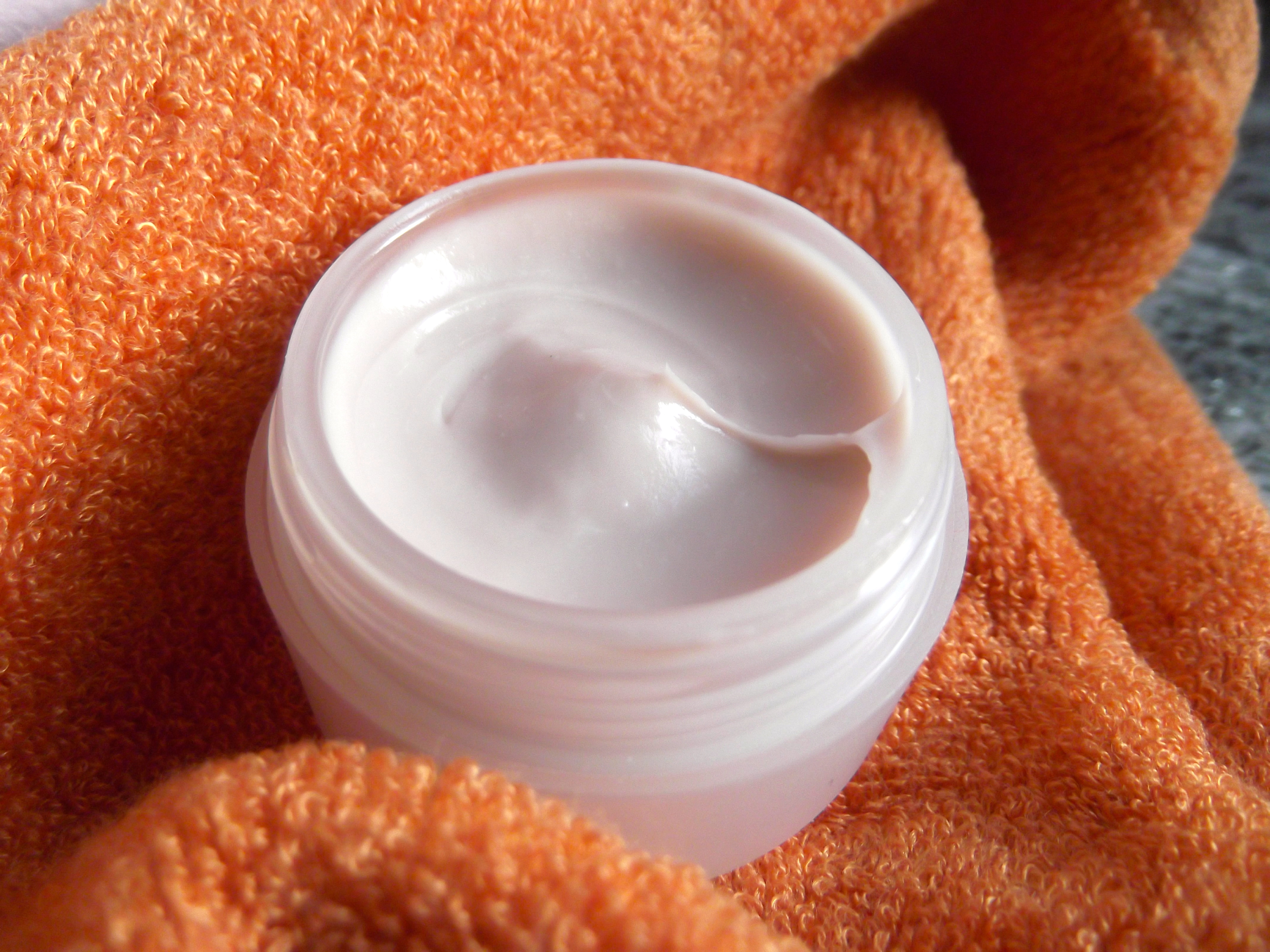
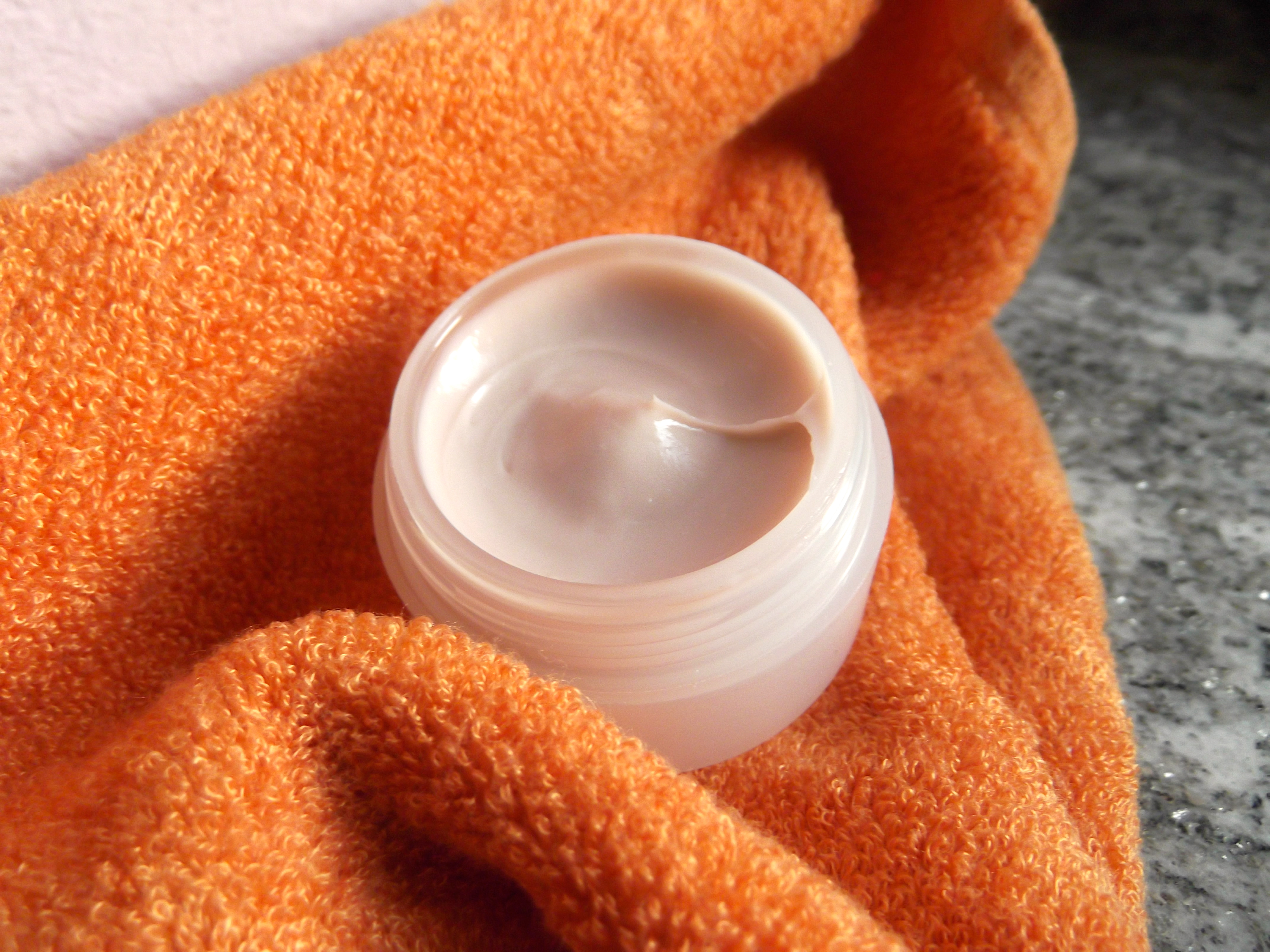
  3. The Color: The Blueberry Extract is a powder that gives the cream a lovely, soft color (as you can see in the photos!).
  4. Emulsification: I heated A and B to 70°C, poured B into A, and used the immersion mixer until it was a perfect white. Then, the long stir (30 mins!) with a spatula until cool.
  5. The Texture Trick: After adding all of Phase C and the preservative, I used the immersion mixer one last time. This really improved the final texture and made it look professional!
  6. pH Check: For this eye cream, I aimed for a pH of 6.5.

Final Verdict: This cream feels incredibly nourishing. It’s the perfect follow-up to a morning eye serum, providing that barrier of ceramides and butters that keeps the eye area looking rested and hydrated all day long. ENJOY! 😀

DSCF3493


How to make foot & hand cream: formulating!

LAB NOTES & SAFETY NOTICE
These are personal experiments for educational use only— not instructions and not for commercial or consumer use. By proceeding, you assume all risks related to safety, testing, and regulatory compliance.
[Full Legal Disclaimer & Safety Requirements]

DSCF3497

Formulating a Protective Barrier Cream (Hands & Feet)

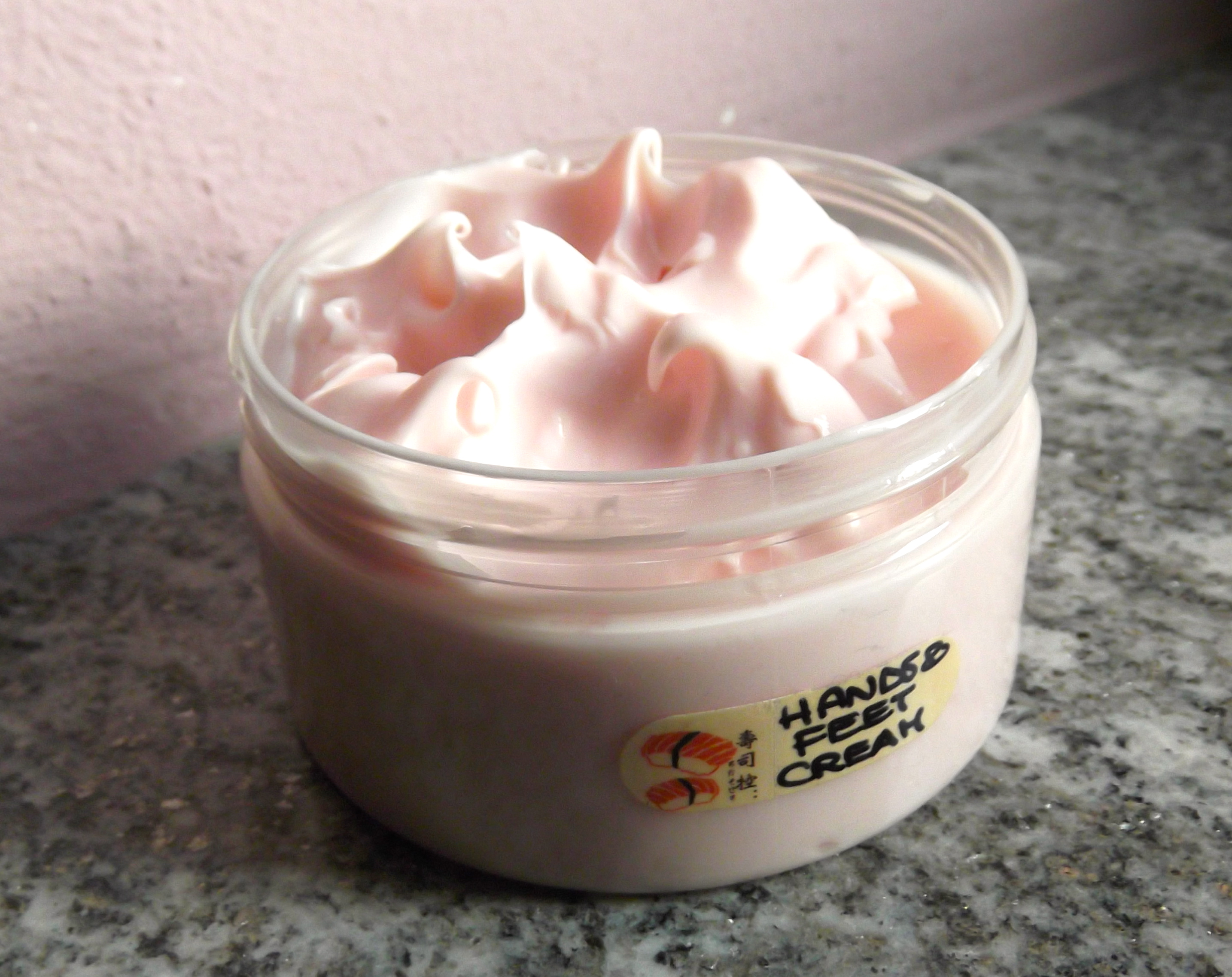
In this experimental batch, I am documenting the creation of a high-lipid barrier cream designed for hands and feet. These areas require a specific “Heavy Emollient” profile—thick, protective, and highly hydrating. My goal was to achieve a 25% lipid load while maintaining a stable, professional texture.

Phase A: Rheology and Electrolyte Stability

In my lab notes, the choice of gelling agent for this formula was dictated by the active ingredients in Phase C.

  • Distilled Water: to 100

  • Glycerin: 4.0% (Increased humectant levels for extreme dryness).

  • Xanthan Gum: 0.5% Technical Observation: I opted for a relatively high percentage of Xanthan Gum as the sole stabilizer. I purposely avoided Carbomer polymers because the high concentration of Urea (an electrolyte) in Phase C would compromise the carbomer’s lattice, leading to viscosity loss.

Phase B: The Heavy “Grease-Fall” and Protective Waxes

For a hand/foot treatment, the lipid profile shifts toward the “heavy” end of the Gaussian distribution.

  • The Lipid Cascade: I prioritized hard butters (Cocoa and Shea) to provide structure and occlusion.

  • The Role of Waxes: I’ve introduced Jojoba Wax at 2%. Waxes are not strictly part of the “Grease-Fall” fluidity; instead, they function as film-formers, providing a protective “glove” effect against environmental stressors.

Experimental Oil Phase (25% total fats):

  • Jojoba Wax: 2.0%

  • Cocoa Butter: 5.0%

  • Shea Butter: 10.0%

  • Argan Oil: 5.0%

  • Grape Seed Oil: 5.0%

Phase C: Managing Urea and pH Stability

Phase C contains the “Hero” ingredients, but they require careful chemical management.

  • Urea (10%): A potent humectant known for its water-binding and keratolytic (exfoliating) properties.

  • Gluconolactone (2%): In my research, Urea is known to cause a pH drift (becoming more alkaline over time). To counter this, I’ve included Gluconolactone as a buffering/sequestering agent to maintain pH stability.

  • Texture Modifier: I added Aluminum Starch Octenylsuccinate (1%) to mitigate the greasiness of the 25% fat load, resulting in a matte, “velvet” after-feel.


My Batch Processing Workflow

  1. Hydration: I dispersed the Xanthan Gum in Glycerin before adding the water (setting aside 15g for the urea solution).

  2. Thermal Phase: Both Phase A and Phase B were heated to 70°C.

  3. Emulsification: Phase B was incorporated into Phase A in three stages using an immersion mixer.

  4. Urea Integration: Once the emulsion cooled to room temperature, I dissolved the Urea and Gluconolactone in the reserved 15g of water and integrated this into the base.

  5. Final Finish: I added the preservative, essential oils (Grapefruit and Mint), and a touch of food-grade coloring for aesthetic appeal.

Final QC Check: The pH was measured and found to be stable between 5.5 and 6.0.

How to: Hyaluronic Acid gel

LAB NOTES & SAFETY NOTICE
For educational purposes only. Content reflects personal, non-professional formulation experiments and is not instructional.
No formula or information on this site is intended for commercial use, consumer application, or third-party use.
Accessing this content means you accept all risks and full responsibility for safety, testing, legal compliance, and outcomes.
[Full Legal Disclaimer & Safety Requirements]

Hyaluronic Acid Gel

My Experience: Preparing Hyaluronic Acid Gel (1% Solution)

Hello Hello! 😀 One of the things I use most in my experiments is Hyaluronic Acid Gel. I’m obsessed with its ability to keep the skin hydrated—after all, it’s a substance naturally found in our own skin!

While I don’t believe in “miracle” anti-aging claims (commercials, right? 😉 ), I do notice that keeping the skin hydrated makes it look so much more plump and fresh. Here is how I’ve been preparing my 1% “stock” solution lately.

The “Experimental” Formula

In my lab, I usually aim for a clean 1% concentration. For a 100g batch, I use:

  • 1g Sodium Hyaluronate

  • 98.4g Distilled Water (Or sometimes Rose Water for that luxurious scent!)

  • 0.6g Cosgard (or whatever preservative my experiment requires)

How I do it (The 2026 Safe Method! :D)

Over the years, I’ve refined how I handle this. Sodium Hyaluronate is precious (and not exactly cheap!), so I want to avoid wasting a single grain.

  1. Safety First: In my experiments, I always add the preservative to the water FIRST. I’ve learned that protecting the water from the very start is much safer than waiting until the end.

  2. The “No-Stir” Layer: I gently sprinkle the powder on top of the preserved water. PHEW! I make sure NOT to stir yet. If I stir now, the powder sticks to my spoon in a stubborn clump and it’s all lost!

  3. The Wait: I cover the beaker and let it rest for a few hours (or overnight). The powder hydrates all by itself.

  4. The Finish: Once it’s fully hydrated into a beautiful gel, I give it a final, slow stir to make it perfectly smooth.

This is exactly why I started making my own cosmetics: I wanted to stop believing the commercials and see the real INCI for myself. It makes me feel like IT’S ALL IN MY HANDS! 😉Hyaluronic Acid Gel 3 Hyaluronic Acid Gel 2